2026 Car Buying: How to Navigate High Prices and Value
Navigating the 2026 car market requires strategy. Learn how to find value, manage high prices, and secure the right vehicle for your family without the stress.
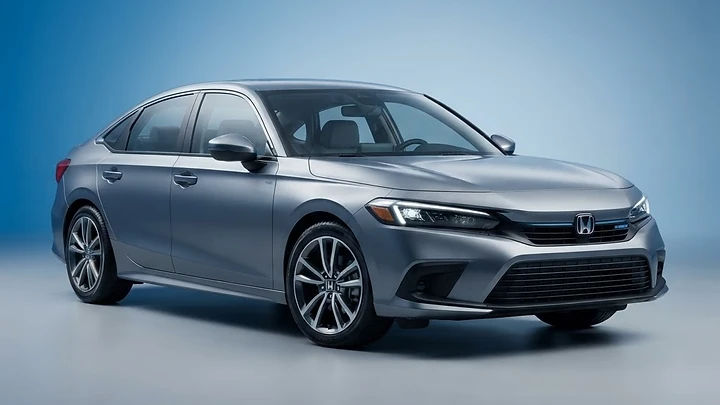
There is a quiet magic in the first morning you pull your new vehicle out of the driveway, the engine humming with potential as the sun hits the hood. It represents more than just metal and glass; it is the vessel for your family’s next chapter, the reliable partner for long road trips, and the engineering marvel that keeps your loved ones safe. Yet, in 2026, the path to that driveway feels more complex than ever. With average new car prices hovering near $52,000, many buyers feel the weight of affordability pressures before they even step onto a lot. But here is the honest truth: opportunity still exists for the informed buyer who knows how to look past the sticker price.
Understanding the 2026 Market Reality The automotive landscape has shifted significantly.
We are no longer in a world where you can simply walk in and expect a massive discount on every model. Today, inventory is more plentiful, but pricing remains elevated due to advanced technology and manufacturing costs. Data shows that while new vehicle prices have climbed, demand remains resilient because buyers are adapting. Instead of delaying purchases, savvy families are pivoting toward efficient hybrids and reliable, high-mileage used vehicles that offer better long-term value. The key is to stop viewing the car as a static expense and start viewing it as a financial asset that must serve your specific lifestyle needs. 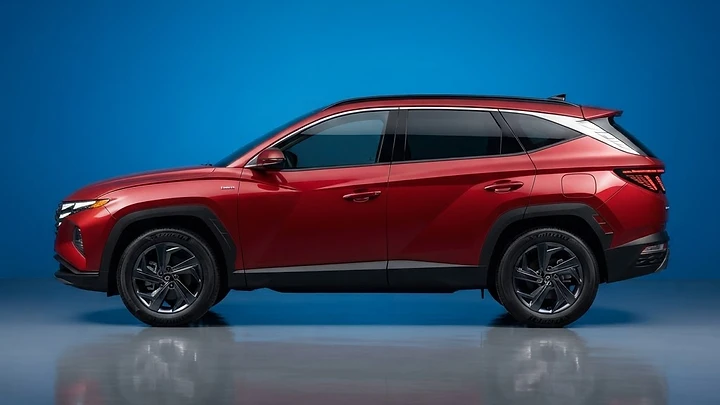
Why Hybrids Are the Smart Choice for Families If you are looking for the perfect balance of efficiency and utility, the 2026 hybrid market is your best friend.
Models like the 2026 Honda Civic Hybrid and the 2026 Hyundai Tucson Hybrid are dominating because they solve the two biggest pain points for modern families: fuel costs and range anxiety. You get the benefit of electric-assisted torque and impressive MPG without the need to install a home charger or worry about finding a station on a long trip. These vehicles hold their value exceptionally well, making them a safer bet for your wallet over a five-to-seven-year ownership cycle. 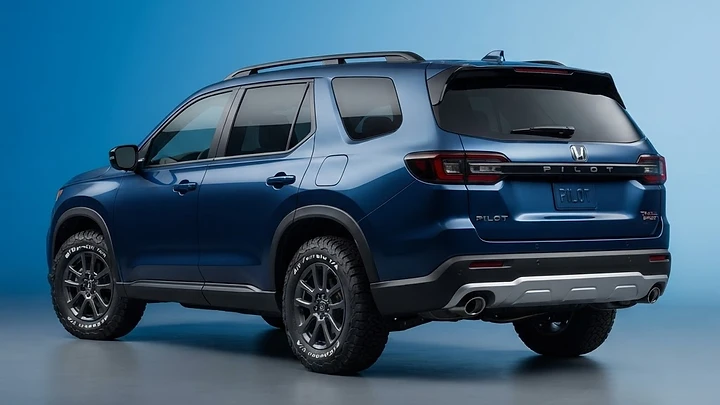

Timing Your Purchase for Maximum Savings While the market is complex, timing still plays a role in your success.
Dealerships operate on annual sales targets, and the end of the year remains a prime window for negotiating on outgoing model-year inventory. If you are willing to drive a vehicle that is technically a year older but brand new on the lot, you can often secure significant incentives or lower APR financing. Always remember that a car is a product choice as much as a financial one; don't let the pressure of a "limited-time offer" force you into a vehicle that doesn't fit your family's space or safety requirements. 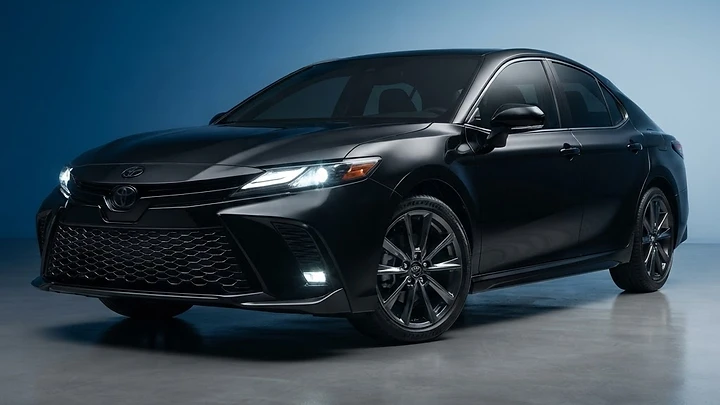

The Power of Pre-Arranged Financing One of the most effective ways to maintain control during the buying process is to walk in with your own financing.
When you secure a loan through a credit union or your bank before visiting the dealership, you remove the "monthly payment" shell game that often happens in the finance office. This transparency allows you to focus entirely on the "out-the-door" price of the vehicle. By separating the price of the car from the cost of the loan, you ensure that you aren't paying hidden fees or inflated interest rates that can turn a good deal into a bad one. 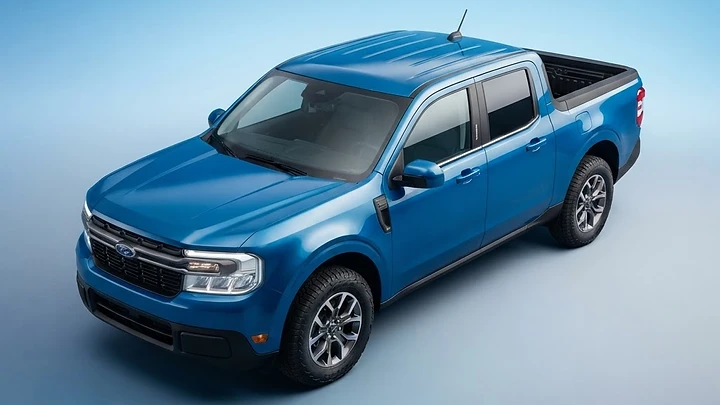

Frequently Asked Questions
Are car prices going to drop in 2026?
While some segments are seeing price softening, significant drops are unlikely. Instead, look for value through manufacturer incentives and lower-interest financing programs on specific models.
Is it better to buy new or used right now?
If you need a reliable daily driver, late-model used vehicles offer great value. However, if you want the latest safety tech and a full warranty, new hybrids currently offer the best long-term cost-of-ownership.
How do I avoid dealership pressure?
The best defense is preparation. Research the fair market value of the car online, secure your own financing, and be ready to walk away if the final numbers don't match your budget.
What is the most important factor for family cars?
Safety and space are paramount. Prioritize vehicles with high crash-test ratings and enough rear-seat room for your specific car seat configurations.
The Bottom Line Buying a car in 2026 is about precision.
Focus on high-efficiency hybrids, secure your financing before you visit a dealer, and prioritize long-term reliability over short-term trends. By staying disciplined and informed, you can find a vehicle that brings joy to your daily drive without compromising your financial future.
The cars in this story
The real price and honest verdict on each one
- 2026 Hyundai TucsonCompact SUV · from $29,450
- 2026 Ford MaverickCompact Pickup · from $28,145
- 2026 Toyota CamryMid-Size Sedan · from $28,850
- 2026 Honda PilotMid-Size SUV · from $42,195
More car news

Smart Car Buying: Navigating the 2026 Market With Confidence
Buying a car in 2026? Discover how to navigate high prices, find hidden value, and secure the best deal with our honest, transparent buyer's guide.

Are Extended Car Warranties Worth It? The 2026 Honest Guide
Considering an extended car warranty? We break down the real costs, coverage gaps, and whether these service contracts actually protect your wallet in 2026.

Minivan vs. SUV: The 2026 Honest Family Buyer’s Guide
Choosing between a minivan and a three-row SUV in 2026? We break down the real-world differences in space, fuel economy, and family utility to help you decide.