Smart Family Car Buying: How to Find Value in 2026
Navigating the 2026 car market requires a clear strategy. Learn how to balance safety, space, and budget to find the perfect family vehicle without the stress.
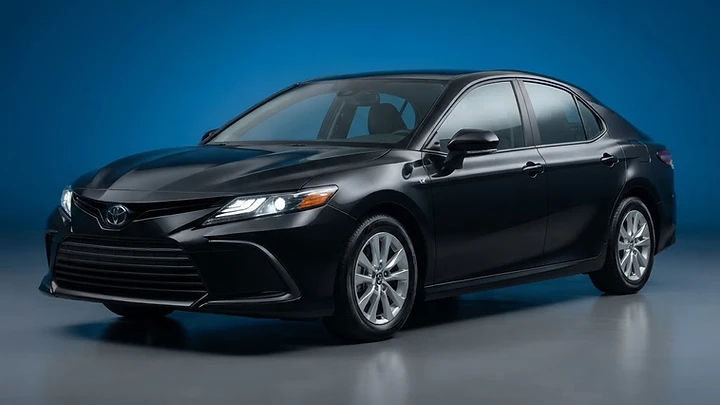
There is a quiet magic in the morning school run—the soft hum of the engine, the way the sunlight catches the dashboard, and the shared anticipation of the day ahead. For many American families, the vehicle parked in the driveway is more than just metal and glass; it is the vessel for road trips, soccer practices, and the small, fleeting moments that define childhood. In 2026, however, the path to finding that perfect family hauler feels more complex than ever. With average new car prices hovering near $49,461, finding a vehicle that balances your family's needs with your financial reality requires a blend of patience, research, and a refusal to be pressured by dealership tactics.
Understanding the 2026 Market Landscape The automotive market this year is a tale of two segments.
On one hand, we see a surge in high-tech, premium-priced SUVs that promise the moon. On the other, there is a growing movement toward value-focused, practical transportation that prioritizes longevity and fuel efficiency. As a buyer, your greatest asset is understanding that you do not need to overextend your budget to secure a safe, reliable ride. Whether you are looking at the 2026 Toyota Camry for its legendary reliability or considering a pre-owned three-row SUV to maximize your dollar, the goal is to focus on total cost of ownership rather than just the monthly payment. 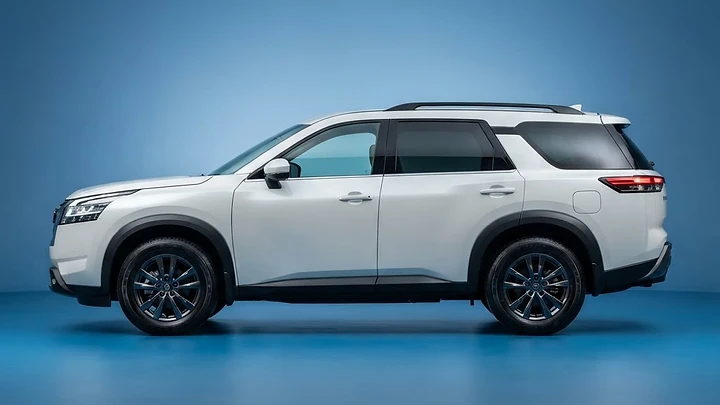
Prioritizing Safety and Space Without the Premium Price Tag When shopping for a family vehicle, safety tech is often marketed as a luxury, but in 2026, it should be considered a baseline requirement.
Look for models that include standard blind-spot monitoring, automatic emergency braking, and rear-seat occupant alerts. Vehicles like the 2026 Nissan Pathfinder offer a compelling mix of these features at a price point that respects a family budget. Remember, a car that is 'loaded' with features you never use is simply a more expensive car to maintain. Focus on the essentials: car seat compatibility, ease of entry for children, and cargo space that can actually handle a weekend's worth of gear. 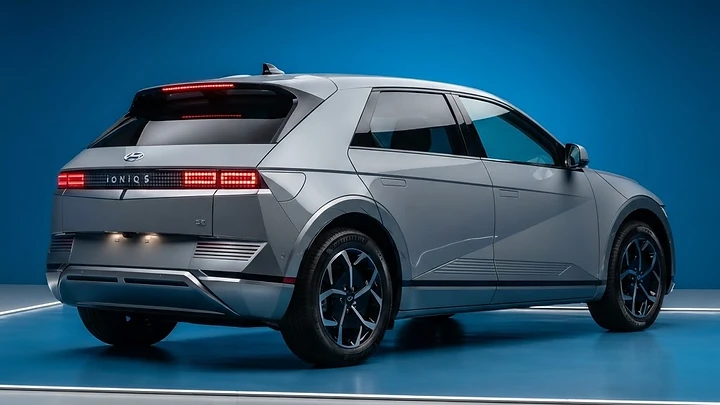

The New vs.
Used Dilemma: Making the Right Call With interest rates remaining a significant factor, the decision between new and used has never been more critical. A new vehicle offers the peace of mind of a full factory warranty and the latest safety advancements, but a gently used model—perhaps two or three years old—can save you thousands of dollars in depreciation. If you are aiming to keep your purchase under $35,000, the used market is your best friend. It allows you to step into a higher trim level or a larger vehicle class that might be out of reach if you were buying brand new. 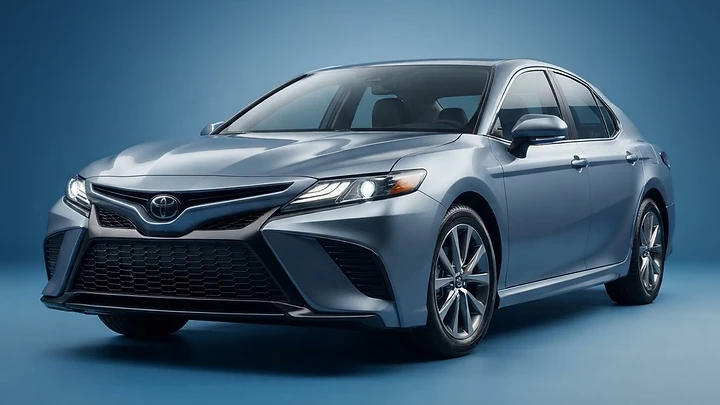

Navigating Dealerships with Transparency The most important tool in your arsenal is your ability to walk away.
Dealership pressure is designed to make you feel like the 'deal of a lifetime' is slipping through your fingers. In reality, there is always another car, another dealer, and another opportunity. Before you step onto a lot, have your financing pre-approved by a local credit union or bank. This turns you into a 'cash buyer' in the eyes of the dealer, simplifying the negotiation process and preventing hidden fees from being buried in the fine print of a long-term loan. 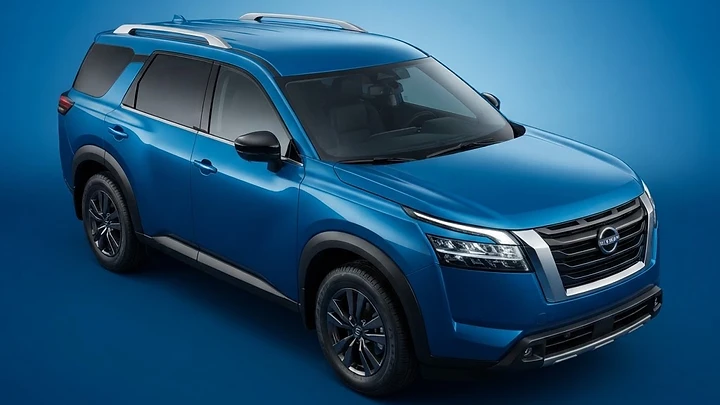

Frequently Asked Questions
Is it better to buy a hybrid or a gas-powered car for a family?
Hybrids are currently the most popular choice for families because they offer lower total cost of ownership and excellent fuel efficiency, which adds up significantly over years of school runs and road trips.
What is the best way to check if a car seat fits?
Always bring your car seats with you to the dealership. A vehicle might have great specs on paper, but the actual geometry of the rear seat and the placement of LATCH anchors can vary wildly.
Should I worry about EV battery health in a used car?
While battery technology has improved, it is wise to ask for a battery health report if you are buying a used electric vehicle. Most modern EVs have robust management systems, but transparency is key to long-term peace of mind.
How much should I expect to pay for a reliable family SUV?
While prices vary, you can find excellent, reliable family SUVs in the $30,000 to $40,000 range. If your budget is tighter, looking at 2-3 year old models can provide significant value without sacrificing safety.
The Bottom Line The best family car is the one that fits your life, not the one that fits a marketing brochure.
Prioritize safety, calculate your true budget including insurance and maintenance, and don't be afraid to look at the used market to maximize your value. By staying disciplined and informed, you can find a vehicle that serves your family faithfully for years to come.
The cars in this story
The real price and honest verdict on each one
Every model, side by sideMore car news

Car Subscription vs. Buying: The 2026 Honest Buyer’s Guide
Is a car subscription better than buying or leasing in 2026? We break down the real costs, flexibility, and ownership trade-offs for your family lifestyle.

Minivan vs. SUV: The 2026 Honest Family Buyer’s Guide
Choosing between a minivan and a three-row SUV in 2026? We break down the real-world differences in space, fuel economy, and family utility to help you decide.

Subcompact vs Compact SUV: The 2026 Honest Buyer’s Guide
Choosing between a subcompact and compact SUV in 2026? We break down the real-world differences in space, fuel economy, and value to help you decide.