Smart Family Car Buying: How to Find Value in 2026
Navigate the 2026 car market with confidence. Discover how to find reliable, high-value family vehicles while avoiding hidden fees and dealership pressure.
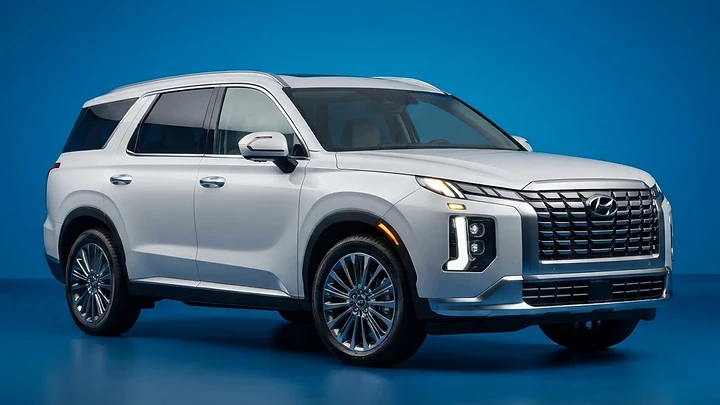
There is a singular, quiet magic in the early morning light hitting the hood of a new car, a promise of miles yet to be traveled and memories waiting to be made. For the American family, a vehicle is more than just steel and glass; it is the vessel for school runs, cross-country road trips, and the sanctuary where you navigate the complexities of daily life. In 2026, the landscape of car buying has shifted, with average payments reaching record highs and the market flooded with complex tech. Finding the right vehicle requires more than just a test drive; it demands a strategy rooted in transparency and long-term value. Whether you are eyeing a versatile three-row SUV or a fuel-sipping hybrid, your goal is to secure a machine that serves your family without compromising your financial future.
Understanding the 2026 Market Reality The current automotive climate is defined by a push toward electrification and advanced driver-assistance systems (ADAS), but the core needs of a family remain unchanged: safety, reliability, and space.
With the average new car price hovering near $45,915, the pressure to overspend is immense. However, savvy buyers are finding that the best value often lies in the 'sweet spot' of mid-trim levels. These trims typically offer the essential safety tech—like blind-spot monitoring and automatic emergency braking—without the inflated cost of luxury-grade infotainment or premium audio systems that depreciate rapidly. When you walk into a dealership, remember that your research is your greatest leverage. 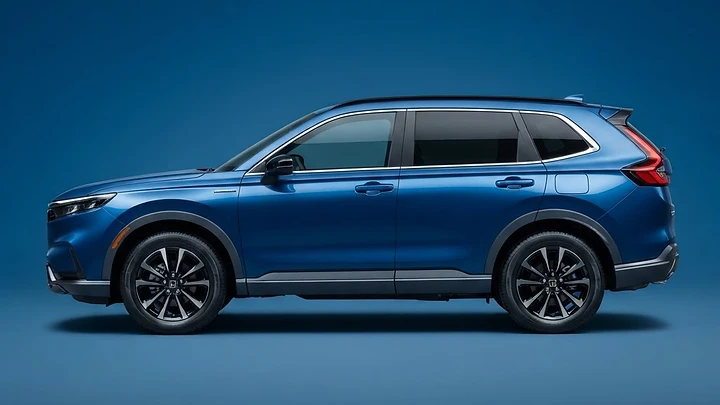
Prioritizing Long-Term Ownership Costs When evaluating a potential purchase, look beyond the sticker price.
A vehicle's true cost is measured over five to seven years. This includes fuel efficiency, insurance premiums, and, crucially, maintenance schedules. For instance, the 2026 Hyundai Palisade has gained traction for its blend of space and available hybrid efficiency, offering a compelling alternative to traditional gas-only haulers. Similarly, the Honda CR-V remains a benchmark for reliability, holding its resale value better than most competitors. By choosing models with proven track records, you protect your investment against the inevitable wear and tear of family life. 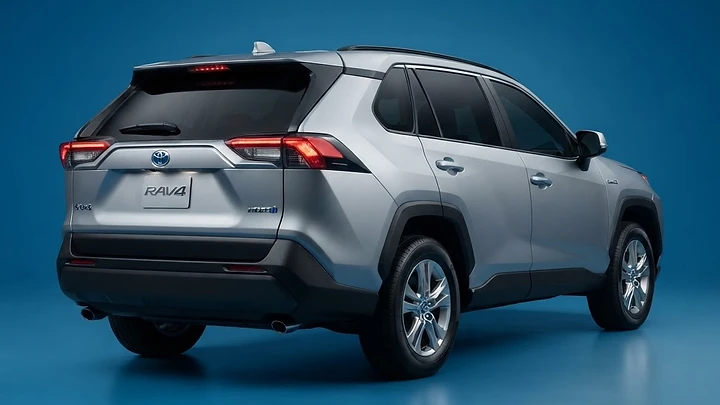

The Hybrid Advantage for Families If your daily routine involves significant city driving or school drop-offs, the 2026 hybrid market offers a tangible path to savings.
Hybrids are no longer just niche eco-vehicles; they are now the backbone of efficient family transport. Models like the Toyota RAV4 Hybrid provide an excellent balance of all-weather capability and impressive MPG, effectively lowering your monthly operating costs. While the upfront premium for a hybrid can be higher, the reduction in fuel consumption often pays for itself within the first few years of ownership, especially as gas prices remain volatile. 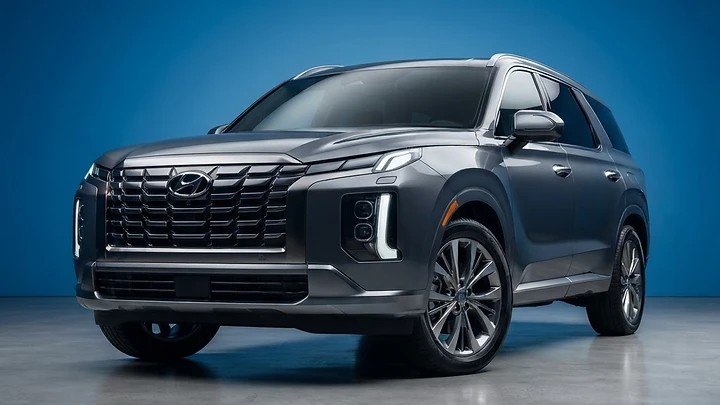

Navigating the Dealership Experience The most important tool in your arsenal is the ability to walk away.
Dealerships often rely on 'monthly payment' focus to hide the true cost of a vehicle, including high-interest financing or unnecessary add-ons like paint protection or extended warranties that you may not need. Always negotiate the 'out-the-door' price, which includes all taxes, title, and registration fees. If a dealer refuses to provide a transparent breakdown, take your business elsewhere. In 2026, digital tools and direct-to-consumer options are making it easier than ever to compare prices across multiple regions, ensuring you aren't tethered to the first lot you visit. 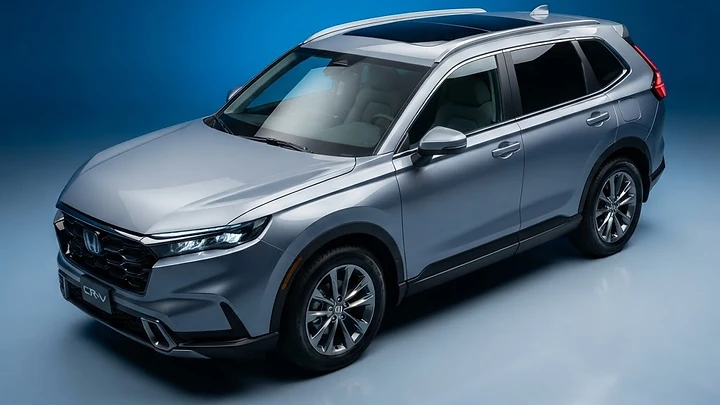

Frequently Asked Questions How can I tell if a car is a good value? A good value is defined by a balance of low depreciation, high reliability ratings, and standard safety features that meet your family's specific needs. Should I buy a hybrid or a gas car in 2026? If you drive more than 12,000 miles a year, a hybrid will likely save you money on fuel, but calculate the 'break-even' point based on your local gas prices. What is the most important safety feature to look for? Look for a full suite of ADAS, including forward-collision warning, lane-keeping assist, and rear cross-traffic alert, which are now standard on many top-rated family vehicles. Is it better to lease or buy? Buying is generally better for long-term value, while leasing is only advantageous if you prefer driving a new car every three years and don't mind the lack of equity.
The Bottom Line Finding the right family car in 2026 is about filtering out the noise.
Focus on vehicles with high safety scores, proven reliability, and features that genuinely improve your daily drive. Don't be swayed by the latest 'gimmick' tech; instead, prioritize the fundamentals. By staying disciplined with your budget and demanding transparency, you can drive away in a vehicle that provides both peace of mind and years of reliable service.
The cars in this story
The real price and honest verdict on each one
- 2026 Honda CR-VCompact SUV · from $30,920
- 2026 Toyota RAV4Compact SUV · from $31,900
- 2026 Hyundai PalisadeMid-Size SUV · from $39,435
More car news

Are Extended Car Warranties Worth It? The 2026 Honest Guide
Considering an extended car warranty? We break down the real costs, coverage gaps, and whether these service contracts actually protect your wallet in 2026.

Minivan vs. SUV: The 2026 Honest Family Buyer’s Guide
Choosing between a minivan and a three-row SUV in 2026? We break down the real-world differences in space, fuel economy, and family utility to help you decide.

Car Subscription vs. Buying: The 2026 Honest Buyer’s Guide
Is a car subscription better than buying or leasing in 2026? We break down the real costs, flexibility, and ownership trade-offs for your family lifestyle.