Software-Defined Vehicles: The 2026 Car Buying Revolution
Are software-defined vehicles worth the hype? Discover how 2026 car tech is changing ownership, performance, and your long-term investment strategy.
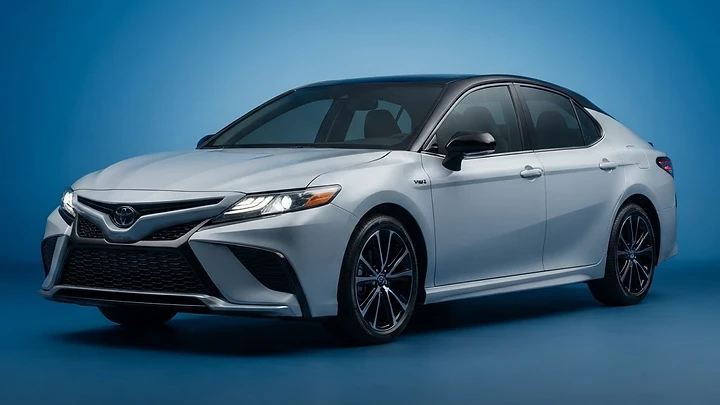
Imagine stepping into your driveway on a crisp morning, the air still and silent, as your vehicle greets you with a personalized light sequence that feels less like a machine and more like a companion. This isn't science fiction; it is the reality of the 2026 software-defined vehicle (SDV). As we navigate the evolving landscape of automotive innovation, the shift from mechanical hardware to digital intelligence is fundamentally changing what it means to own a car. For the modern American buyer, this transition offers unprecedented customization, but it also demands a new level of scrutiny regarding long-term value and data privacy.
The Rise of the Digital Chassis In 2026, the most important spec sheet isn't just about horsepower or torque; it is about processing power and update frequency.
Manufacturers like Toyota and Hyundai are now treating vehicles as rolling computers, where the driving experience is dictated by lines of code rather than just gear ratios. A 2026 Toyota Camry, for instance, now utilizes over-the-air (OTA) updates to refine its hybrid powertrain efficiency and infotainment interface long after it leaves the showroom floor. This means your car can theoretically get better with age, provided the manufacturer remains committed to software support. 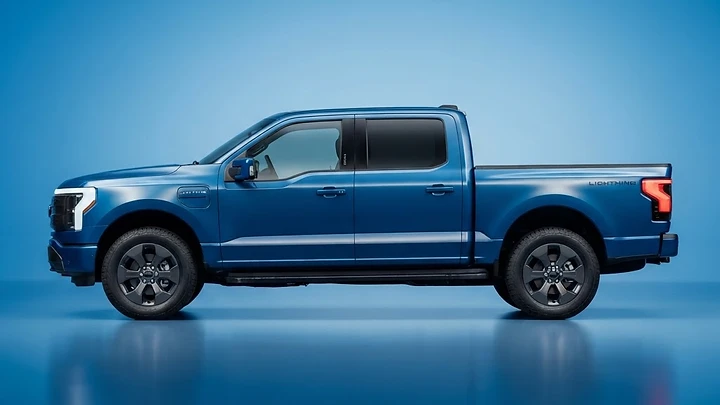
Performance on Demand: The New Ownership Model One of the most striking trends in the 2026 market is the concept of 'feature-on-demand.' You might purchase a base model vehicle and later unlock enhanced performance modes, advanced driver-assistance systems (ADAS), or even heated seating through a digital subscription. While this offers flexibility for buyers who want to keep their upfront costs low, it raises critical questions about the total cost of ownership. When evaluating a vehicle like the 2026 Ford F-150, consider whether the subscription-based features are essential or merely convenient, as these recurring costs can quickly erode the financial benefits of a lower initial purchase price. 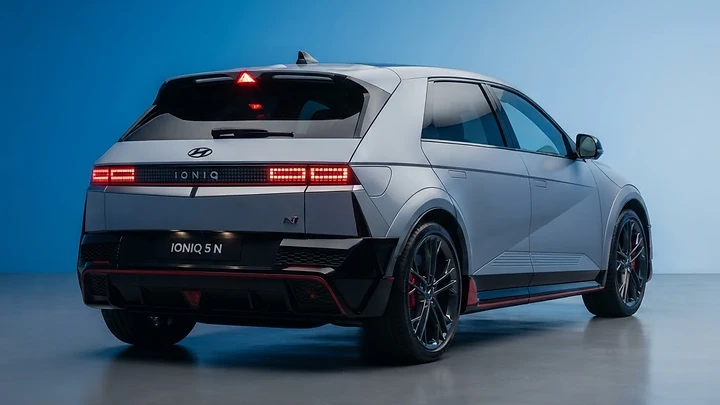

Navigating the Data Privacy Landscape As our cars become more connected, they are also becoming more observant.
Modern vehicles are equipped with sensors that monitor everything from cabin occupancy to driving habits. For the privacy-conscious buyer, this is a significant consideration. Before signing on the dotted line, ask your dealer specifically about data collection policies. Transparency is the cornerstone of a smart purchase; you have the right to know what information your vehicle is transmitting and how it is being used to influence your insurance rates or service recommendations. 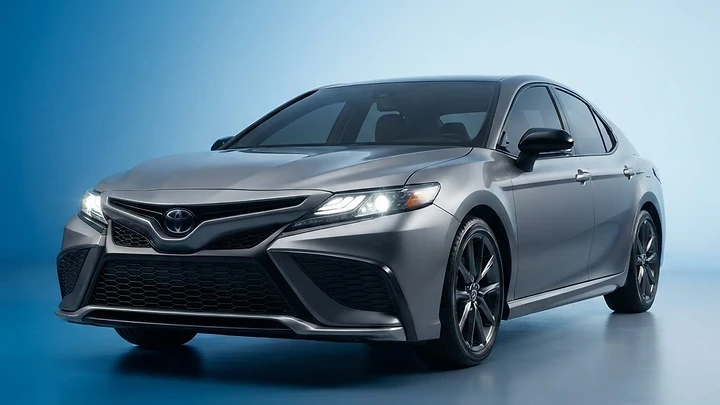

Frequently Asked Questions
Are software-defined vehicles more expensive to maintain?
Generally, software updates reduce the need for physical recalls, but proprietary software can limit your ability to use independent repair shops. Always check if the manufacturer offers a transparent 'right to repair' policy. #
Do OTA updates actually improve vehicle value?
Yes, they can. A vehicle that receives regular performance and safety updates often holds its resale value better than one that remains static, as it stays relevant in a fast-moving tech market. #
Should I worry about subscription fatigue?
It is a real concern. Before buying, calculate the 'all-in' cost of the vehicle, including any monthly subscriptions you anticipate needing for the next three to five years. #
Is the hardware in my car future-proof?
Most 2026 models are designed with modular hardware, but software requirements evolve rapidly. Focus on vehicles from brands with a proven track record of long-term software support. 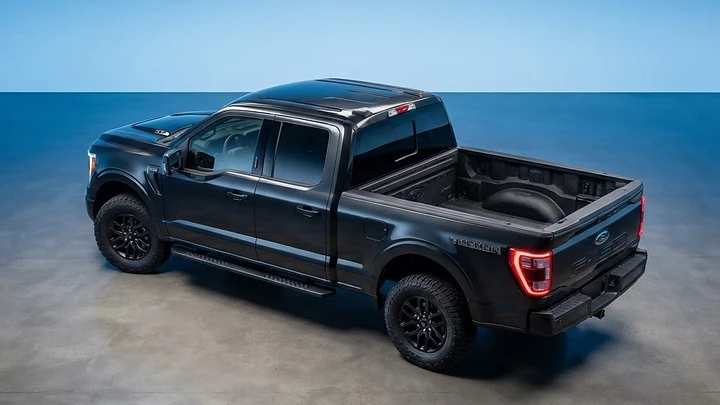

The Bottom Line The 2026 automotive market is a playground of innovation, but it requires a shift in how we define value.
Don't just look at the sticker price; look at the ecosystem the manufacturer provides. If you prioritize longevity and simplicity, look for vehicles with robust, proven software architectures that don't lock essential features behind a paywall. If you crave the latest tech, ensure you are comfortable with the subscription model. Ultimately, the best car for you is one that aligns with your lifestyle, not just the one with the most impressive digital dashboard.
The cars in this story
The real price and honest verdict on each one
- 2026 Ford F-150Full-Size Pickup · from $39,330
- 2026 Lucid AirLuxury Electric Sedan · from $70,900
- 2026 Toyota CamryMid-Size Sedan · from $28,850
More car news

2026 Car Buying: How to Navigate High Prices and Tech
Buying a car in 2026? Discover how to navigate record-high prices, essential tech features, and shifting market trends to secure the best deal for your needs.

Software-Defined Cars: The 2026 Honest Buyer’s Guide
Are software-defined cars worth the hype? Discover how over-the-air updates and subscription features are changing the 2026 car buying experience.

Head-Up Displays: Are They Worth It in 2026?
Are head-up displays worth the upgrade in 2026? We break down the safety, tech, and real-world value of HUDs to help you decide if you need one.