The True Cost of Car Ownership: 2026 Guide to Saving Money
Think your car payment is your only expense? Discover the real 2026 cost of car ownership and learn how to save thousands on maintenance, insurance, and fuel.
There is a quiet magic in the open road—the way the morning light catches the hood of your car as you pull out of the driveway, the hum of the engine, and the promise of where the pavement might lead. For many American families, a vehicle is more than just metal and glass; it is the vessel for life’s greatest adventures. Yet, behind the thrill of a new purchase lies a financial reality that often catches buyers off guard. In 2026, the average annual cost to own and operate a new vehicle has climbed to $12,863, or roughly $1,072 per month. Understanding the true cost of car ownership is the first step toward reclaiming your budget and ensuring your vehicle remains a source of freedom rather than a financial burden.
Beyond the Sticker Price: The Hidden Expenses When you walk into a dealership, the focus is almost always on the monthly payment.
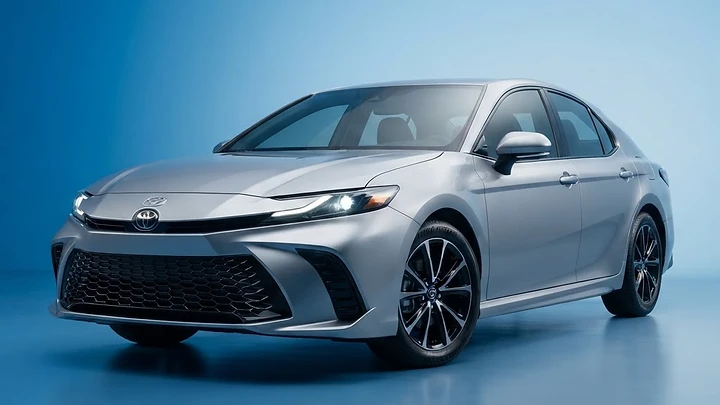
However, savvy buyers know that the sticker price is merely the entry fee. According to 2026 data, depreciation remains the single largest ownership cost, accounting for roughly 31% of your annual expenditure. When you drive a new vehicle like a 2026 Toyota Camry or a 2026 Honda CR-V off the lot, you are participating in a long-term financial commitment that includes insurance, fuel, registration, and the inevitable maintenance schedule. Insurance premiums have seen a sharp rise, now averaging over $2,000 annually, while repair costs have jumped by over 12% in recent months. By looking at the total cost of ownership—not just the loan—you can make a decision that protects your family's financial health for years to come. 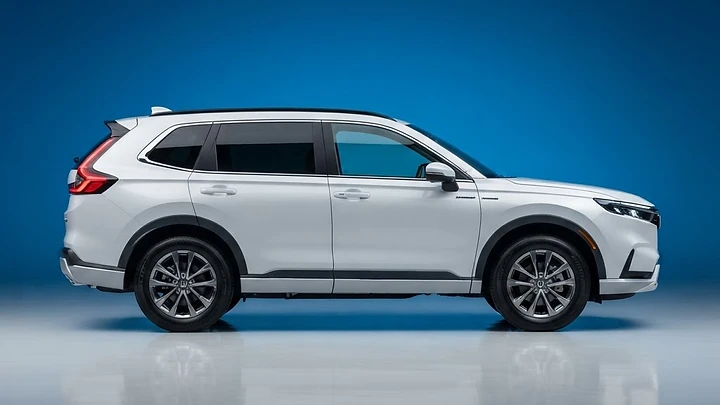
Mastering Maintenance to Slash Long-Term Costs It is a common misconception that skipping a service interval saves money.
In reality, deferred maintenance is the fastest way to turn a minor expense into a catastrophic repair bill. Modern vehicles, such as the 2026 Ford F-150, are marvels of engineering that require specific care to maintain their efficiency and safety. Following your owner’s manual is not just a suggestion; it is a strategy. Regular oil changes, tire rotations, and fluid checks can reduce your potential repair costs by up to 50% over the life of the vehicle. If you are considering a used vehicle, remember that you should set aside a larger "emergency fund" for repairs compared to a new car, which often comes with the peace of mind of a factory warranty. 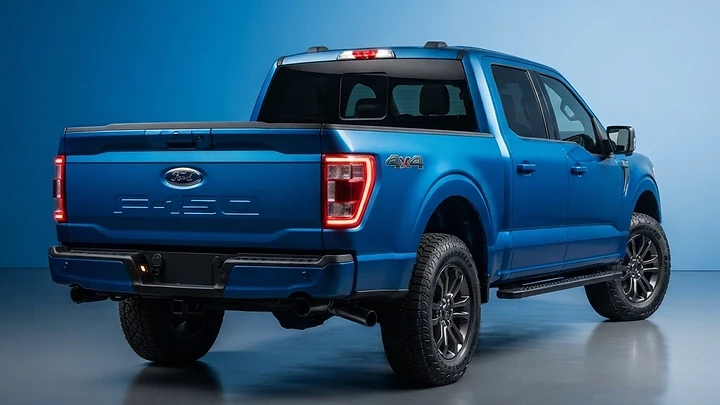

The EV vs.
Gas Ownership Equation The debate between electric vehicles and internal combustion engines often centers on fuel, but the ownership story is more nuanced. While EVs like the 2026 Hyundai Ioniq 5 offer significantly lower operating costs—thanks to fewer moving parts and cheaper "fuel" in the form of electricity—they often face higher depreciation rates and insurance premiums. For the average driver, the choice should depend on your daily commute and access to charging. If you drive high mileage, the fuel savings of an EV can be transformative. If you prefer the simplicity of a gas-powered sedan, look for models with high reliability ratings to keep your maintenance costs in the "sweet spot" of 9-10% of your total ownership budget. 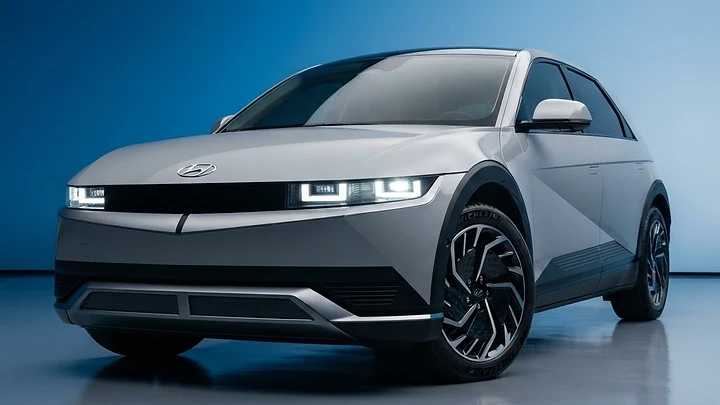

Frequently Asked Questions
What is the biggest factor in the cost of car ownership?
Depreciation is the largest expense, accounting for about 31% of your annual costs. It is the loss of value your car experiences as it ages. #
How can I lower my annual car expenses?
Stick strictly to the manufacturer’s maintenance schedule, shop for new insurance rates every two years, and calculate the total cost of ownership before signing a loan agreement. #
Are EVs cheaper to own than gas cars?
EVs generally have lower fuel and maintenance costs, but they often have higher initial purchase prices and depreciation, which can balance out the total cost of ownership. #
How much should I budget for maintenance?
On average, you should expect to spend between $900 and $1,200 annually on scheduled maintenance for a modern vehicle. 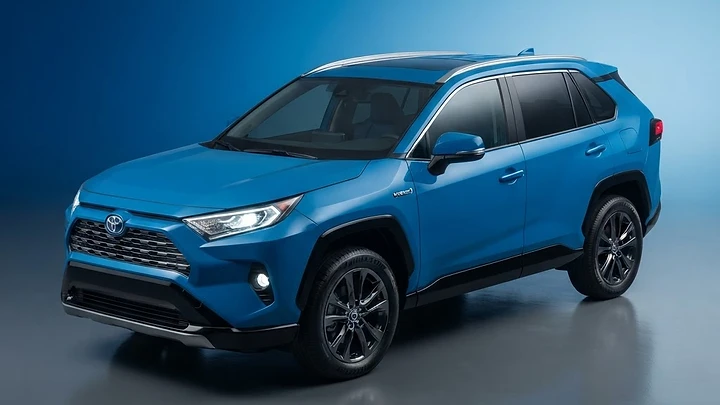

The Bottom Line Owning a car is a significant investment, but it doesn't have to be a mystery.
By acknowledging that your monthly payment is only part of the story, you can choose a vehicle that fits your lifestyle and your long-term financial goals. Whether you choose a fuel-efficient hybrid or a rugged truck, the secret to "winning" at car ownership is transparency. Research the maintenance requirements, shop for competitive insurance, and prioritize reliability. When you take control of these variables, you aren't just buying a car—you are securing your freedom to explore the world on your own terms.
The cars in this story
The real price and honest verdict on each one
- 2026 Ford F-150Full-Size Pickup · from $39,330
- 2026 Honda CR-VCompact SUV · from $30,920
- 2026 Toyota RAV4Compact SUV · from $31,900
- 2026 Toyota CamryMid-Size Sedan · from $28,850
More car news

Car Interior Detailing: The 2026 Honest Maintenance Guide
Master car interior detailing with our 2026 guide. Learn the right order, safe products, and maintenance tips to protect your vehicle's value and comfort.

Is Ceramic Coating Worth It? The 2026 Honest Buyer’s Guide
Considering ceramic coating for your car? We break down the real-world benefits, costs, and whether it’s actually worth the investment for your vehicle.

Car Maintenance Costs 2026: The Honest Buyer’s Guide
Don't let surprise repair bills ruin your budget. Discover the real 2026 car maintenance costs and how to choose a reliable vehicle that saves you money.