The True Cost of Car Ownership: 2026 Honest Buyer’s Guide
Think you know what your car costs? Discover the hidden expenses of car ownership in 2026 and learn how to budget smarter for your next vehicle purchase.
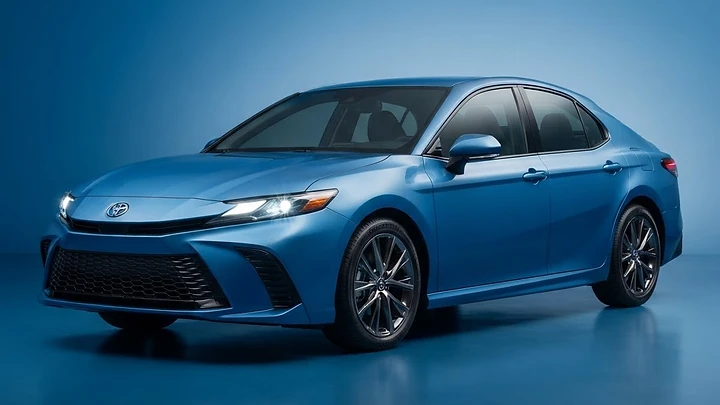
There is a specific kind of magic in the morning light hitting a fresh coat of paint on a new vehicle, a promise of open roads and untethered freedom. For many, a car is more than just a machine; it is the vessel for family road trips, the reliable partner for the daily commute, and a testament to hard work. Yet, as we navigate the 2026 automotive landscape, the true cost of car ownership has become a complex puzzle that often leaves buyers with unexpected sticker shock long after the keys are in their hands. Understanding these financial realities is the first step toward reclaiming your budget and ensuring your vehicle remains a source of joy rather than a source of stress.
Beyond the Sticker Price: The Hidden Reality of 2026 Ownership When you walk into a dealership, the focus is almost always on the monthly payment or the MSRP.
However, the true cost of car ownership in 2026 extends far beyond the initial transaction. Recent data indicates that the average annual cost of owning a new vehicle can now exceed $11,570 when accounting for all recurring expenses. While fuel prices have stabilized, other "hidden" costs—such as full-coverage insurance, which has seen significant surges, and rising maintenance fees—are quietly eroding household budgets. It is vital to view your vehicle as a long-term financial commitment rather than a one-time purchase. 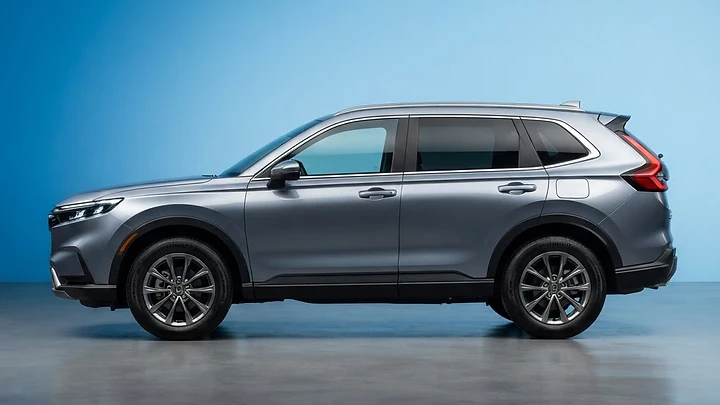
The Insurance and Maintenance Trap Insurance premiums have risen by approximately 55% since 2020, outpacing the growth of vehicle prices themselves.
For many drivers, this is now the single largest "hidden" expense, often costing over $2,200 annually. Simultaneously, maintenance and repair costs have climbed nearly 47% over the same period. Whether you are looking at a reliable commuter like the 2026 Toyota Camry or a versatile SUV like the 2026 Honda CR-V, these fixed costs are non-negotiable. Proactive maintenance, such as adhering strictly to the manufacturer’s service schedule, is the best way to mitigate these rising repair bills and protect your long-term investment. 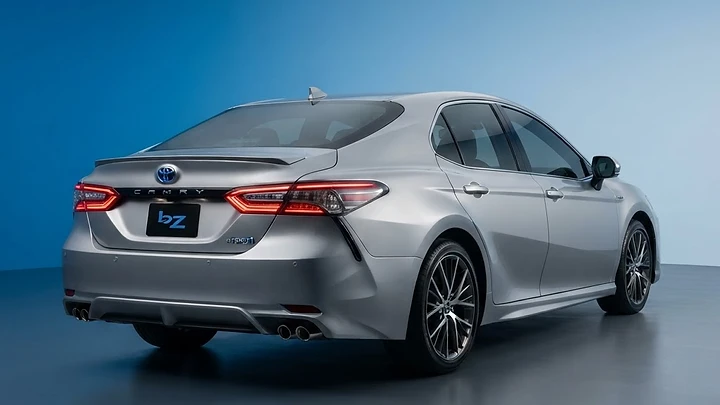

Financing and the Interest Rate Factor In July 2026, the average interest rate for a used car loan hovered around 7.45% APR, adding thousands of dollars in interest over the life of a loan. When you factor in registration, licensing fees, and state-specific taxes, the "out-the-door" price is often significantly higher than the advertised sticker price. Before signing any paperwork, always request a comprehensive breakdown of all fees. If a dealership cannot explain a line item, do not hesitate to ask for its removal. Transparency is your greatest asset in the negotiation process. 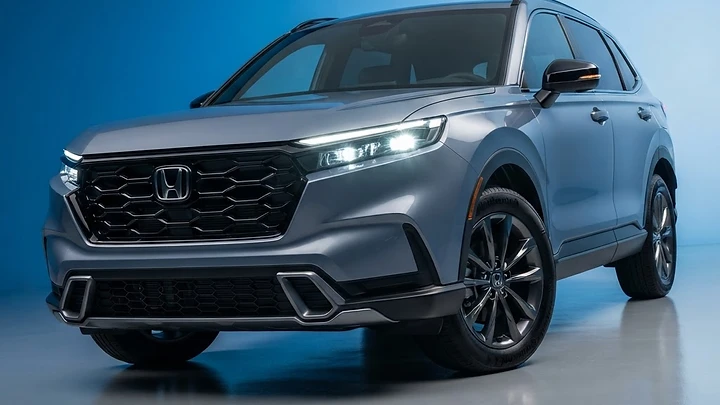

Fuel Economy and Long-Term Value While fuel is no longer the primary driver of ownership costs, it remains a significant variable.
Choosing a vehicle with superior fuel efficiency, such as a hybrid model, can save you thousands over a five-year ownership cycle. However, ensure that the premium paid for hybrid technology is offset by your actual driving habits. If you primarily drive short distances, the fuel savings might take years to break even against the higher upfront cost of the vehicle. Always calculate your "cost per mile" to determine if a specific model truly aligns with your financial goals. 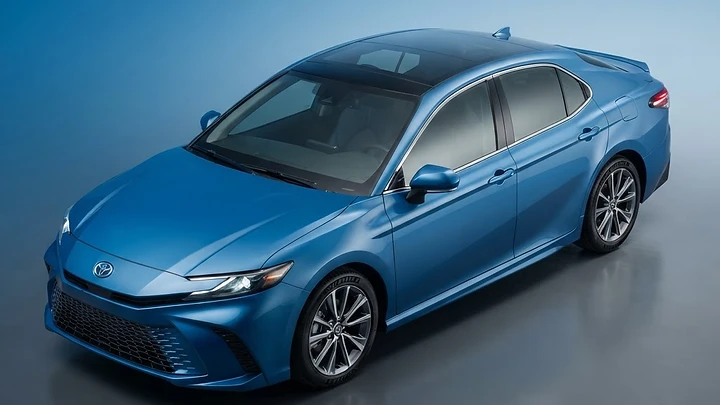

Frequently Asked Questions
What is the biggest hidden cost of owning a car in 2026?
Insurance is currently the most significant hidden expense for most American drivers, with premiums rising sharply over the last few years.
How much should I budget for maintenance annually?
A safe rule of thumb is to set aside at least $1,200 to $1,500 annually for routine maintenance, tires, and unexpected repairs, especially as your vehicle ages.
Does buying a used car really save money?
While the purchase price is lower, used cars often come with higher interest rates and potentially higher maintenance costs. Always factor in the cost of a pre-purchase inspection to avoid "lemon" surprises.
How can I lower my total cost of ownership?
You can lower costs by shopping for insurance annually, performing basic maintenance yourself, and choosing a vehicle with a proven track record of reliability and high resale value.
The Bottom Line The path to smart car ownership in 2026 is paved with transparency and preparation.
Do not let the excitement of a new car blind you to the reality of the total cost of ownership. By accounting for insurance, maintenance, and financing fees before you step onto the lot, you can choose a vehicle that fits your life and your wallet. Our recommendation: prioritize reliability and fuel efficiency, and always negotiate the "out-the-door" price rather than the monthly payment. Your future self will thank you for the diligence you exercise today.
The cars in this story
The real price and honest verdict on each one
Every model, side by sideMore car news

2026 Fuel Economy: The Honest Guide to Real-World Savings
Tired of gas station sticker shock? Discover the most fuel-efficient 2026 vehicles and learn how to maximize your real-world MPG without the dealership hype.

Mastering Fuel Economy: The 2026 Honest Efficiency Guide
Stop overpaying at the pump. Discover how 2026 driving habits, maintenance, and vehicle choices can slash your fuel costs and maximize your real-world MPG.

Best Gas Mileage Cars 2026: The Honest Efficiency Guide
Searching for the best gas mileage cars in 2026? We break down the most efficient non-hybrid and hybrid models to help you save money at the pump today.