Used EV Buying Guide: How to Find a Deal in 2026
Thinking about a used EV? Discover how to navigate the 2026 market, avoid common pitfalls, and find the best value in pre-owned electric vehicles today.
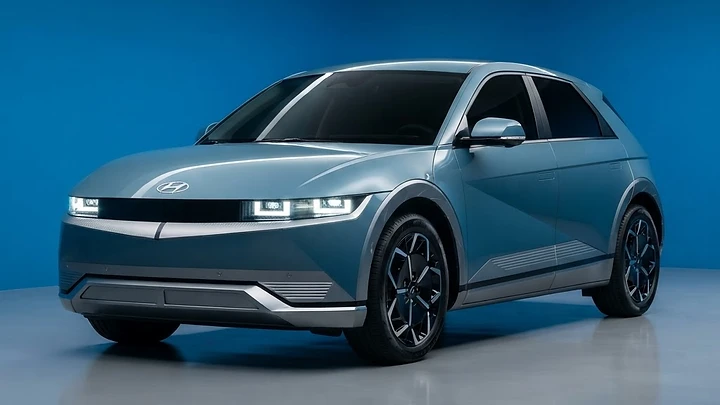
There is a quiet revolution happening on the open road. As you drive down a winding coastal highway, the silence of an electric motor paired with the instant, exhilarating torque of a modern EV creates a driving experience that feels less like commuting and more like gliding through the future. In 2026, the dream of owning a high-tech electric vehicle is becoming a reality for more Americans than ever before, not just because of new models, but because the used EV market has finally matured. With used EV searches up over 500% year-over-year, savvy buyers are realizing that the best way to enter the electric age is by letting someone else take the initial depreciation hit.
The Shift: Why Used EVs Are Suddenly Everywhere The landscape of the automotive market has shifted dramatically.
As the first major wave of three-year leases on popular electric models concludes, dealership lots and online platforms are seeing an influx of high-quality, low-mileage electric cars. This surge in supply is a massive win for the budget-conscious buyer. While new car prices have hovered near record highs—often exceeding $50,000—the used market offers a path to premium technology at a fraction of the cost. Whether you are looking at a 2023 Hyundai Ioniq 5 or a 2024 Kia EV6, you are now finding vehicles that offer 250+ miles of range and rapid-charging capabilities for prices that make sense for a family budget. 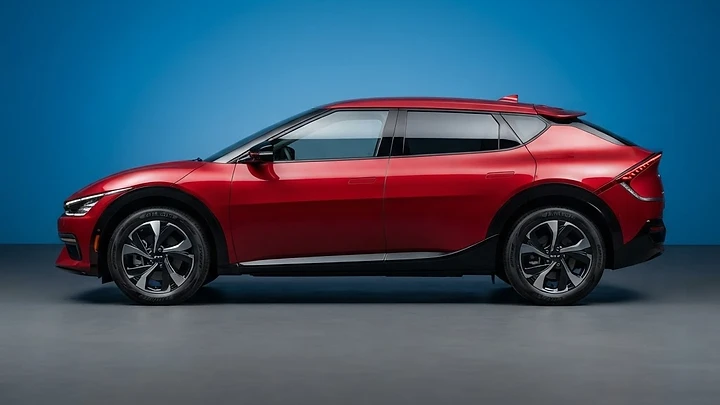
Understanding Battery Health and Longevity The biggest question on every buyer's mind is the battery.
Unlike a traditional internal combustion engine, the battery is the heart and soul of your EV. In 2026, we have better data than ever to assess health. When shopping, always request a battery health report. Most modern EVs, like the Toyota bZ4X or the Ford Mustang Mach-E, include sophisticated battery management systems that track degradation. A healthy battery should retain 85-90% of its original capacity after three years. If a seller cannot provide a diagnostic report, consider it a red flag. Remember, most manufacturers still carry an 8-year/100,000-mile warranty on the battery pack, which often transfers to the second owner, providing significant peace of mind. 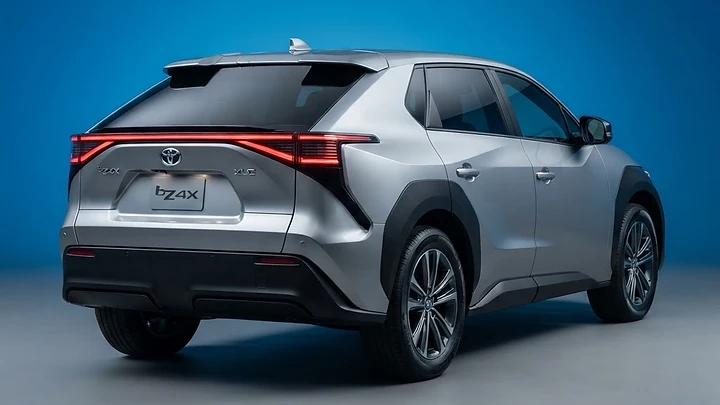

Navigating the Digital Buying Journey The modern car-buying journey is no longer confined to a dealership forecourt.
With over 80% of buyers starting their research online, you have the power to compare prices, trim levels, and vehicle histories from your living room. Use tools like Carfax to check for accident history and service records, and don't be afraid to look at online-only retailers. However, keep in mind that while digital convenience is high, a physical inspection remains non-negotiable. If you are buying from a private seller, insist on a pre-purchase inspection at a local shop that specializes in electric vehicles. They can check for suspension wear, software update status, and tire condition—which often wears faster on EVs due to their heavier curb weight. 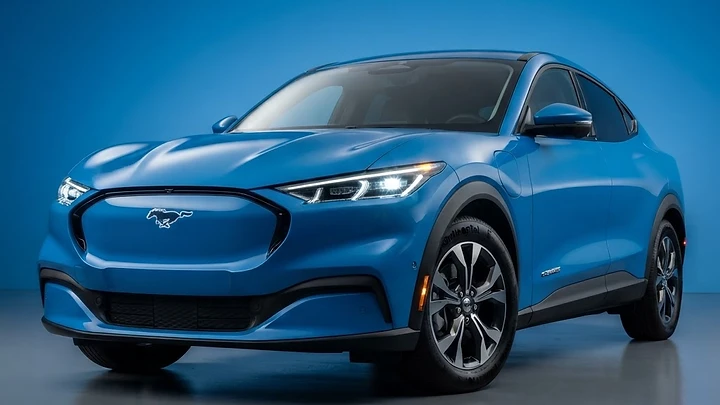

Financing and Ownership Costs Beyond the Sticker Price When you calculate your budget, look beyond the monthly payment.
While the upfront cost of a used EV might be lower than a new one, you must factor in home charging installation and potential insurance premiums. Many buyers are finding that by switching to an EV, they save thousands annually on fuel and maintenance—no more oil changes, spark plugs, or timing belts. If you are financing, be wary of long-term loans. With interest rates remaining a factor in 2026, aim for a term that keeps you from falling into negative equity. A shorter loan on a slightly older, reliable model is often a smarter financial move than a 7-year loan on a brand-new vehicle. 

Frequently Asked Questions
Is it safe to buy a used EV with high mileage?
Yes, provided the battery health report is positive. Electric motors have far fewer moving parts than gas engines, meaning they often last longer with less maintenance. #
Do I still get tax credits on used EVs?
Federal tax credit rules for used EVs are specific and income-dependent. Always check the current IRS guidelines for the 2026 tax year to see if the specific model you are buying qualifies. #
How much does it cost to replace an EV battery?
While rare, out-of-warranty replacements are expensive. However, most EVs on the market today are still well within their manufacturer battery warranties. #
Should I buy from a dealer or a private seller?
Dealers offer more protection and financing options, but private sellers may offer lower prices. If you go private, always use a secure payment method and verify the title status.
The Bottom Line The 2026 used EV market is a goldmine for buyers who do their homework.
By focusing on vehicles with documented battery health, understanding your total cost of ownership, and leveraging digital research tools, you can secure a reliable, high-tech vehicle that fits your lifestyle. Don't rush the process; the right car is out there, and the savings you'll realize at the pump and in the shop will pay dividends for years to come.
The cars in this story
The real price and honest verdict on each one
- 2026 Kia EV6Compact SUV · from $37,900
- 2026 Ford MustangSports Car · from $32,640
- 2026 Ford Mustang Mach-EElectric SUV · from $39,840
- 2026 Toyota bZ4XElectric Compact SUV · from $34,900
More car news

2026 Car Buying: How to Navigate High Prices and Tech
Buying a car in 2026? Discover how to navigate record-high prices, essential tech features, and shifting market trends to secure the best deal for your needs.

Software-Defined Cars: The 2026 Honest Buyer’s Guide
Are software-defined cars worth the hype? Discover how over-the-air updates and subscription features are changing the 2026 car buying experience.

Head-Up Displays: Are They Worth It in 2026?
Are head-up displays worth the upgrade in 2026? We break down the safety, tech, and real-world value of HUDs to help you decide if you need one.