Winter Tires vs All-Season: The 2026 Honest Buyer’s Guide
Are winter tires worth the investment? We break down the real differences between winter and all-season tires to help you drive safely this winter season.
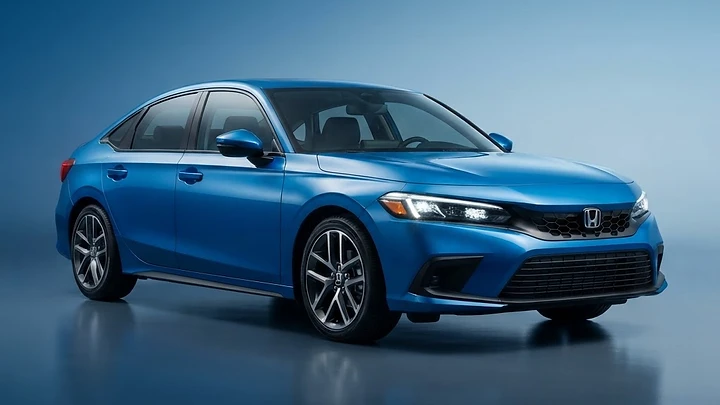
There is a specific, heart-stopping moment every driver knows: the instant you tap the brakes on a slick, frost-covered road and feel the car continue to slide forward, indifferent to your input. It is a reminder that your connection to the road is only as good as the four patches of rubber beneath you. As we head into the 2026 winter season, understanding the difference between all-season and dedicated winter tires is not just about maintenance—it is about the safety of your family and the longevity of your vehicle. Whether you are driving a nimble 2026 Honda Civic or a heavy-duty 2026 Ford F-150, the right rubber changes everything.
The Science of Grip: Why Temperature Matters Many drivers assume that all-season tires are a 'do-it-all' solution, but physics tells a different story.
All-season tires are engineered with a harder rubber compound designed to balance longevity and fuel efficiency in moderate temperatures. Once the mercury drops consistently below 45°F (7°C), that rubber begins to stiffen, losing its ability to conform to the road surface. In contrast, winter tires utilize a specialized, pliable compound that remains soft and grippy even in sub-zero conditions. This isn't just marketing; it is a fundamental difference in chemical engineering that allows the tire to 'bite' into the pavement, snow, and ice. 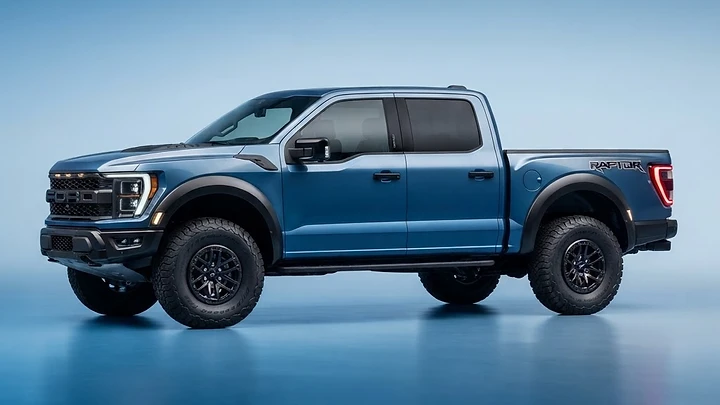
All-Season vs.
Winter: Decoding the Symbols When shopping for your next set of tires, look for the 'Three-Peak Mountain Snowflake' (3PMSF) symbol on the sidewall. This icon indicates that the tire has been tested and proven to provide superior traction in medium-packed snow compared to a standard all-season tire. While some modern 'all-weather' tires carry this rating, they still cannot match the dedicated siping and tread depth of a true winter tire. If you live in a region with heavy snowfall or frequent ice, the 3PMSF symbol is your baseline requirement for safety. 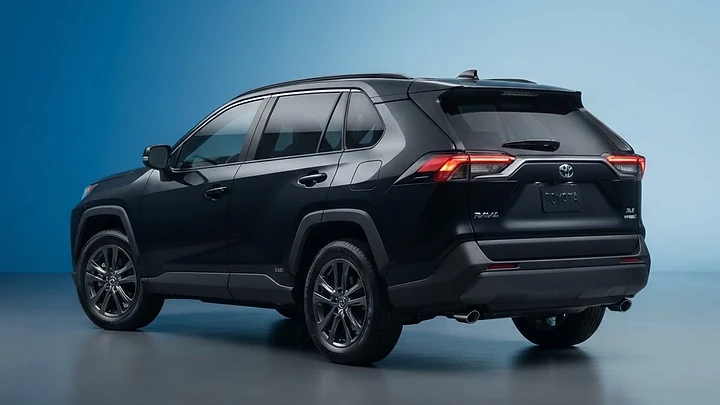

The AWD Myth: Why Four-Wheel Drive Isn't Enough One of the most dangerous misconceptions in the automotive world is that All-Wheel Drive (AWD) eliminates the need for winter tires.
While AWD is excellent for helping you accelerate from a stop, it does absolutely nothing to help you stop or turn on ice. In fact, a 2026 Toyota RAV4 with AWD on all-season tires will have the same braking distance as a front-wheel-drive vehicle on the same tires. Winter tires improve your braking and cornering capabilities, which are the two most critical factors in avoiding an accident. Always install winter tires on all four corners to maintain balanced handling and prevent dangerous oversteer or understeer. 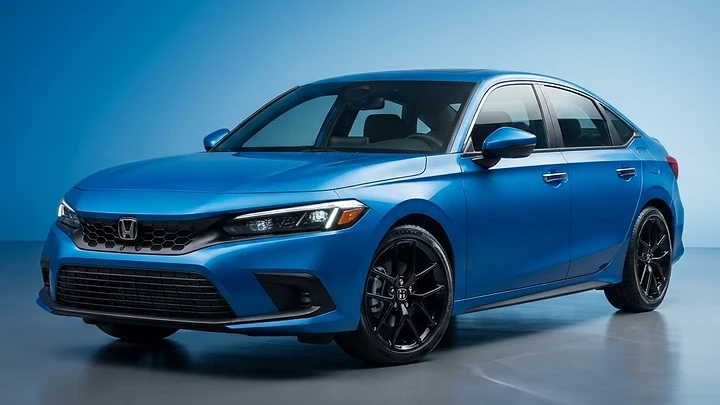

Long-Term Ownership and Value While a second set of tires represents an upfront cost—typically ranging from $100 to $700 per tire depending on your vehicle size—it is an investment in your car's total value.
By swapping to winter tires, you are effectively doubling the lifespan of your all-season set, as they are not being subjected to the harsh, abrasive conditions of winter roads. Many owners find that the cost is offset by the reduced risk of collision and the peace of mind that comes with superior control. When you store your off-season tires properly in a cool, dry place, they remain ready for the next season, ensuring your vehicle is always optimized for the current climate. 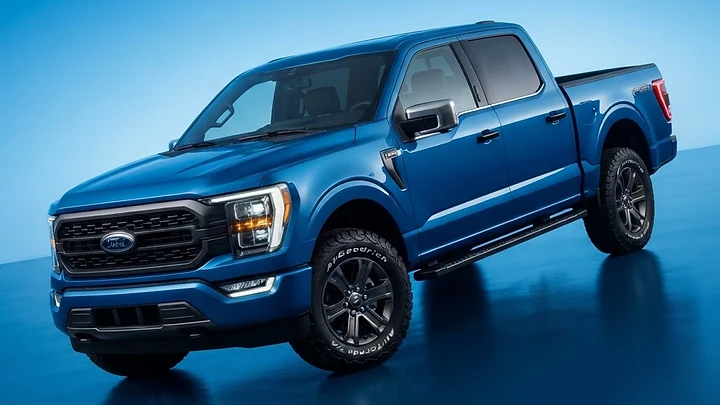

Frequently Asked Questions
Do I really need winter tires if I have AWD?
Yes. AWD helps you go, but winter tires help you stop and turn. AWD does not improve your braking performance on ice or packed snow. #
At what temperature should I switch to winter tires?
A good rule of thumb is to install them when temperatures are consistently around 45°F (7°C) or lower. #
Can I just put winter tires on the front wheels?
No. You must install winter tires on all four wheels to ensure predictable handling. Mixing tire types can lead to dangerous traction imbalances. #
How do I know if my current tires are worn out?
Use the quarter test: insert a quarter into the tread groove. If you can see the top of George Washington's head, your tread is likely below 4/32-inch and it is time to start shopping for replacements.
The Bottom Line If you live in an area that experiences consistent freezing temperatures, ice, or snow, dedicated winter tires are not a luxury—they are a necessity.
While all-season tires are sufficient for temperate climates, they simply cannot compete with the safety and performance of winter-specific rubber when the road turns white. For the best results, invest in a dedicated set of winter tires on their own wheels to make the seasonal swap quick and painless. Your car, your passengers, and your insurance premiums will thank you.
The cars in this story
The real price and honest verdict on each one
Every model, side by sideMore car news

Car Interior Detailing: The 2026 Honest Maintenance Guide
Master car interior detailing with our 2026 guide. Learn the right order, safe products, and maintenance tips to protect your vehicle's value and comfort.

Is Ceramic Coating Worth It? The 2026 Honest Buyer’s Guide
Considering ceramic coating for your car? We break down the real-world benefits, costs, and whether it’s actually worth the investment for your vehicle.

Car Maintenance Costs 2026: The Honest Buyer’s Guide
Don't let surprise repair bills ruin your budget. Discover the real 2026 car maintenance costs and how to choose a reliable vehicle that saves you money.