Your Next Car’s AI Assistant: A 2026 Buyer’s Guide
Are in-car AI assistants finally useful? We explore the latest voice tech in 2026 vehicles to help you decide if it's a game-changer or just a gimmick.
Imagine gliding down a coastal highway at sunset, the cabin bathed in a soft, ambient glow. You don't reach for a dial or fumble with a touchscreen; you simply speak, and your car responds with the nuance of a human companion. This isn't science fiction—it is the reality of the 2026 automotive landscape. As we navigate the evolving world of in-car AI assistants, the promise of a truly intuitive driving experience is finally within reach. For the modern American buyer, understanding this technology is no longer optional; it is essential to choosing a vehicle that will serve you well for years to come.
The Evolution of In-Car Voice Control In the past, voice commands were rigid, frustrating, and often required you to memorize specific phrases just to change the radio station.
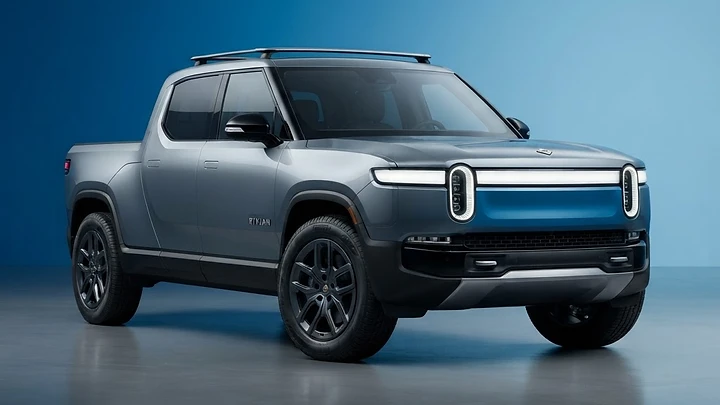
Today, the integration of Large Language Models (LLMs) like Google Gemini and ChatGPT is transforming these systems into conversational partners. Manufacturers are moving away from clunky, fixed-command structures toward systems that understand context, intent, and even your mood. Whether you are looking at a 2026 Rivian R1T or a 2027 Cadillac Lyriq, the goal is the same: to make the car an extension of your digital life without compromising safety. 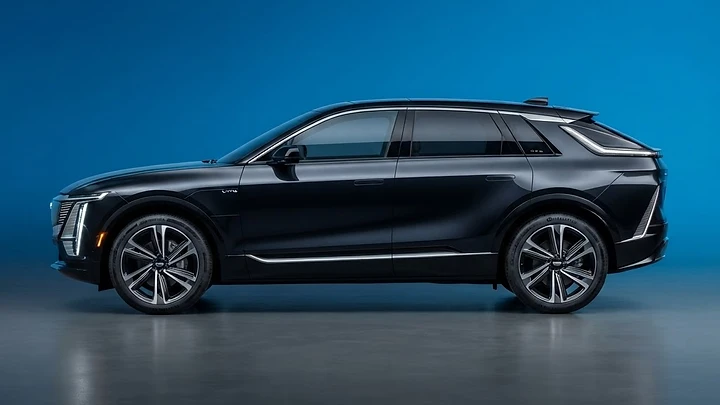
Why Integration Matters for Your Daily Drive The most significant shift in 2026 is the move toward deep vehicle integration.
Unlike older systems that only controlled media, modern AI assistants can now adjust ride height, toggle drive modes, and even provide real-time range estimates based on your destination. For example, the Rivian Assistant is designed to control nearly every aspect of the vehicle’s operating system. This level of control means you spend less time looking at screens and more time enjoying the road. When shopping, ask the dealer: "Does the voice assistant control vehicle hardware, or just infotainment?" The answer will tell you if you are getting a true smart assistant or just a glorified speaker. 

Privacy and Transparency in the AI Era With great connectivity comes the need for vigilance.
As your car becomes a "robot butler" on wheels, it collects more data than ever before. It is vital to understand how your voice data is stored and used. In 2026, new regulations like the EU AI Act and various state-level consumer protections are beginning to force transparency. Before you sign the paperwork, check the vehicle’s privacy policy. Look for clear disclosures about whether your voice data is used to train future models or if it remains local to your vehicle. Transparency is the hallmark of a brand that respects its customers. 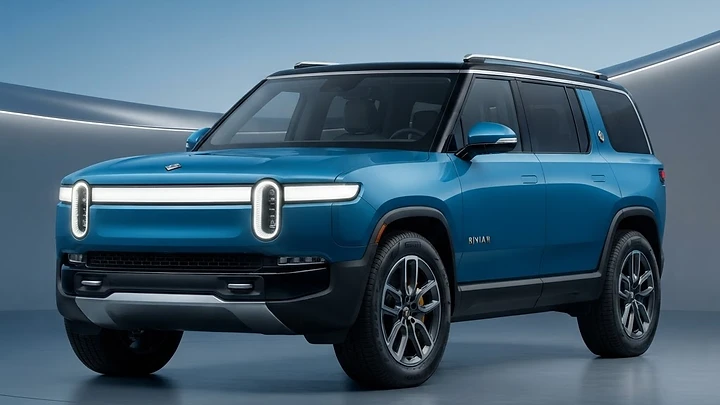

Frequently Asked Questions
Are AI voice assistants in cars actually reliable?
While early versions were often disappointing, 2026 models using advanced LLMs are significantly more capable. They handle natural language much better, though they are still evolving. #
Can I still use Apple CarPlay or Android Auto?
Some manufacturers, like GM, are moving toward proprietary systems powered by AI. Always verify if your preferred phone-mirroring tech is supported if that is a dealbreaker for you. #
Will my car's AI get better over time?
Yes. Most modern vehicles with advanced AI support over-the-air (OTA) updates, meaning your assistant can gain new capabilities long after you drive off the lot. #
Is the AI assistant a safety risk?
Automakers are required to follow strict safety protocols. Most systems are designed to prevent the AI from interfering with critical driving functions, ensuring you remain in control. 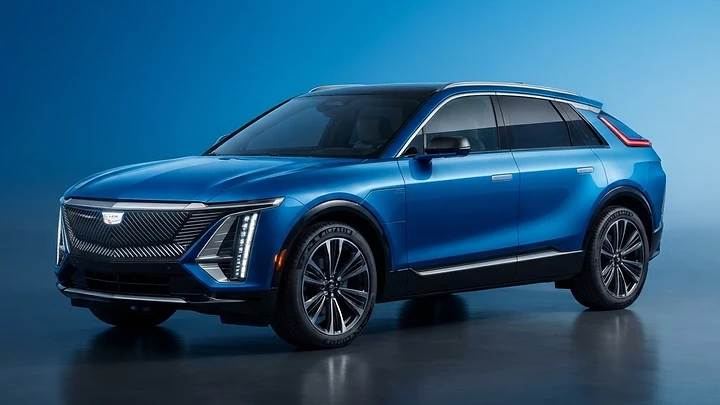

The Bottom Line The 2026 market is a turning point for automotive technology.
While the allure of a "smart" car is strong, prioritize systems that offer genuine utility—like deep vehicle control—rather than just flashy gimmicks. If you value a seamless, hands-free experience, look for vehicles with native, deeply integrated AI assistants. However, if you prefer simplicity, don't feel pressured to pay for tech you won't use. The best car for you is one that makes your life easier, not one that adds more complexity to your daily commute. Choose wisely, stay informed, and enjoy the drive.
The cars in this story
The real price and honest verdict on each one
- 2026 Cadillac LyriqLuxury Electric SUV · from $58,590
- 2026 Rivian R1SFull-Size SUV · from $76,990
- 2026 Rivian R1TFull-Size Pickup · from $70,990
- 2026 Honda CR-VCompact SUV · from $30,920
More car news

Used Hybrid Cars: The 2026 Honest Buyer’s Guide
Considering a used hybrid? Discover why these fuel-efficient vehicles are trending in 2026 and how to find a reliable deal without overpaying.

2026 Car Buying: How to Navigate High Prices and Tech
Buying a car in 2026? Discover how to navigate record-high prices, essential tech features, and shifting market trends to secure the best deal for your needs.

Software-Defined Cars: The 2026 Honest Buyer’s Guide
Are software-defined cars worth the hype? Discover how over-the-air updates and subscription features are changing the 2026 car buying experience.