2026 Car Safety Guide: Is Advanced Tech Worth the Cost?
Are 2026 advanced driver assistance systems worth the premium? We break down what is standard, what is optional, and how to protect your family without overpaying.
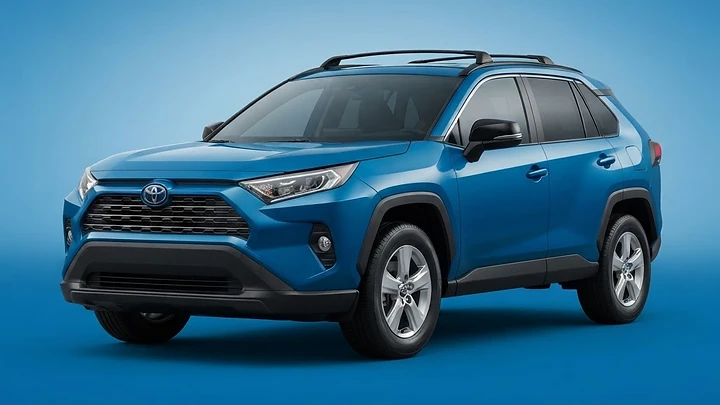
There is a profound sense of wonder in the modern automobile, a machine that has evolved from a simple mechanical tool into a guardian of your family's most precious cargo. As you grip the wheel of a 2026 model, you are not just driving; you are interacting with a sophisticated network of sensors and processors designed to anticipate the unpredictable nature of the open road. Yet, as these systems become more complex, the question for the modern buyer is no longer just about performance—it is about value. Are you paying for genuine peace of mind, or are you being upsold on features that add little to your daily commute?
Understanding the Baseline: What is Standard in 2026?
Federal regulations have pushed the industry toward a new baseline of safety. In 2026, almost every new vehicle, from the entry-level sedan to the luxury SUV, comes equipped with a core suite of Advanced Driver Assistance Systems (ADAS). This typically includes Automatic Emergency Braking (AEB), lane-keeping assist, and forward-collision warnings. These are no longer luxury add-ons; they are the industry standard. When you look at a 2026 Toyota RAV4 or a Honda CR-V, you are getting a vehicle that has been engineered to intervene when human reaction time falls short. These systems are integrated into the vehicle's hardware architecture at the factory, meaning you cannot simply add them later. If you are shopping on a budget, prioritize these standard features over aesthetic upgrades. 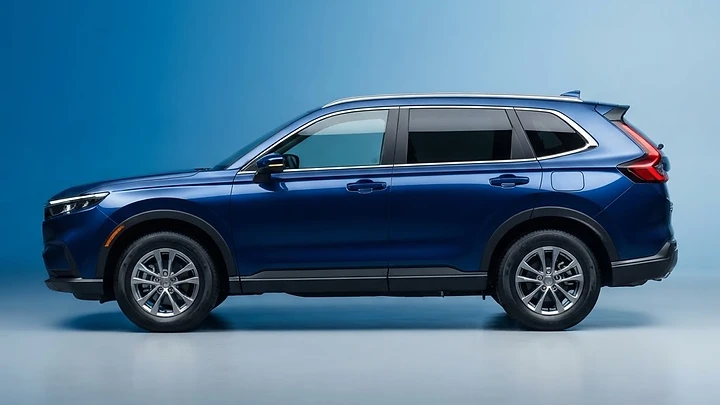
The Premium Gap: When to Pay for More Advanced Tech While standard systems cover the basics, manufacturers often bundle "premium" safety packages that can range from $1,200 to $3,500.
These packages might include features like 360-degree camera views, blind-spot monitoring with steering intervention, or hands-free highway driving systems like Ford’s BlueCruise. For a family vehicle like the 2026 Hyundai Palisade, these features can be transformative, especially in tight parking lots or during long highway stretches. However, be honest about your driving habits. If you rarely drive on highways, the premium for advanced lane-centering might be better spent on a higher trim level that offers better seating comfort or fuel efficiency. 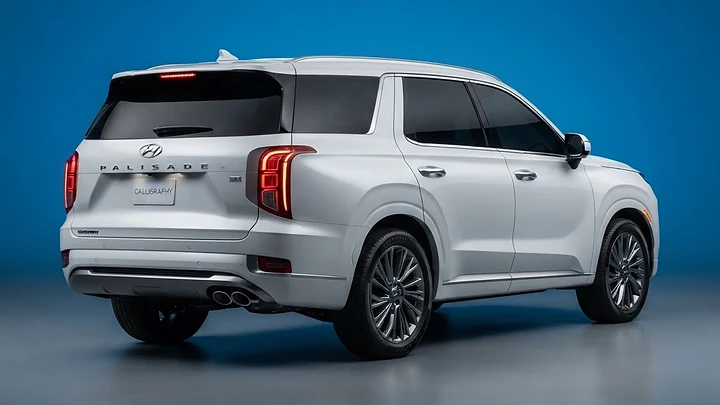

The Reality of Hands-Free Driving Systems It is easy to be dazzled by marketing videos showing drivers with their hands off the wheel, but it is vital to understand the limitations.
Systems like Ford BlueCruise or similar offerings from BMW are classified as Level 2 automation. This means you, the driver, are still the captain of the ship. You must keep your eyes on the road and be prepared to take control at a moment's notice. These systems are designed to reduce fatigue, not to replace your attention. When evaluating these features, view them as a "co-pilot" rather than a "chauffeur." 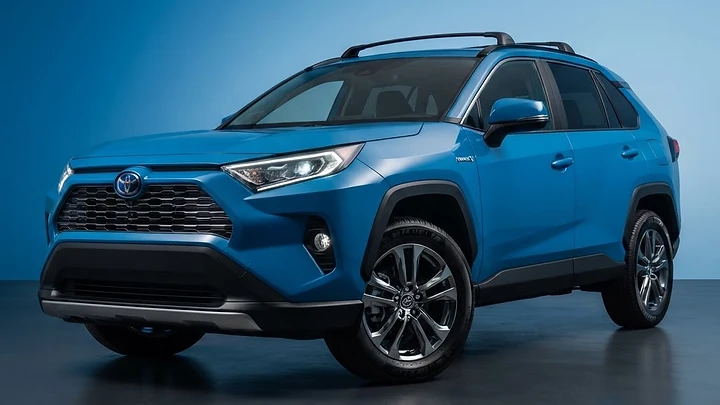

Maintenance and Repair: The Hidden Cost of Safety Tech One often overlooked aspect of advanced safety is the long-term cost of ownership.
Because these systems rely on cameras, radar sensors, and ultrasonic detectors often embedded in bumpers and windshields, minor fender benders can become expensive repairs. A simple bumper replacement on a car loaded with sensors can cost significantly more than on a base model. Before you sign the paperwork, ask your dealer about the cost of recalibrating these systems. Transparency in these potential future costs is a hallmark of a smart, honest buyer. 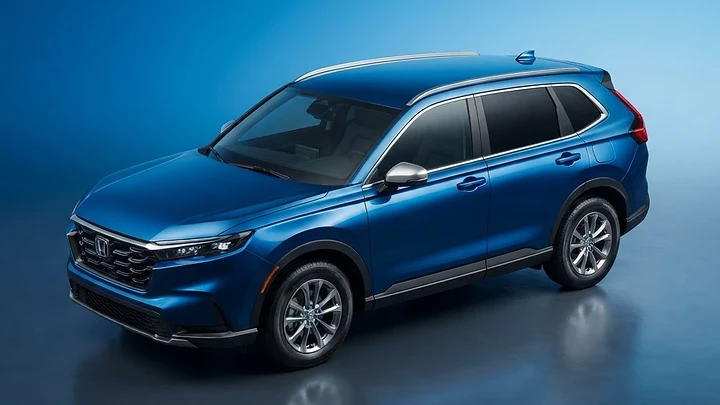

Frequently Asked Questions Q: Can I add advanced safety features to my car after I buy it?
A: No. Most ADAS features are deeply integrated into the vehicle's electronic control units and sensor arrays during manufacturing. You must select these options at the time of purchase. Q: Are 5-star safety ratings the only thing I should look at? A: While NHTSA 5-star ratings are a great starting point, they measure crashworthiness. Also check IIHS reports for specific performance in "small overlap" front tests and pedestrian detection capabilities. Q: Do I really need blind-spot monitoring? A: While not strictly necessary for experienced drivers, blind-spot monitoring is one of the most effective tools for preventing highway accidents. It is highly recommended for family vehicles. Q: Is it true that safety tech increases insurance premiums? A: It is a double-edged sword. While the tech helps avoid accidents, the cost to repair the sensors can lead to higher insurance claims. However, many insurers offer discounts for vehicles with proven safety systems.
The Bottom Line At Carummah, we believe in buying the right car for your life, not the one with the most expensive brochure.
For most American families, the standard safety suite included in 2026 models is more than sufficient. If you are considering a premium safety package, ask yourself if the specific feature—like a 360-degree camera—will genuinely solve a problem you face daily. If the answer is yes, it is a worthy investment. If it is just a "cool" feature you will rarely use, keep your money in your pocket and focus on the core safety features that protect what matters most.
The cars in this story
The real price and honest verdict on each one
- 2026 Hyundai PalisadeMid-Size SUV · from $39,435
- 2026 Honda CR-VCompact SUV · from $30,920
- 2026 Toyota RAV4Compact SUV · from $31,900
- 2026 Honda PilotMid-Size SUV · from $42,195
More car news

Safest Cars 2026: The Honest Buyer’s Guide to Protection
Buying a safe car in 2026? Discover how to navigate crash ratings, essential safety tech, and the models that offer the best protection for your family.

2026 Car Safety Tech: What Actually Keeps You Safe?
Confused by 2026 car safety tech? We break down what features actually save lives, which are worth the upgrade, and how to choose the safest car for your family.

Safest Family Cars 2026: The Honest Guide to Car Seat Fit
Finding the safest family car in 2026 goes beyond crash ratings. We break down which vehicles actually make installing car seats easy and stress-free.