2026 Car Safety Guide: Is Advanced Tech Worth the Cost?
Confused by 2026 car safety tech? We break down which advanced driver assistance systems actually protect your family and which are just expensive add-ons.
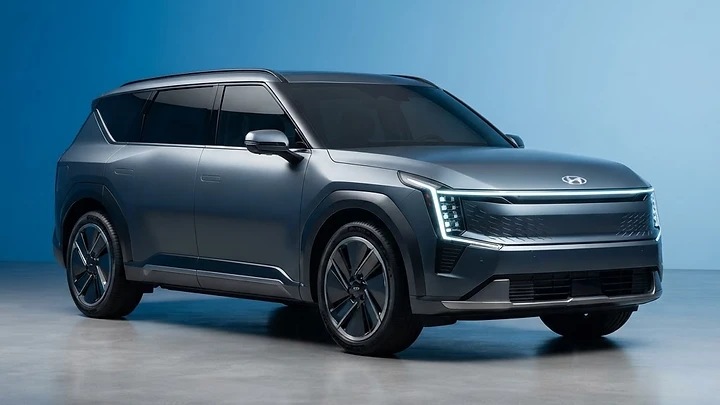
There is a profound, quiet magic in the moment you pull your family into a new vehicle for the first time. The scent of fresh materials, the crisp clarity of the digital displays, and the reassuring thud of the door closing behind you—it is a promise of safety and adventure. As we navigate the 2026 automotive landscape, that promise is backed by more silicon and sensors than ever before. But as a buyer, you are faced with a dizzying array of acronyms and premium packages. Is the latest suite of driver assistance tech a genuine guardian, or just a way to inflate the sticker price? At Carummah, we believe in transparency, and today we are cutting through the marketing noise to help you decide what truly matters for your peace of mind.
Understanding the 2026 Safety Landscape The 2026 model year marks a significant shift in how safety is measured.
With the National Highway Traffic Safety Administration (NHTSA) updating its New Car Assessment Program (NCAP) standards, vehicles are now being tested against more rigorous criteria, including pedestrian and bicyclist detection. When you look at a window sticker, you will see features like Automatic Emergency Braking (AEB) and Lane Keeping Assist. These are no longer just luxury perks; they are becoming the baseline for a safe vehicle. For instance, the 2026 Hyundai Ioniq 9 has set a high bar, earning top marks for its integrated safety suite. However, remember that these systems are designed to assist, not replace, your attention. You are the pilot; the car is your co-pilot. 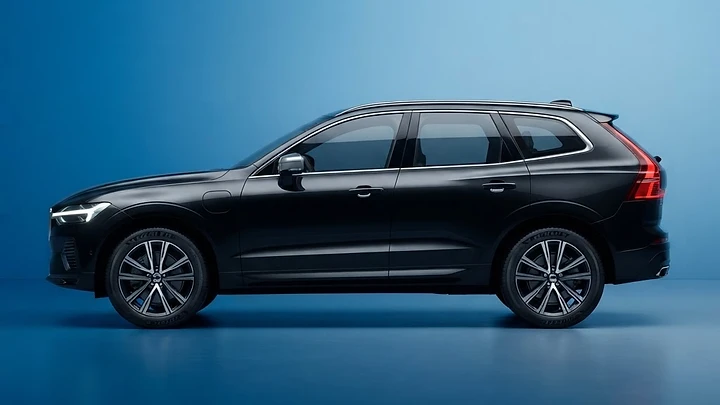
Crashworthiness vs.
Crash Avoidance When shopping, it is vital to distinguish between two types of safety: crashworthiness and crash avoidance. Crashworthiness is the old-school, physical integrity of the vehicle—how the frame crumples to protect you during an impact. Crash avoidance, or Advanced Driver Assistance Systems (ADAS), uses cameras and radar to prevent the accident from happening in the first place. Models like the 2026 Volvo XC60 continue to excel here, utilizing radar-based Blind Spot Information Systems (BLIS) that provide active steering intervention. While crashworthiness is non-negotiable, crash avoidance tech is where you see the most variation in cost and effectiveness. 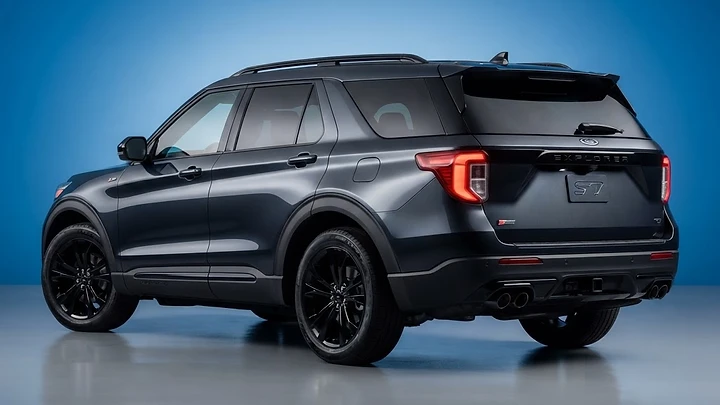

Are Premium Safety Packages Worth the Investment?
Many manufacturers bundle safety tech into 'Plus' or 'Ultra' trims, often adding $2,000 to $5,000 to the base price. If you are looking at a 2026 Ford Explorer, you might find that the most advanced hands-free driving features are locked behind higher trim levels. Ask yourself: do you need hands-free highway driving, or is a robust blind-spot monitor and standard AEB sufficient? For most families, the core safety features—those that prevent low-speed parking accidents and highway collisions—provide the highest return on investment. Don't feel pressured to pay for 'beta' technology that you won't use daily. 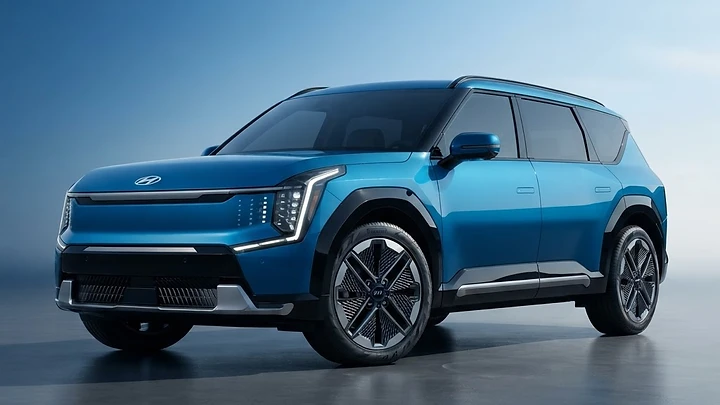

Frequently Asked Questions
Do all 2026 cars come with standard safety tech?
While many features like Forward Collision Warning are becoming standard, advanced systems like 360-degree cameras or rear automatic braking are often trim-dependent. Always check the specific Monroney label. #
Is a 5-star NHTSA rating the only thing that matters?
No. While 5-star ratings are excellent, look for IIHS 'Top Safety Pick' awards, which often test for more specific, real-world crash scenarios like small-overlap impacts. #
Can I add safety tech later?
Generally, no. Most ADAS features are integrated into the vehicle's electrical architecture at the factory. It is almost always cheaper to buy the trim with the features you want than to try to retrofit them. #
Does safety tech increase my insurance premiums?
Sometimes, yes. While safer cars are less likely to crash, the sensors and cameras are expensive to repair. However, many insurers offer discounts for vehicles with proven active safety systems. 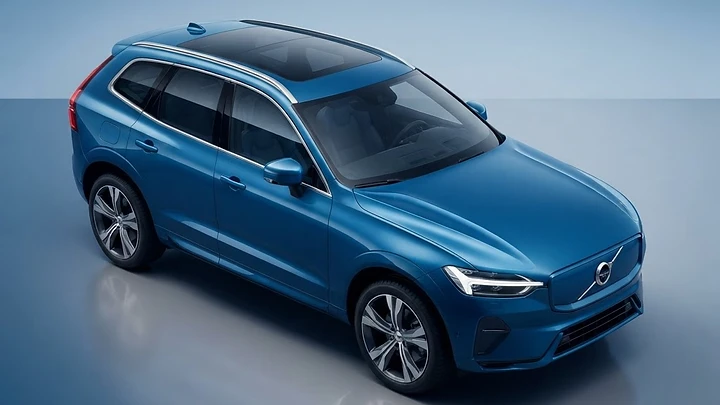

The Bottom Line When you are standing on the dealership floor, it is easy to get swept up in the 'tech-first' sales pitch.
Our advice? Prioritize vehicles that include standard Automatic Emergency Braking and robust blind-spot monitoring. If you are choosing between a higher trim level for the sake of 'safety' versus a lower trim with the same core crash-test ratings, save your money. A safe car is one that fits your budget, is maintained properly, and has the fundamental crash-avoidance tools that have been proven to save lives. Drive with confidence, knowing that the best safety feature in any 2026 vehicle remains the person behind the wheel.
The cars in this story
The real price and honest verdict on each one
- 2026 Volvo XC60Compact Luxury SUV · from $49,700
- 2026 Ford ExplorerMid-Size SUV · from $38,465
- 2026 Honda PilotMid-Size SUV · from $42,195
More car news

Safest Cars 2026: The Honest Buyer’s Guide to Protection
Buying a safe car in 2026? Discover how to navigate crash ratings, essential safety tech, and the models that offer the best protection for your family.

2026 Car Safety Tech: What Actually Keeps You Safe?
Confused by 2026 car safety tech? We break down what features actually save lives, which are worth the upgrade, and how to choose the safest car for your family.

Safest Family Cars 2026: The Honest Guide to Car Seat Fit
Finding the safest family car in 2026 goes beyond crash ratings. We break down which vehicles actually make installing car seats easy and stress-free.