2026 Car Safety Guide: Is Advanced Tech Worth the Cost?
Are 2026 safety features worth the premium? We break down the latest IIHS standards, crash-avoidance tech, and how to find a safe car without overspending.
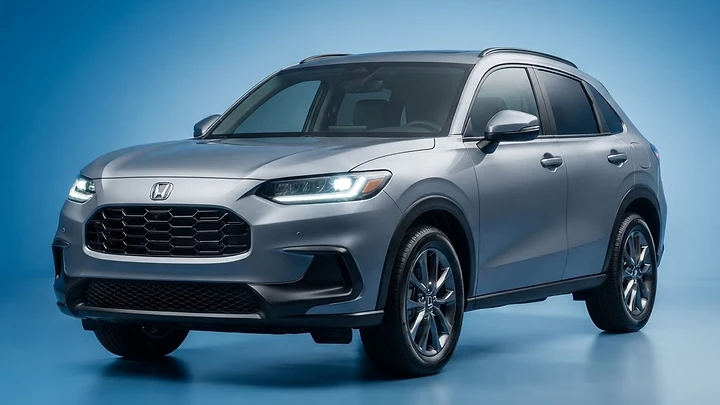
There is a profound, quiet magic in the way a modern vehicle protects its occupants. Imagine driving down a winding mountain road at dusk, the world blurring into a symphony of shadows and light, knowing that your car is silently scanning the horizon, ready to intervene before you even perceive a threat. This isn't just engineering; it is a guardian angel made of radar, cameras, and high-strength steel. For the 2026 car buyer, the landscape of safety has shifted dramatically. With the Insurance Institute for Highway Safety (IIHS) raising the bar on crash-avoidance requirements, the question is no longer just 'is this car safe,' but 'is this advanced tech actually worth the investment?'
The New Standard: Why 2026 Safety Ratings Matter The IIHS has introduced stricter criteria for 2026, focusing heavily on rear-passenger protection and more robust vehicle-to-vehicle front crash prevention.
If you are shopping for a new vehicle, you will notice that the coveted 'Top Safety Pick+' award is harder to earn than ever. Manufacturers are now required to provide standard pedestrian-detection systems that perform well in both daylight and challenging conditions. For families, this is a massive win. Vehicles like the 2026 Honda HR-V and the 2026 Hyundai Tucson have already secured top honors, proving that you don't need to spend luxury-car money to get world-class protection. 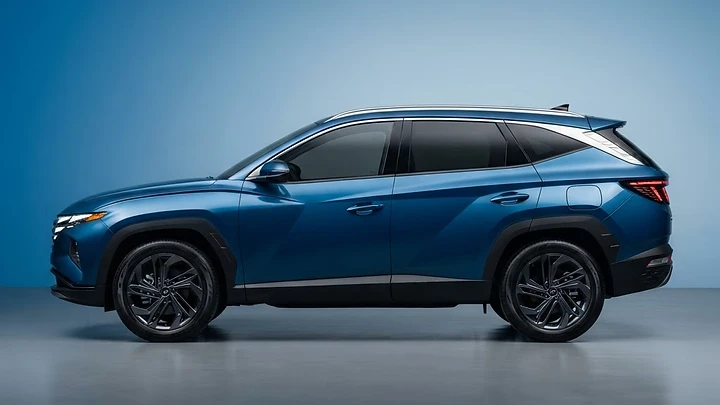
Crash Avoidance: Beyond the Marketing Hype We often hear about 'Advanced Driver Assistance Systems' (ADAS) in glossy brochures, but what do they actually do?
At their core, these systems are designed to bridge the gap between human reaction time and the physics of a collision. Automatic Emergency Braking (AEB) is the standout hero here. By using radar and cameras to monitor the road, these systems can apply the brakes faster than any human foot ever could. While some critics argue that these systems add unnecessary complexity and repair costs, the data is clear: vehicles equipped with effective crash-avoidance tech have significantly lower crash rates. When you are looking at a vehicle like the 2026 Toyota Camry, you are paying for a system that has been rigorously tested against passenger cars, motorcycles, and even semi-trucks. 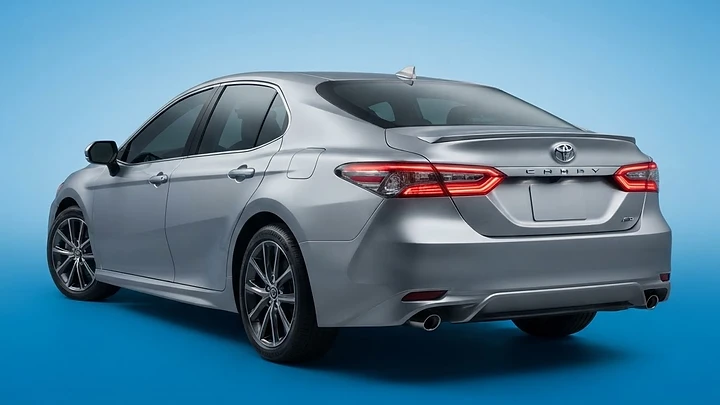

Balancing Safety and Budget Transparency It is a common misconception that you must spend $50,000 to get a safe car.
In reality, the 2026 market is filled with affordable options that prioritize your family's well-being. The Kia K4, for instance, starts at just over $22,000 and still manages to earn top-tier safety ratings. When you are at the dealership, do not let the salesperson upsell you on 'safety packages' that are already standard on lower trims. Always check the IIHS website to see if the specific trim you are considering includes the necessary hardware for those top-rated crash-avoidance scores. Remember, safety should be a baseline, not a luxury add-on. 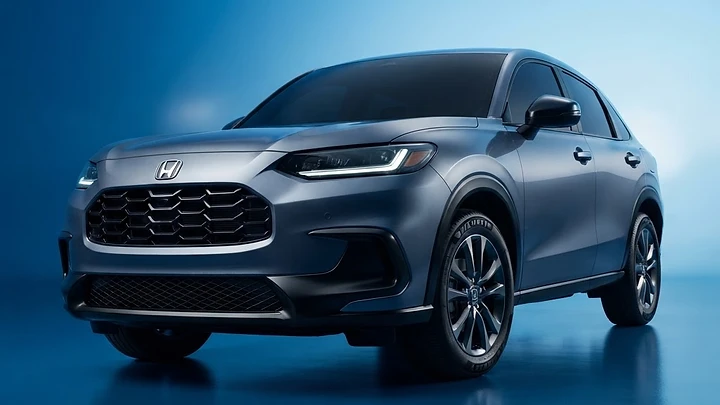

The Human Element: You Are Still the Pilot While the technology in a 2026 vehicle is awe-inspiring, it is vital to remember that these systems are assistive, not autonomous.
You are still the pilot. Features like lane departure warnings and blind-spot monitoring are there to support your awareness, not replace it. The most effective safety feature in any car remains a focused, alert driver. Use these tools to enhance your driving experience, but never rely on them to do the work for you. The goal is to use technology to create a safety net, allowing you to enjoy the freedom of the open road with peace of mind. 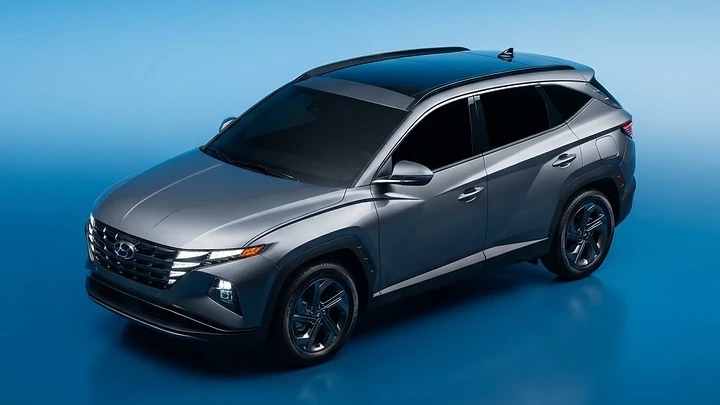

Frequently Asked Questions
Are advanced safety features standard on all 2026 models?
Not necessarily. While many manufacturers are making them standard to meet IIHS requirements, some base trims may still lack certain advanced features. Always verify the specific equipment list for your chosen trim. #
Do safety systems increase my insurance premiums?
While the technology itself can be expensive to repair, many insurance providers offer discounts for vehicles equipped with advanced safety features because they reduce the frequency and severity of claims. #
Is it worth paying extra for a 'Top Safety Pick+' vehicle?
If you prioritize family safety, the answer is almost always yes. These vehicles have undergone the most rigorous testing and offer the best protection in the event of a collision. #
Can I turn off these safety systems if I find them annoying?
Most systems, such as lane-keeping assist, can be adjusted or turned off, but it is generally recommended to keep them active. They are designed to be unobtrusive until they are truly needed.
The Bottom Line When buying a car in 2026, prioritize vehicles that have earned the IIHS Top Safety Pick or Top Safety Pick+ designation.
Focus on models where crash-avoidance tech is standard, such as the 2026 Honda HR-V or the 2026 Hyundai Sonata. By choosing a vehicle that balances proven crashworthiness with modern, standard safety tech, you are making a smart, long-term investment in your family's security. Don't be swayed by dealership pressure; stick to the data, choose the safety features that matter, and drive with the confidence that your vehicle is working as hard as you are to keep everyone safe.
The cars in this story
The real price and honest verdict on each one
- 2026 Toyota CamryMid-Size Sedan · from $28,850
- 2026 Hyundai TucsonCompact SUV · from $29,450
- 2026 Honda HR-VSubcompact SUV · from $26,200
- 2026 Hyundai SonataMid-Size Sedan · from $27,450
More car news

Safest Cars 2026: The Honest Buyer’s Guide to Protection
Buying a safe car in 2026? Discover how to navigate crash ratings, essential safety tech, and the models that offer the best protection for your family.

2026 Car Safety Tech: What Actually Keeps You Safe?
Confused by 2026 car safety tech? We break down what features actually save lives, which are worth the upgrade, and how to choose the safest car for your family.

Safest Family Cars 2026: The Honest Guide to Car Seat Fit
Finding the safest family car in 2026 goes beyond crash ratings. We break down which vehicles actually make installing car seats easy and stress-free.