2026 Car Safety Tech: What Actually Keeps You Safe?
Confused by 2026 car safety features? We break down which advanced driver assistance systems are worth the cost and which ones you actually need.
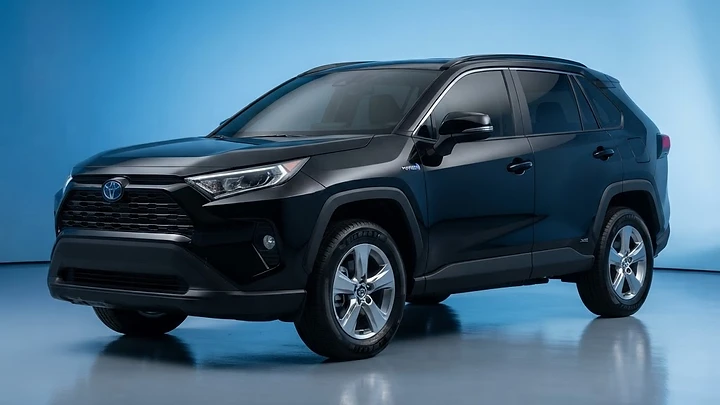
There is a profound, almost cinematic beauty in the way modern engineering protects us. Imagine driving down a winding coastal highway at dusk, the horizon painted in hues of violet and gold, knowing that your vehicle is silently, tirelessly watching the road alongside you. It is a level of peace of mind that transforms a simple commute into a journey of pure confidence. As we navigate the 2026 automotive landscape, the sheer volume of acronyms—AEB, LKA, BSM—can feel overwhelming. At Carummah, we believe you shouldn't have to be an engineer to understand how your car keeps your family safe.
The Foundation: Essential Safety Tech for 2026 In 2026, the baseline for safety has shifted significantly.
Automatic Emergency Braking (AEB) is no longer a luxury; it is the industry standard. This technology, which can reduce rear-end collisions by up to 50%, is the silent guardian of the modern road. When you are shopping for a vehicle like the 2026 Toyota RAV4 or the 2026 Honda CR-V, you will find that these systems are standard equipment. They don't just react; they anticipate, applying pressure to the brakes the millisecond a hazard is detected. It is a remarkable feat of physics and software working in harmony to protect what matters most. 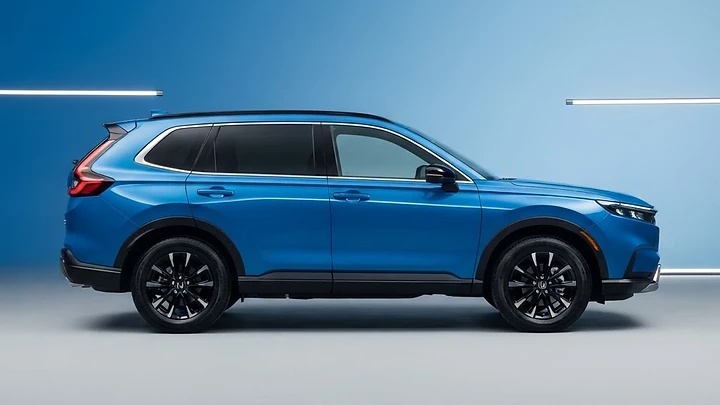
Beyond the Basics: Lane Assistance and Blind Spot Monitoring While AEB handles the "what if" scenarios, systems like Lane Keeping Assist (LKA) and Blind Spot Monitoring (BSM) manage the "what now." LKA is particularly impressive; it doesn't just warn you if you drift—it provides gentle, corrective steering input to keep you centered. For families spending hours on the interstate, this reduces driver fatigue significantly. Meanwhile, Blind Spot Monitoring has evolved to include rear-facing cameras that provide a clear view of your surroundings, effectively eliminating the stress of merging in heavy traffic. 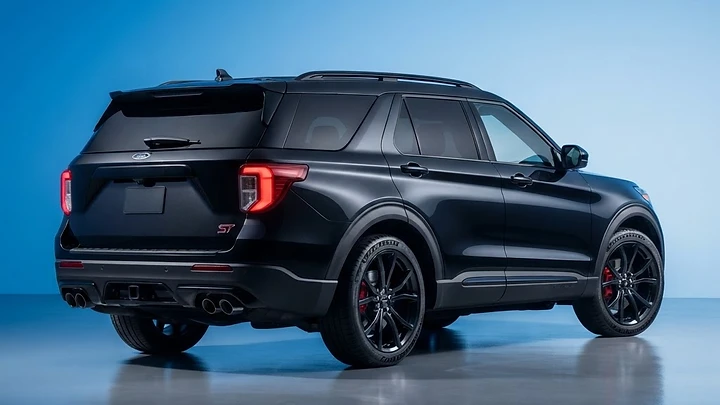

The 360-Degree View: Parking Made Effortless One of the most transformative features in 2026 is the 360-degree surround-view camera system.
Whether you are maneuvering a large SUV like the 2026 Ford Explorer into a tight urban parking spot or navigating a crowded school pickup line, this tech provides a panoramic, real-time look at your vehicle's perimeter. It removes the guesswork and the anxiety of tight spaces, allowing you to park with the precision of a professional. It is a feature that, once you have used it, you will find impossible to live without. 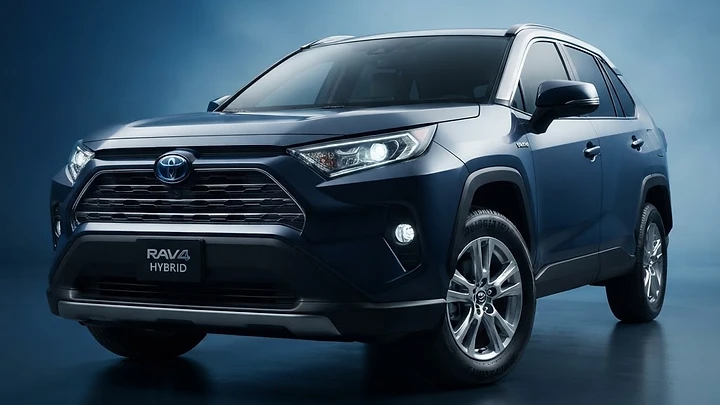

Understanding the Limits of Driver Assistance It is vital to remember that these systems are "assistive," not "autonomous." You are the pilot. Technologies like adaptive cruise control and lane centering are designed to support your focus, not replace it. Even in the most advanced vehicles, the human element remains the most critical safety component. Always treat these systems as a safety net, not a substitute for attentive driving. When you are evaluating a vehicle's safety, look for the "Safety Verdict" from independent testers, which considers not just the tech, but how it performs in real-world, high-stress scenarios. 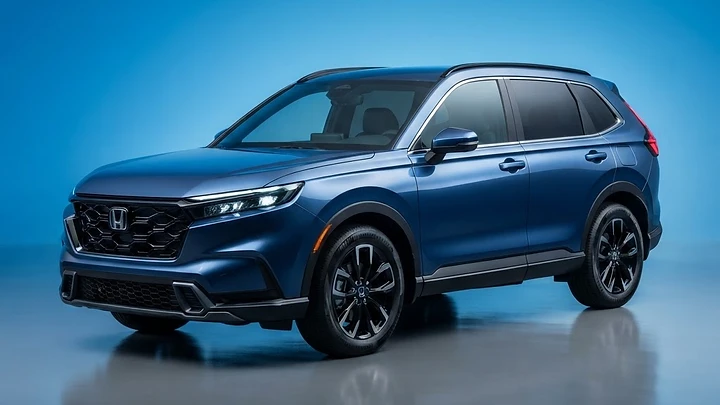

Frequently Asked Questions
Is lane keeping assist better than lane departure warning?
Yes. While lane departure warning only alerts you to a drift, lane keeping assist actively steers the vehicle back into the lane, providing a higher level of intervention. #
Do I need to pay extra for safety features in 2026?
Most core safety features like AEB and electronic stability control are now standard. However, advanced features like 360-degree cameras or lane change assist may still be bundled into higher trim levels or technology packages. #
What is Automatic Crash Notification (ACN)?
ACN is a life-saving feature that automatically contacts emergency services if your vehicle's sensors detect a collision, providing your location even if you are incapacitated. #
Are these safety systems worth the higher vehicle price?
Given the potential to prevent millions of injuries and crashes, most experts agree that the investment in advanced driver assistance systems provides significant long-term value and peace of mind.
The Bottom Line When shopping for your next vehicle, prioritize the "Big Three": Automatic Emergency Braking, Blind Spot Monitoring, and Lane Keeping Assist.
These features offer the highest return on investment for your safety. If your budget allows, the 360-degree camera system is the single most useful tool for daily convenience and accident prevention. Remember, the best safety feature is a well-maintained vehicle and an alert driver—let the technology handle the rest.
The cars in this story
The real price and honest verdict on each one
- 2026 Honda CR-VCompact SUV · from $30,920
- 2026 Ford ExplorerMid-Size SUV · from $38,465
- 2026 Toyota RAV4Compact SUV · from $31,900
- 2026 Honda PilotMid-Size SUV · from $42,195
More car news

Safest Cars 2026: The Honest Buyer’s Guide to Protection
Buying a safe car in 2026? Discover how to navigate crash ratings, essential safety tech, and the models that offer the best protection for your family.

2026 Car Safety Tech: What Actually Keeps You Safe?
Confused by 2026 car safety tech? We break down what features actually save lives, which are worth the upgrade, and how to choose the safest car for your family.

Safest Family Cars 2026: The Honest Guide to Car Seat Fit
Finding the safest family car in 2026 goes beyond crash ratings. We break down which vehicles actually make installing car seats easy and stress-free.