2026 Car Safety Tech: What Actually Keeps You Safe?
Confused by 2026 car safety tech? We cut through the marketing hype to explain which driver-assistance features actually protect you and your family on the road.
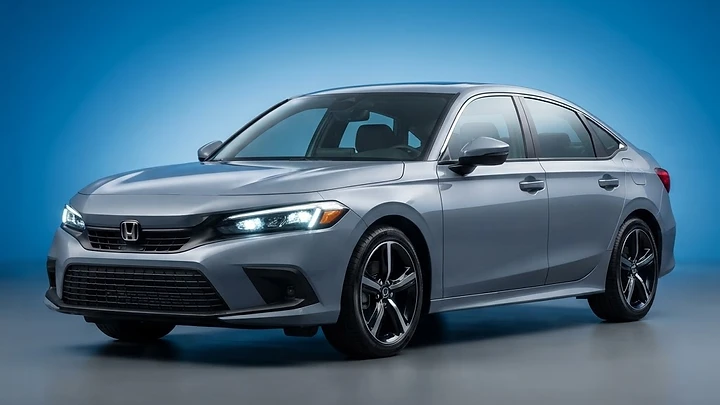
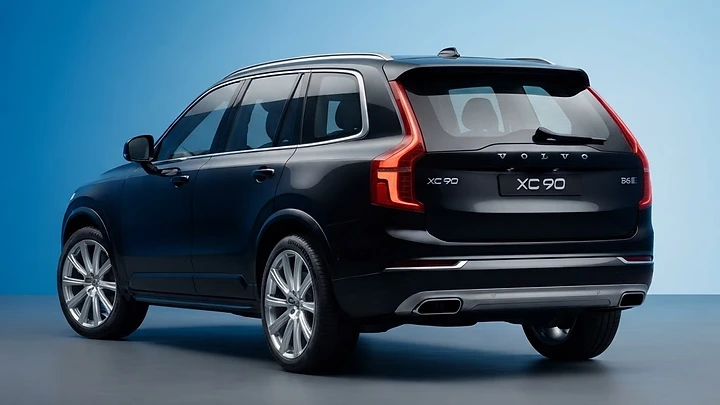
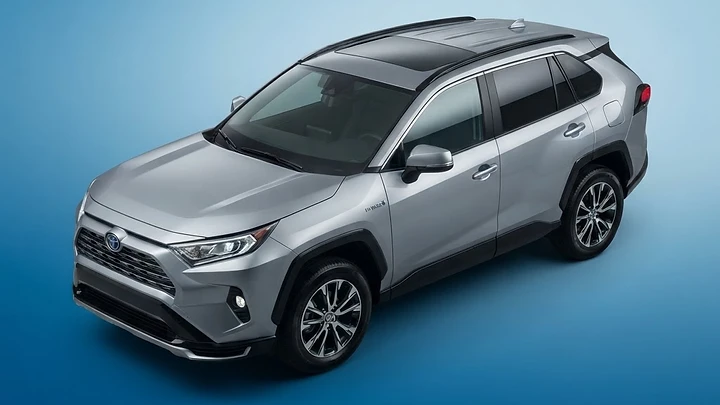
There is a profound sense of wonder in the modern automobile. When you slide behind the wheel of a 2026 model, you are not just sitting in a machine; you are commanding a sophisticated network of sensors, cameras, and processors designed to act as a silent guardian. As you merge onto a sun-drenched highway, the hum of the engine and the smooth response of the steering remind us of the incredible engineering marvels that make our daily journeys possible. Yet, for the modern American car buyer, the sheer volume of acronyms—ADAS, AEB, LKA, DMS—can feel overwhelming. At Carummah, we believe your safety shouldn't be a guessing game. Understanding 2026 car safety tech requires looking past the glossy brochures and into the reality of how these systems function. Since 2026, Automatic Emergency Braking (AEB) has become a federal mandate on all new passenger vehicles. This is a massive win for consumer safety, as these systems can reduce rear-end collisions by roughly 50%. However, not all AEB systems are created equal. While the base system on a $25,000 compact sedan like the 2026 Honda Civic will stop you in time for a car, premium systems found in vehicles like the 2026 Volvo XC90 or the 2026 Toyota RAV4 often include pedestrian, cyclist, and even large animal detection. When shopping, always verify if the safety suite is standard across all trims or if it is locked behind a 'premium' package that can add $1,200 to $3,500 to your bottom line. 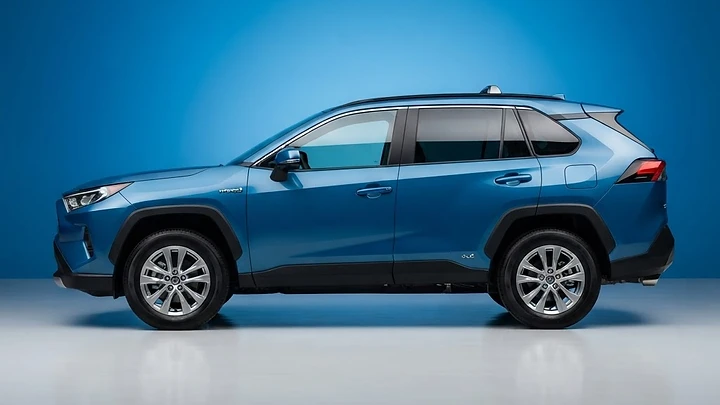 Beyond the basics, we are seeing a surge in Driver Monitoring Systems (DMS). These systems use infrared cameras to track your eye movement and head position, ensuring you remain focused on the road. While some drivers find this intrusive, the data suggests it is a vital tool for preventing fatigue-related accidents. If you are a parent looking for a family vehicle, prioritize models that offer robust LATCH anchor accessibility alongside these active safety features. A car that can steer itself back into a lane is impressive, but a car that makes securing a child seat effortless is a daily safety win.
 When comparing vehicles, do not rely solely on the NHTSA 5-star rating. While the government's star system is a great baseline, the IIHS (Insurance Institute for Highway Safety) often conducts more rigorous 'small overlap' front crash tests that reveal structural weaknesses other tests miss. For the ultimate peace of mind, look for a vehicle that holds both a 5-star NHTSA rating and an IIHS Top Safety Pick+ designation. Remember, safety tech is integrated into the vehicle's hardware architecture at the factory; you cannot simply add a better blind-spot monitor later.
 Finally, consider the long-term ownership value of these systems. While the upfront cost of a fully loaded safety package might seem steep, many insurance carriers now offer discounts for vehicles equipped with advanced ADAS. Furthermore, a car with a comprehensive safety suite generally holds its resale value better than a base model stripped of these modern essentials. When you test drive, ask the dealer to demonstrate the lane-centering and adaptive cruise control. Does the steering feel natural, or does it 'ping-pong' between the lines? A system that feels intuitive is one you will actually use, and that is the most important safety feature of all.


Frequently Asked Questions
Do all 2026 vehicles come with automatic emergency braking?
Yes, as of 2026, AEB is federally mandated on all new passenger vehicles sold in the United States. However, the performance, such as detection range and speed thresholds, varies significantly between base and premium configurations. #
Is a 5-star NHTSA rating enough to guarantee safety?
Not necessarily. NHTSA ratings provide a solid baseline, but they do not cover every crash scenario. For the safest choice, look for a vehicle that also earns an IIHS Top Safety Pick+ award, which includes more demanding crash tests. #
Can I add advanced safety features to my car later?
Generally, no. Most advanced driver-assistance systems (ADAS) are deeply integrated into the vehicle's electronic architecture and sensors at the factory. You should select the safety features you want at the time of purchase. #
How do I know if a safety system is active or just a warning?
Check the owner's manual or the vehicle's settings menu. Some systems, like lane-keep assist, can be configured to provide only a haptic warning (vibration) or to provide active steering support. Always test these settings during your test drive.
The Bottom Line When buying a car in 2026, prioritize the 'Big Three' of safety: standard AEB, blind-spot monitoring, and lane-keep assist.
If you are shopping for a family, add rear-seat occupant alerts and easy-access LATCH points to your must-have list. Don't be swayed by the promise of 'full autonomy'—these are driver-assistance tools, not replacements for your attention. Choose a vehicle with high IIHS and NHTSA marks, ensure the safety suite is standard on your chosen trim, and you will be driving one of the safest vehicles ever produced.
The cars in this story
The real price and honest verdict on each one
Every model, side by sideMore car news

Dash Cams 2026: The Honest Buyer’s Guide to Road Protection
Are dash cams worth it in 2026? We break down the real-world benefits, costs, and what you need to know to protect your vehicle and your wallet on the road.

Car Emergency Kit: The 2026 Honest Buyer’s Safety Guide
Don't get stranded. Discover the essential items for your 2026 car emergency kit to ensure safety, peace of mind, and readiness for any road trip adventure.

Safest Cars 2026: The Honest Buyer’s Guide to Protection
Buying a safe car in 2026? Discover how to navigate crash ratings, essential safety tech, and the models that offer the best protection for your family.