Car Emergency Kit: The 2026 Honest Buyer’s Safety Guide
Don't get stranded. Discover the essential items for your 2026 car emergency kit to ensure safety, peace of mind, and readiness for any road trip adventure.
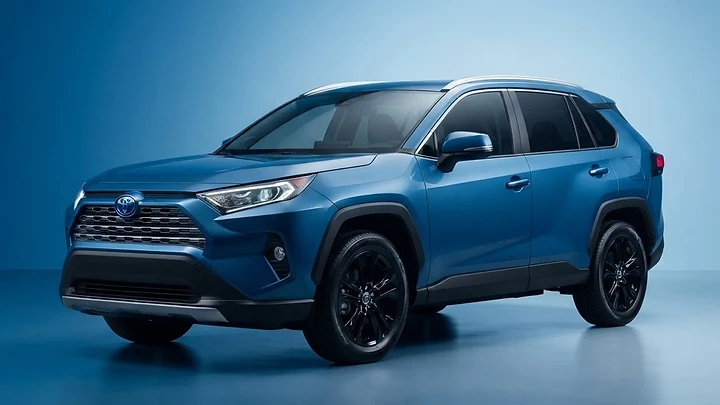
Imagine the sun dipping below the horizon, painting the sky in hues of violet and gold as you cruise down a winding mountain pass. The hum of your engine is a steady, reassuring heartbeat, and the open road stretches out like a promise of discovery. This is the magic of driving—the freedom to explore, to connect, and to experience the world on your own terms. Yet, even in the most modern 2026 vehicles, the unexpected can happen. A sudden drop in temperature, a stray nail on a lonely stretch of highway, or a battery that decides it has had enough can turn a dream drive into a stressful ordeal. Being prepared isn't about fear; it is about empowerment. By curating a thoughtful car emergency kit, you ensure that your vehicle remains a sanctuary of safety, no matter where the journey takes you.
Why Every Driver Needs a Preparedness Kit In 2026, our cars are marvels of engineering, from the efficient hybrid powertrains in a 2026 Toyota RAV4 to the sophisticated safety suites in a 2026 Honda CR-V.
However, technology cannot prevent every flat tire or dead battery. A well-stocked emergency kit is your first line of defense. It transforms a potential crisis into a manageable inconvenience. Whether you are navigating a daily commute or embarking on a cross-country road trip, having the right tools allows you to handle minor repairs independently, saving you time and the frustration of waiting for roadside assistance in remote areas. 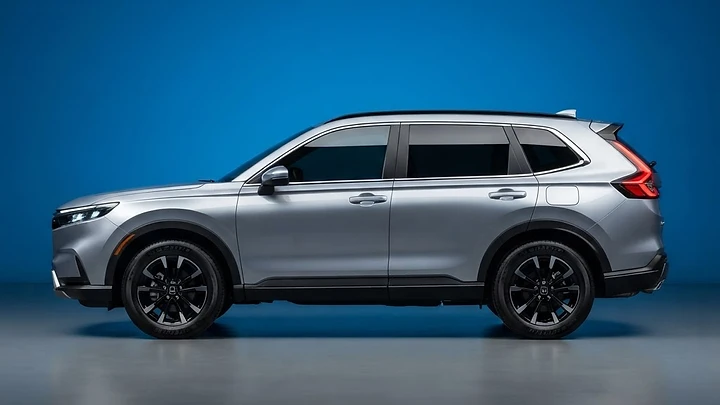
The Core Essentials for Roadside Safety When building your kit, start with the basics that address the most common roadside issues.
First, prioritize visibility and signaling. A set of reflective triangles or high-intensity LED road flares is non-negotiable for nighttime safety. Next, include a high-quality jumper cable set or, better yet, a portable lithium-ion jump starter. Modern jump starters are compact, powerful, and can often charge your phone as well. For tire issues, a portable 12V air compressor is a game-changer. Many 2026 models, like the Ford F-150, offer onboard power outlets that make running these tools incredibly convenient. 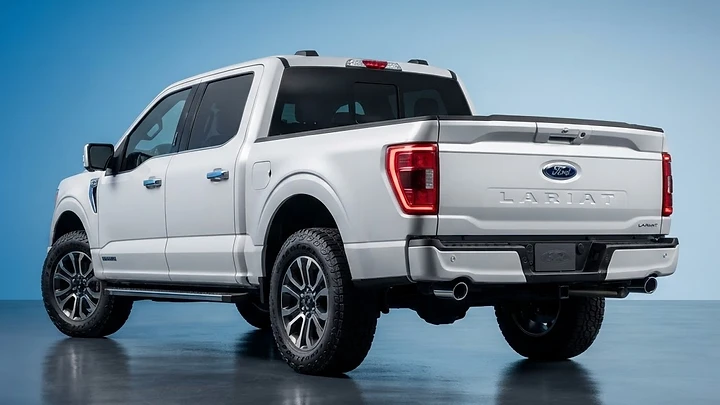

Tools and Supplies for Minor Repairs You don't need to be a master mechanic to handle basic roadside fixes.
A multi-tool with pliers, a knife, and screwdrivers is essential. Keep a roll of high-quality duct tape and a few zip ties in your trunk—these simple items can secure a loose bumper or hold a temporary patch in place until you reach a service center. Additionally, keep a small container of spare fuses that match your vehicle's specifications. Checking your owner's manual to identify which fuses control critical systems like your headlights or fuel pump can save you hours of waiting. 

Climate-Specific Preparedness Your kit should evolve with the seasons and your geography.
If you live in or travel through snowy regions, a collapsible shovel, a bag of sand or kitty litter for traction, and a heavy-duty wool blanket are vital. In warmer climates, prioritize hydration. Keep a few gallons of water and non-perishable snacks like protein bars in your trunk. Remember that extreme heat can degrade some supplies, so rotate your kit contents every six months to ensure everything remains in working order. 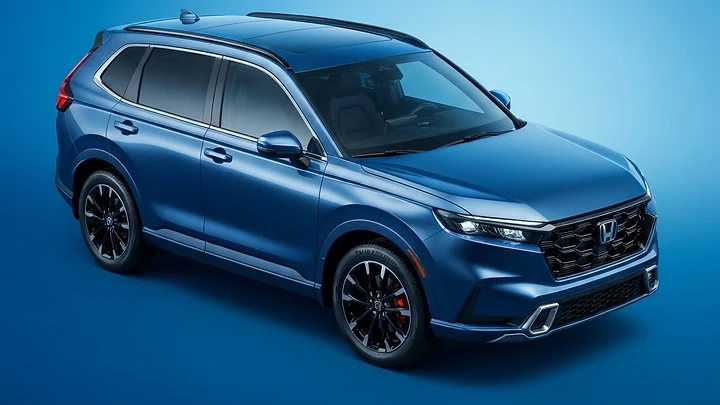

Frequently Asked Questions
How often should I check my car emergency kit?
You should inspect your kit at least twice a year, ideally during your seasonal tire rotation. Check expiration dates on food and water, test your flashlight batteries, and ensure your jump starter is fully charged. #
Do I really need a physical map in 2026?
Yes. While GPS is reliable, cellular service can be non-existent in remote areas. A physical road atlas of your state or region is a lightweight, fail-safe backup that never runs out of battery. #
What is the most important item in an emergency kit?
While tools are important, a first-aid kit is the most critical item. Ensure it includes bandages, antiseptic wipes, gauze, and basic pain relievers to handle minor injuries while you wait for help. #
Should I keep a fire extinguisher in my car?
It is highly recommended. A small, automotive-rated fire extinguisher can prevent a minor electrical short from becoming a total vehicle loss. Ensure it is securely mounted so it doesn't become a projectile during a sudden stop.
The Bottom Line Building a car emergency kit is an investment in your peace of mind.
By spending roughly $150 to $250 on quality, reliable gear, you are buying the confidence to handle the unexpected. Focus on high-quality, durable items rather than the cheapest options, as these tools need to work when you are at your most vulnerable. Keep your kit organized in a dedicated bag in your trunk, and you will be ready to face any road with the calm assurance of a prepared driver.
The cars in this story
The real price and honest verdict on each one
- 2026 Honda CR-VCompact SUV · from $30,920
- 2026 Ford F-150Full-Size Pickup · from $39,330
- 2026 Toyota RAV4Compact SUV · from $31,900
- 2026 Lucid AirLuxury Electric Sedan · from $70,900
More car news

Dash Cams 2026: The Honest Buyer’s Guide to Road Protection
Are dash cams worth it in 2026? We break down the real-world benefits, costs, and what you need to know to protect your vehicle and your wallet on the road.

Safest Cars 2026: The Honest Buyer’s Guide to Protection
Buying a safe car in 2026? Discover how to navigate crash ratings, essential safety tech, and the models that offer the best protection for your family.

2026 Car Safety Tech: What Actually Keeps You Safe?
Confused by 2026 car safety tech? We break down what features actually save lives, which are worth the upgrade, and how to choose the safest car for your family.