Dash Cams 2026: The Honest Buyer’s Guide to Road Protection
Are dash cams worth it in 2026? We break down the real-world benefits, costs, and what you need to know to protect your vehicle and your wallet on the road.
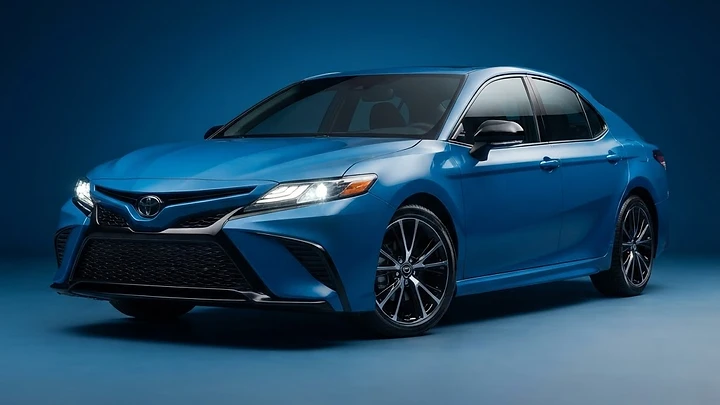
There is a specific kind of silence that falls over a driver when the unexpected happens—the screech of tires, the crunch of metal, and the sudden, heart-stopping realization that your word is now against someone else’s. In 2026, the open road remains a place of wonder and freedom, but it is also a place of uncertainty. A high-quality dash cam acts as your silent, unwavering witness, capturing the truth of every mile. Whether you are navigating the daily commute in a reliable 2026 Toyota Camry or taking a weekend adventure in a 2026 Ford F-150, having a digital record of your journey is no longer just a tech enthusiast’s hobby; it is a fundamental layer of modern automotive security.
Why Every Driver Needs a Digital Witness The primary value of a dash cam is simple: evidence.
In the event of a collision, a dash cam provides objective, timestamped, and location-tagged footage that can be the difference between a clear-cut insurance claim and a protracted legal battle. While many modern vehicles like the 2026 Hyundai Ioniq 5 come equipped with advanced driver-assistance systems (ADAS), these sensors are designed to prevent accidents, not document them. A dedicated dash cam fills that gap. It is an insurance policy for your insurance policy, potentially saving you thousands in deductible costs and preventing unfair premium hikes caused by disputed fault. 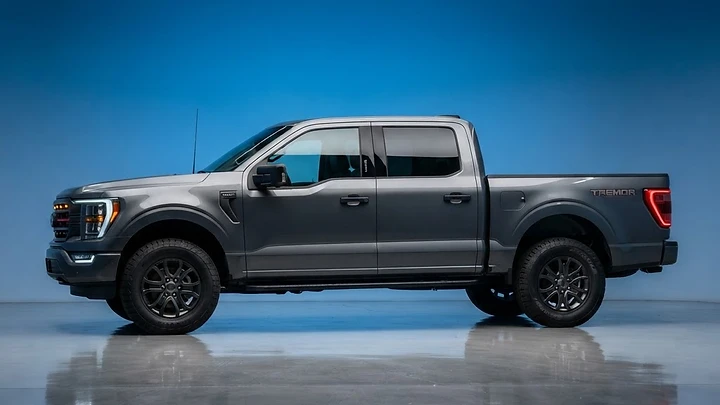
Front vs.
Rear: Choosing Your Coverage Level When shopping for a dash cam, the first decision is coverage. A single-channel, front-facing camera is the entry-level standard, typically costing between $80 and $150. These are excellent for capturing head-on collisions or traffic light disputes. However, for comprehensive protection, a dual-channel system—which includes a secondary camera for the rear window—is highly recommended. These kits, often priced between $130 and $300, capture rear-end collisions and hit-and-runs that occur while you are parked. If you frequently park in busy urban areas or leave your vehicle in public lots, the rear-facing perspective is invaluable. 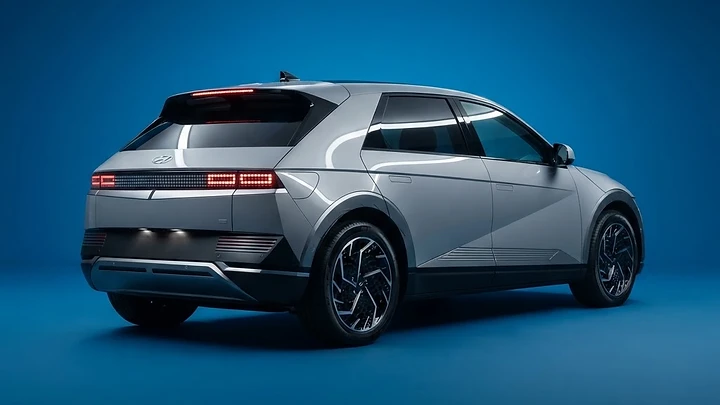

Understanding Resolution and Low-Light Performance You will see a lot of marketing around 4K resolution, but do not let the numbers distract you from the real metric: clarity.
A 1440p camera with a high-quality sensor, such as the Sony STARVIS 2, will often outperform a budget 4K camera in low-light conditions. When you are driving at night or through a tunnel, you need a camera that can resolve license plate numbers and road signs, not just capture a blurry image. Look for cameras that emphasize HDR (High Dynamic Range) to balance the harsh glare of oncoming headlights against the dark shadows of the roadside. 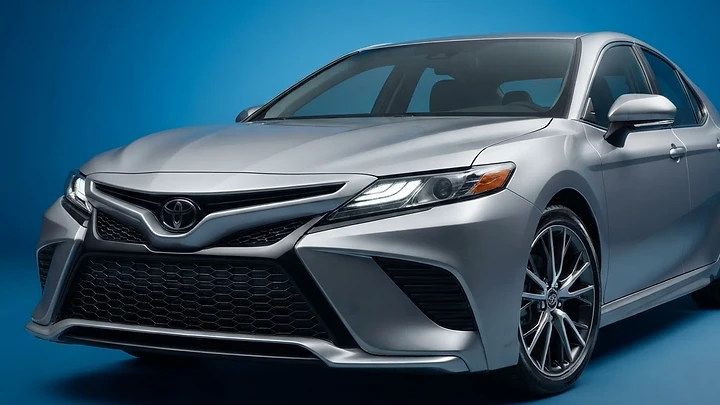

Installation: DIY vs.
Professional Help Installing a dash cam can be as simple as plugging a cable into your 12V accessory port, or as complex as hardwiring the unit into your vehicle’s fuse box for 24/7 parking surveillance. If you are comfortable with basic automotive trim removal, many modern kits include everything you need. However, if you are driving a premium vehicle or are concerned about voiding a warranty, a professional car audio shop can typically perform a clean, hidden installation for a reasonable fee. Remember, the goal is to keep your windshield clear and your view of the road unobstructed. 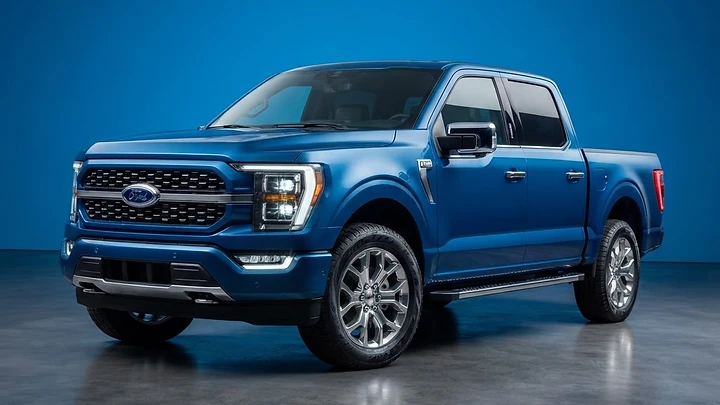

Frequently Asked Questions
Do dash cams lower my insurance premiums?
Most major U.S. insurers do not offer a direct discount for having a dash cam. However, the device pays for itself by protecting you from false liability claims, which can prevent your premiums from rising after an accident that wasn't your fault. #
Will a dash cam drain my car battery?
If you use a standard 12V plug, the camera will only record while the engine is running. If you choose to hardwire the camera for parking mode, ensure you use a kit with a voltage cutoff feature to prevent the camera from draining your battery below the level needed to start your car. #
Are dash cams legal in all states?
Yes, dash cams are legal in all 50 states, provided they do not obstruct the driver’s view of the road. Always check your local laws regarding windshield mounting positions to ensure you remain compliant. #
How often should I replace my memory card?
Dash cams write and overwrite data constantly, which wears out standard SD cards. Use a high-endurance microSD card specifically designed for dash cams and replace it every 12 to 18 months to ensure your footage is always saved correctly.
The Bottom Line A dash cam is one of the most practical investments you can make for your vehicle in 2026.
It provides peace of mind that no other accessory can match. For most buyers, a dual-channel 1440p system offers the best balance of price, performance, and protection. Don't wait for an incident to wish you had one; install a reliable system today and drive with the confidence that you are protected, no matter what the road throws your way.
The cars in this story
The real price and honest verdict on each one
Every model, side by sideMore car news

Car Emergency Kit: The 2026 Honest Buyer’s Safety Guide
Don't get stranded. Discover the essential items for your 2026 car emergency kit to ensure safety, peace of mind, and readiness for any road trip adventure.

Safest Cars 2026: The Honest Buyer’s Guide to Protection
Buying a safe car in 2026? Discover how to navigate crash ratings, essential safety tech, and the models that offer the best protection for your family.


2026 Car Safety Tech: What Actually Keeps You Safe?
Confused by 2026 car safety tech? We break down what features actually save lives, which are worth the upgrade, and how to choose the safest car for your family.