2026 Fuel-Efficient Cars: The Honest Buyer’s Guide
Searching for the best fuel-efficient cars in 2026? We break down the top hybrids and gas-sippers to help you save money at the pump without the sales pressure.
There is a quiet magic in the way a modern engine sips fuel, turning a simple commute into a masterclass of efficiency. As you watch the miles roll by, knowing your vehicle is working in perfect harmony with the road, you feel a sense of freedom that only true engineering excellence can provide. In 2026, the landscape of fuel economy has shifted dramatically, offering American buyers more choices than ever to balance their budget with their lifestyle. Whether you are navigating the urban sprawl or embarking on a cross-country adventure, choosing the right vehicle is about more than just a number on a window sticker—it is about reclaiming your time and your hard-earned money.
The Rise of the Hybrid Revolution In 2026, hybrid technology has moved from a niche interest to the gold standard for efficiency.
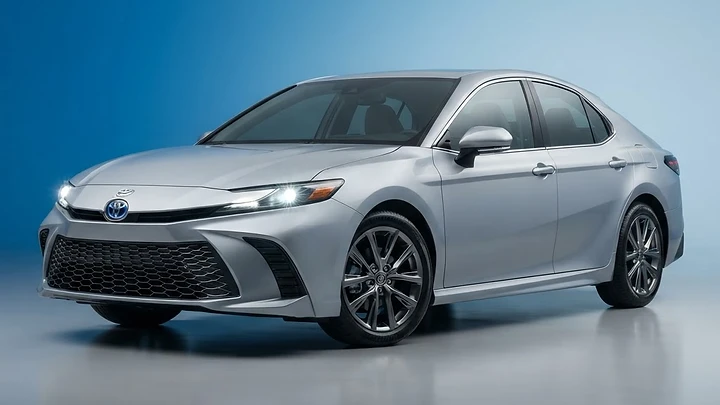
Models like the 2026 Toyota Camry, now exclusively available as a hybrid, prove that you no longer have to sacrifice comfort or performance to achieve stellar gas mileage. With EPA estimates often exceeding 50 mpg for compact sedans, these vehicles are designed to handle the rigors of daily life while keeping your fuel costs at an absolute minimum. For those who need more space, the 2026 Kia Sorento Hybrid offers a compelling case for families, proving that three-row SUVs can be both practical and remarkably frugal. 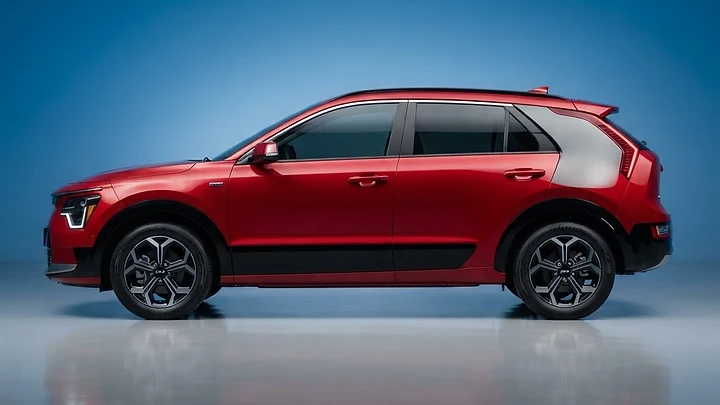
Compact Efficiency: Small Cars That Go the Distance If your priority is pure, unadulterated fuel economy, the compact segment remains the undisputed champion.
The 2026 Toyota Prius continues its legacy as a fuel-sipping icon, often reaching 57 mpg, while the 2026 Hyundai Elantra provides an affordable, high-efficiency option for budget-conscious buyers. These cars are not just about saving gas; they are about smart design. By focusing on aerodynamics and lightweight materials, manufacturers have created vehicles that feel nimble and responsive, making every drive a joy rather than a chore. 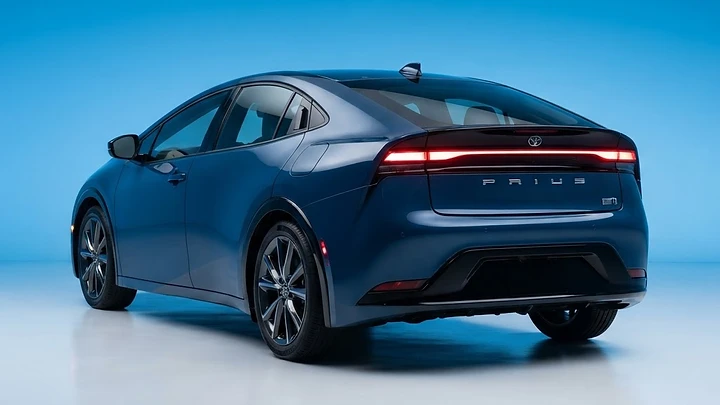

Fuel-Efficient SUVs for Every Lifestyle The demand for SUVs shows no sign of slowing, and thankfully, the 2026 market is packed with efficient options.
The 2026 Kia Niro Hybrid stands out as a leader, offering up to 53 mpg for those who want the utility of a crossover without the fuel penalty. Meanwhile, the 2026 Toyota Corolla Cross Hybrid provides a balanced approach, blending all-wheel-drive capability with impressive efficiency. When shopping for these vehicles, remember that trim levels and wheel sizes can impact your real-world results—always check the specific configuration before you sign the paperwork. 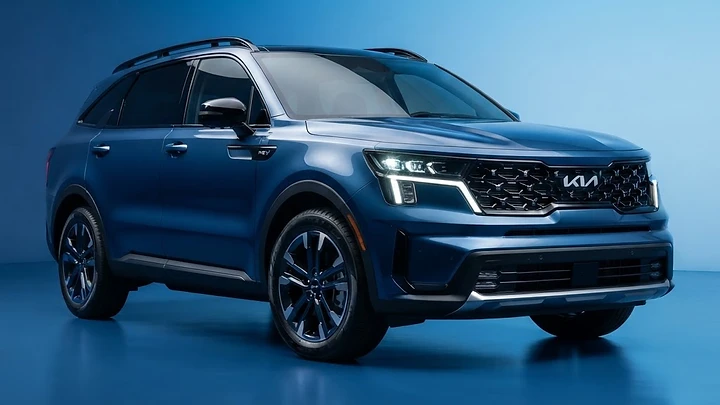

Real-World Tips to Maximize Your MPG Even the most efficient car can fall short if it is not driven with care.
Aggressive acceleration and heavy braking are the enemies of fuel economy, often reducing your efficiency by 10% to 40% in stop-and-go traffic. To get the most out of your 2026 model, try to maintain steady speeds and combine your errands into single, multipurpose trips. A warmed-up engine is significantly more efficient than one that has been sitting in the cold, so planning your day effectively can lead to substantial savings over the life of your vehicle. 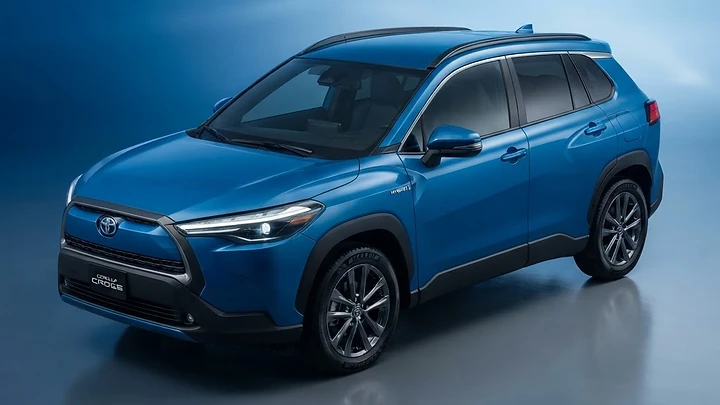

Frequently Asked Questions
Does the EPA estimate always match real-world fuel economy?
Not always. EPA tests model an average driver's behavior. Factors like aggressive driving, extreme weather, and heavy cargo loads can lower your actual mileage compared to the window sticker. #
Are hybrid batteries expensive to replace?
While hybrid batteries are designed to last the life of the vehicle, replacement costs have decreased significantly as technology has matured. Most manufacturers offer long-term warranties to provide peace of mind. #
Is a plug-in hybrid (PHEV) better than a standard hybrid?
It depends on your charging access. If you can charge at home, a PHEV allows for short, all-electric trips, which can drastically reduce your gas consumption. If you cannot charge, a standard hybrid is often the more convenient and cost-effective choice. #
Do larger wheels affect fuel economy?
Yes. Larger wheels and tires often increase rolling resistance and weight, which can lower your combined mpg. For maximum efficiency, stick to the manufacturer's base wheel size.
The Bottom Line Choosing a fuel-efficient vehicle in 2026 is one of the smartest financial moves you can make.
Whether you choose the proven reliability of a Toyota hybrid or the value-packed efficiency of a Hyundai, the key is to prioritize your specific needs—be it cargo space, daily commuting, or long-distance comfort. Do your research, test drive the models that fit your budget, and don't be afraid to walk away if the numbers don't add up. Your perfect, efficient ride is out there, waiting to take you further for less.
The cars in this story
The real price and honest verdict on each one
- 2026 Kia NiroCompact SUV · from $26,990
- 2026 Kia SorentoMid-Size SUV · from $31,990
- 2026 Toyota PriusCompact Sedan · from $28,550
- 2026 Toyota CorollaCompact Sedan · from $22,475
More car news

2026 Fuel Economy: The Honest Guide to Real-World Savings
Tired of inflated MPG claims? Discover the most fuel-efficient 2026 vehicles and learn how to maximize your real-world gas mileage without the dealership hype.

2026 Fuel Economy: The Honest Guide to Real-World Savings
Tired of gas station sticker shock? Discover the most fuel-efficient 2026 vehicles and learn how to maximize your real-world MPG without the dealership hype.

Mastering Fuel Economy: The 2026 Honest Efficiency Guide
Stop overpaying at the pump. Discover how 2026 driving habits, maintenance, and vehicle choices can slash your fuel costs and maximize your real-world MPG.