2026 Hybrid Buying Guide: Is a Hybrid Right for You?
Considering a 2026 hybrid? Discover if the fuel savings, maintenance costs, and driving experience make a hybrid the right choice for your next vehicle.
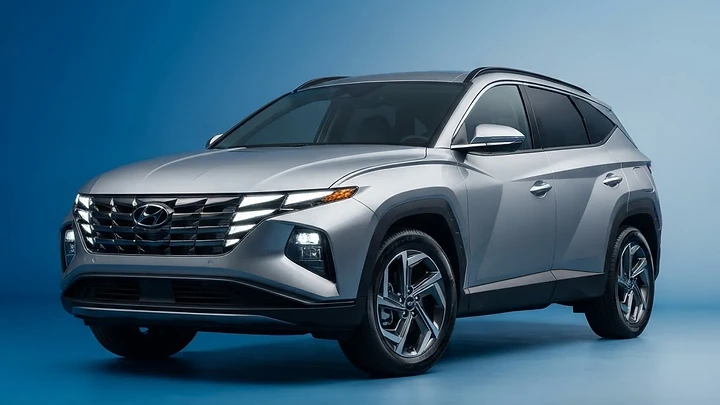
Imagine the silence of a crisp morning as you pull out of your driveway, the electric motor humming with a quiet, futuristic energy that feels like a secret between you and the road. As you merge onto the highway, the seamless transition to the gasoline engine provides a surge of power that makes every commute feel less like a chore and more like a journey. For the modern American driver, the 2026 hybrid market has evolved from a niche experiment into a sophisticated, reliable, and genuinely exciting reality. Whether you are looking to slash your monthly fuel budget or simply want a vehicle that bridges the gap between traditional combustion and the electric future, understanding the current landscape is your first step toward a smarter purchase.
Why 2026 Is the Year of the Hybrid The automotive industry has reached a tipping point where hybrid technology is no longer just about saving a few pennies at the pump; it is about engineering excellence.
In 2026, we are seeing a record number of hybrid options, from compact crossovers like the 2026 Hyundai Tucson Hybrid, which starts at an accessible $31,300, to high-performance luxury SUVs. The primary appeal remains the same: you get the convenience of a gas station with the efficiency of an electric motor. Unlike pure EVs, which require a shift in lifestyle regarding charging infrastructure, hybrids offer a 'have your cake and eat it too' scenario. You can drive across the country without a single charging anxiety-induced stop, yet enjoy the smooth, low-speed electric torque that makes city driving feel effortless. 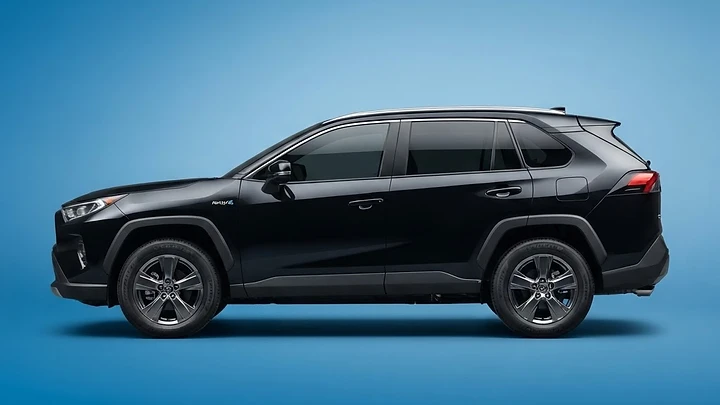
Real-World Maintenance and Long-Term Value One of the most common questions we hear at Carummah is whether the complexity of a hybrid leads to a nightmare at the service center.
The reality is often the opposite. Because of regenerative braking, your brake pads can last significantly longer than those on a standard gas vehicle. Furthermore, many hybrid systems are designed to reduce the strain on the internal combustion engine, often extending the intervals between oil changes. While it is true that a high-voltage battery replacement can cost between $3,000 and $6,000, these components are engineered to last the life of the vehicle. When you factor in the reduced wear and tear on the engine and the consistent fuel savings, the total cost of ownership often lands well below that of a traditional gas-only vehicle over a five-year period. 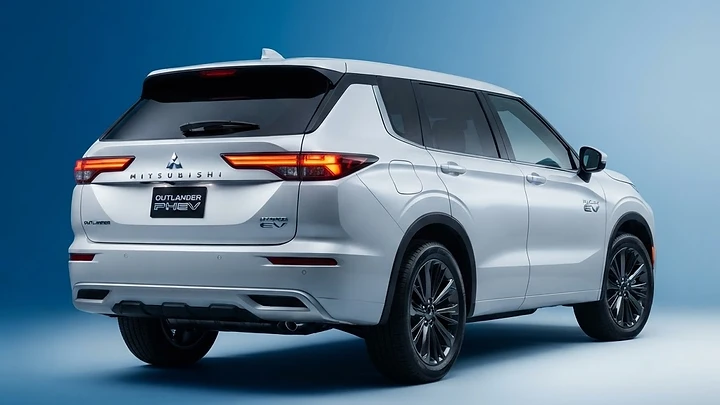

Choosing Between Hybrid and Plug-In Hybrid (PHEV) The terminology can be confusing, but the distinction is vital for your daily routine.
A standard hybrid, like the Toyota RAV4 Hybrid, charges its battery automatically while you drive. A Plug-In Hybrid (PHEV), such as the Mitsubishi Outlander PHEV, allows you to plug into a wall outlet to gain a dedicated electric-only range—often 20 to 50 miles. If you have a short commute and a place to charge at home, a PHEV can effectively turn your car into an EV for your daily errands, using zero gas for weeks at a time. If you live in an apartment or lack easy access to a charger, a standard hybrid remains the superior, hassle-free choice. 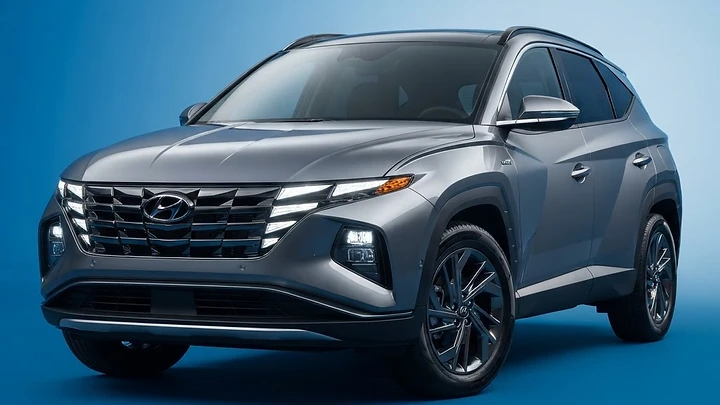

What to Look for During Your Test Drive When you head to the dealership, do not just look at the MPG sticker.
Pay attention to the 'hand-off'—the moment the car switches from electric power to gas power. In a well-engineered 2026 model, this transition should be nearly imperceptible. Test the braking feel as well; some hybrids have a 'grabby' or artificial pedal feel due to the regenerative system. A great hybrid should feel natural, responsive, and quiet. Check the cargo space, as some older hybrid designs sacrificed trunk room for battery placement, though most modern 2026 models have solved this by integrating batteries into the chassis floor. 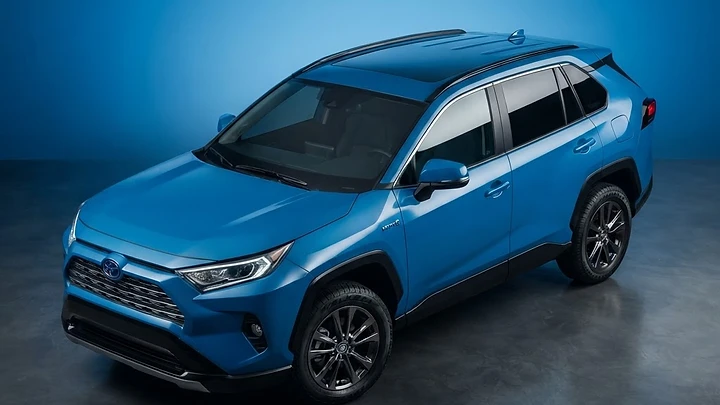

Frequently Asked Questions
Do hybrids require special gasoline?
No, the vast majority of 2026 hybrids, including the Hyundai Tucson Hybrid, are designed to run on standard 87-octane regular unleaded gasoline. #
How often do I need to service the hybrid battery?
Most manufacturers recommend a simple battery system check during your routine service visits, which typically costs between $100 and $200. The battery itself does not require 'maintenance' in the traditional sense. #
Are hybrids more expensive to insure?
Generally, no. While the purchase price might be slightly higher than a base gas model, insurance premiums are usually comparable, as safety ratings and repair costs for common accidents are similar to standard vehicles. #
Can I drive a hybrid in the rain or through a car wash?
Absolutely. Hybrid electrical systems are fully sealed and waterproof, designed to withstand the same conditions as any other vehicle on the road.
The Bottom Line If you are looking for a vehicle that balances reliability, fuel efficiency, and modern technology, the 2026 hybrid class is the sweet spot of the current market.
For most families, a standard hybrid offers the best value, providing significant fuel savings without the need for home charging infrastructure. We recommend prioritizing vehicles with a proven track record of reliability and a strong warranty, such as those from Toyota or Hyundai. Take your time, test drive multiple models, and remember: the right car is the one that fits your life, not just your budget.
The cars in this story
The real price and honest verdict on each one
- 2026 Mitsubishi OutlanderCompact SUV · from $29,995
- 2026 Toyota RAV4Compact SUV · from $31,900
- 2026 Hyundai TucsonCompact SUV · from $29,450
- 2026 Dodge ChargerSports Car · from $49,995
More car news

Hybrid vs Plug-in Hybrid: The 2026 Honest Buyer’s Guide
Confused by hybrid options? We break down the real-world costs, reliability, and driving habits to help you choose the right 2026 hybrid for your lifestyle.

Hybrid vs Gas: The 2026 Honest Buyer’s Guide to Savings
Is a hybrid worth the extra cost in 2026? We break down the real-world fuel savings, depreciation, and ownership costs to help you make the right choice.

Solar-Powered Cars: The 2026 Honest Buyer’s Reality Check
Are solar-powered cars worth the hype in 2026? We break down the reality of solar roofs, charging efficiency, and whether they actually save you money.