Hybrid vs Gas: The 2026 Honest Buyer’s Guide to Savings
Is a hybrid worth the extra cost in 2026? We break down the real-world fuel savings, depreciation, and ownership costs to help you make the right choice.
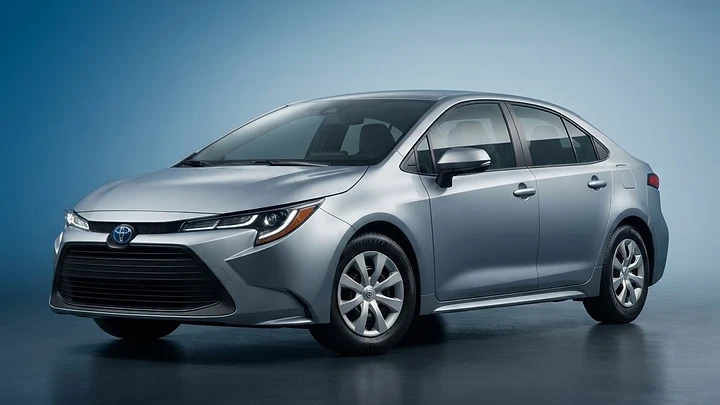
There is a quiet revolution happening on American roads. As you pull up to the pump, the numbers on the display seem to climb higher with every passing month, a stark reminder of the shifting global energy landscape. For many, the dream of the open road is now tempered by the reality of the fuel bill. Yet, there is a sense of wonder in modern engineering—the way a 2026 hybrid vehicle seamlessly blends the raw power of internal combustion with the silent, efficient grace of electric propulsion. It is not just about saving pennies; it is about reclaiming the freedom to explore without the constant anxiety of a rising cost-per-mile. Whether you are eyeing a reliable commuter or a family hauler, understanding the true financial footprint of your next vehicle is the first step toward true ownership confidence.
The Real Cost of the Hybrid Premium In 2026, the decision between a hybrid and a traditional gas-powered vehicle often comes down to a simple math problem: the 'hybrid premium.' Historically, manufacturers charged a significant markup for the hybrid powertrain. Today, that gap is narrowing, but it still exists. For instance, a 2026 Toyota Corolla Hybrid LE starts at approximately $25,970, while the gas-only LE model sits at $24,595. That is a roughly 5.5% price difference. While that might seem manageable, the real question is how long it takes for the fuel savings to pay back that initial investment. If you drive 15,000 miles a year, the 50 MPG of the hybrid versus the 34 MPG of the gas model creates a clear path to savings, but you must account for your specific driving habits—city dwellers will see that break-even point arrive much faster than those who spend their lives on the highway. 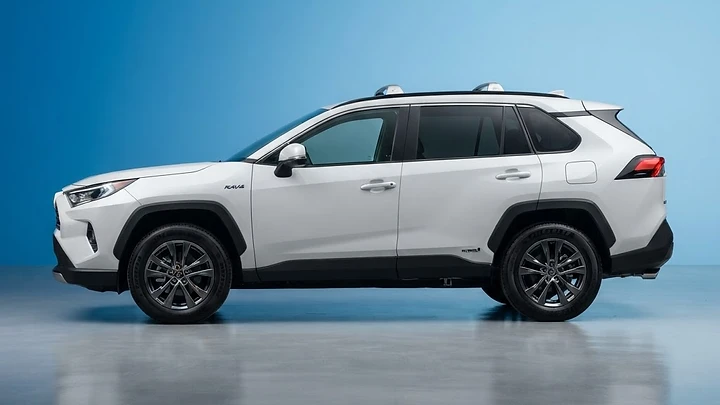
Depreciation: The Hidden Ownership Factor When we talk about the total cost of ownership, we often focus on the sticker price and the gas pump.
However, depreciation is the silent thief of your hard-earned money. In 2026, data shows that hybrids are holding their value exceptionally well. Because demand for fuel-efficient vehicles has surged following the recent global energy price spikes, the resale market for hybrids is robust. Conversely, while gas-powered vehicles remain the most popular choice—representing about 78% of the market—their depreciation curves are more predictable but often steeper than the most reliable hybrid models. When you buy a hybrid, you are essentially buying a hedge against future fuel volatility, which keeps your vehicle’s value more stable in the eyes of the secondary market. 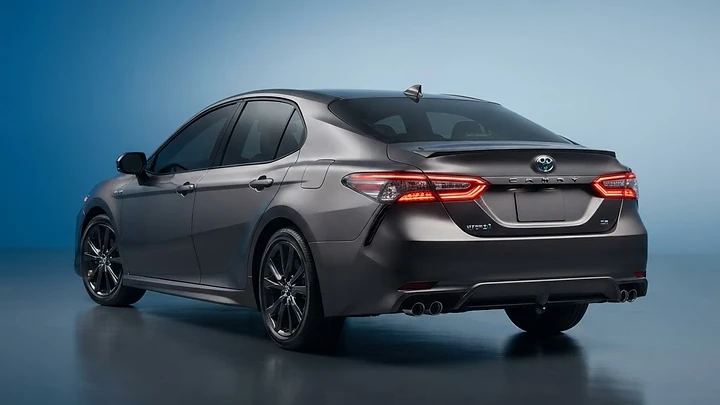

Maintenance and Long-Term Reliability One of the most common myths is that hybrids are more expensive to maintain because of their complex battery systems.
In reality, the opposite is often true. Because the electric motor handles the heavy lifting during stop-and-go traffic, the internal combustion engine experiences less wear and tear. Furthermore, regenerative braking systems significantly extend the life of your brake pads and rotors, a major maintenance expense for traditional gas cars. While the hybrid battery is a component that will eventually need attention, modern 2026 models come with extensive warranties that cover these systems for years, providing peace of mind that matches the efficiency of the powertrain. 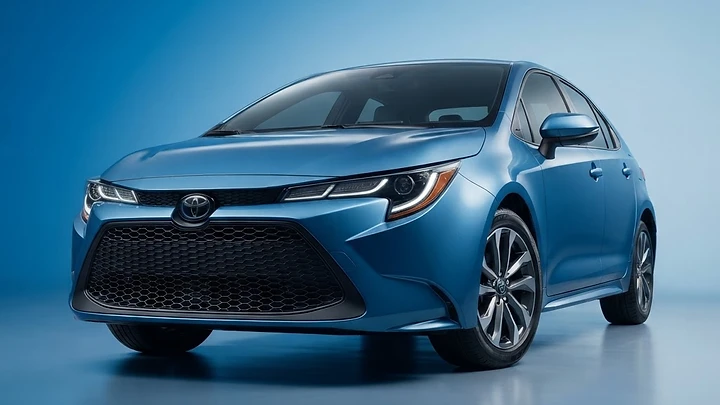

Frequently Asked Questions
Does a hybrid save money if I mostly drive on the highway?
While hybrids are most efficient in city stop-and-go traffic, they still offer better fuel economy than gas-only counterparts on the highway. However, the 'break-even' point for the higher purchase price will take longer to reach if your driving is exclusively highway-based. #
Are hybrid batteries expensive to replace?
Most 2026 hybrid batteries are designed to last the life of the vehicle. Manufacturers provide long-term warranties, often 8 to 10 years, which mitigates the risk of out-of-pocket replacement costs for the original owner. #
Do I need to change my driving habits for a hybrid?
Not at all. Unlike plug-in hybrids or full EVs, a standard hybrid requires no charging infrastructure. You drive it, fuel it, and maintain it exactly like a traditional gas car, making it the most seamless transition for the average buyer. #
Is insurance more expensive for a hybrid?
Generally, insurance premiums for hybrids are comparable to gas-powered vehicles. While some high-tech components can be costlier to repair, the overall safety ratings and reliability of modern hybrids often keep premiums competitive. 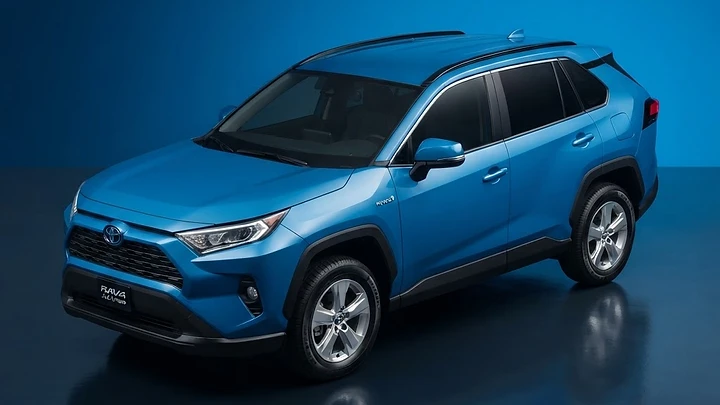

The Bottom Line Choosing between a hybrid and a gas car in 2026 is no longer about choosing between 'new tech' and 'proven reliability.' Both are now mature, dependable options. If you prioritize long-term savings, plan to keep your vehicle for more than five years, and do a significant amount of city or suburban driving, the hybrid is almost certainly the smarter financial move. It offers a buffer against gas price fluctuations and holds its value better than most gas-only alternatives. However, if your budget is extremely tight upfront or you drive very low annual mileage, a high-efficiency gas vehicle remains a perfectly honest, capable choice. At Carummah, we believe the best car is the one that fits your life without forcing you to compromise your financial future.
The cars in this story
The real price and honest verdict on each one
- 2026 Toyota RAV4Compact SUV · from $31,900
- 2026 Toyota CorollaCompact Sedan · from $22,475
- 2026 Toyota CamryMid-Size Sedan · from $28,850
- 2026 Chevrolet SuburbanFull-Size SUV · from $63,700
More car news

Hybrid vs Plug-in Hybrid: The 2026 Honest Buyer’s Guide
Confused by hybrid options? We break down the real-world costs, reliability, and driving habits to help you choose the right 2026 hybrid for your lifestyle.

Solar-Powered Cars: The 2026 Honest Buyer’s Reality Check
Are solar-powered cars worth the hype in 2026? We break down the reality of solar roofs, charging efficiency, and whether they actually save you money.

EVs as Power Banks: The 2026 Guide to Bidirectional Power
Turn your EV into a mobile power station. Learn how V2L, V2H, and V2G technology works in 2026 and which electric vehicles can power your life off-grid.