Hybrid vs Plug-in Hybrid: The 2026 Honest Buyer’s Guide
Confused by hybrid options? We break down the real-world costs, reliability, and driving habits to help you choose the right 2026 hybrid for your lifestyle.

There is a quiet magic in the way a modern hybrid glides away from a stoplight, the electric motor humming with silent, instant torque before the gasoline engine seamlessly joins the symphony. For the American driver, this isn't just about fuel economy; it is about the freedom to roam further, the peace of mind that comes with modern engineering, and the thrill of participating in a cleaner, more efficient future. As we navigate the 2026 market, the choice between a traditional hybrid and a plug-in hybrid (PHEV) has become one of the most significant decisions a buyer can make. It is a choice that defines your daily routine, your home infrastructure, and your long-term financial health.
Understanding the Hybrid Landscape in 2026 To understand the difference, we must look at how these machines interact with your life.
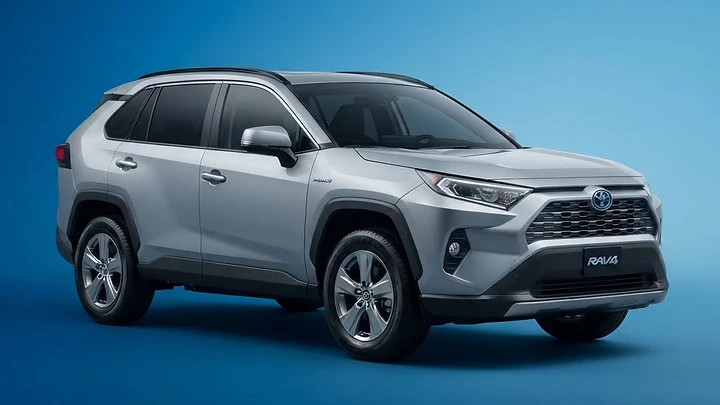
A traditional hybrid, like the 2026 Toyota RAV4 Hybrid, uses a small battery that charges itself through regenerative braking and the gasoline engine. You never plug it in. It is the "set it and forget it" champion of efficiency. Conversely, a plug-in hybrid, such as the 2026 Hyundai Tucson PHEV, features a significantly larger battery that you must charge via a wall outlet or home charger. This allows for 30 to 50 miles of pure electric driving before the gas engine kicks in. If you have a short commute and a garage, the PHEV can effectively turn your car into an EV for your daily errands, while still offering the "safety net" of a gas tank for cross-country road trips. 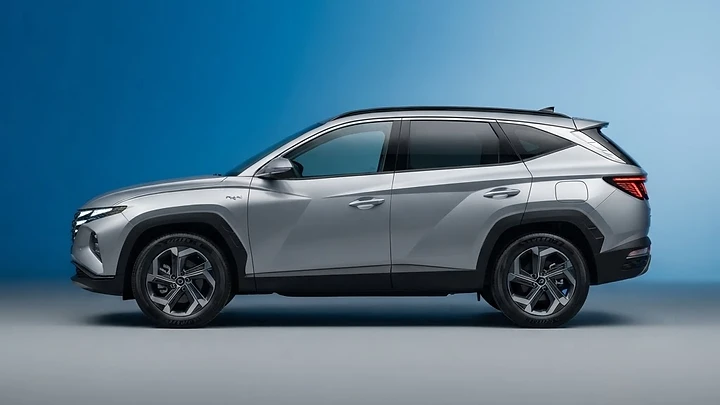
The Real-World Cost of Ownership When we look at the total cost of ownership, the math shifts based on your habits.
Traditional hybrids generally carry a lower upfront price tag compared to their plug-in counterparts. However, if you are diligent about charging, a PHEV can slash your monthly fuel bills to near zero for local driving. According to recent 2026 data, while EVs and PHEVs currently face higher initial reliability hurdles due to their complex software and battery systems, the long-term savings for a disciplined PHEV owner can be substantial. You are essentially paying for the convenience of two powertrains in one chassis. It is vital to weigh this against the potential for higher maintenance costs, as PHEVs carry the mechanical complexity of both a combustion engine and a high-capacity electric system. 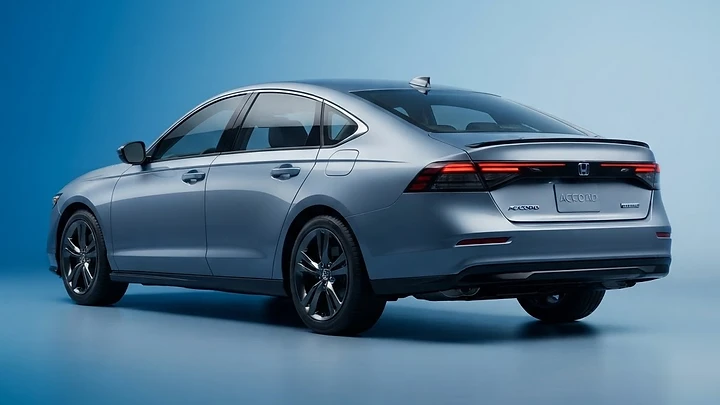

Reliability and the "New Tech" Factor It is an honest truth that newer, more complex technologies often experience "growing pains." Consumer reports from late 2025 and early 2026 indicate that traditional hybrids remain the reliability gold standard, often outperforming gas-only vehicles by 15% in problem frequency. Plug-in hybrids, however, are currently seeing higher service visits. This isn't necessarily a sign of poor quality, but rather the reality of integrating sophisticated battery management systems with traditional drivetrains. If you prioritize "bulletproof" reliability and minimal shop time, the traditional hybrid is your best friend. If you are an early adopter who enjoys the latest tech and has the infrastructure to support it, the PHEV offers a unique, albeit more complex, ownership experience. 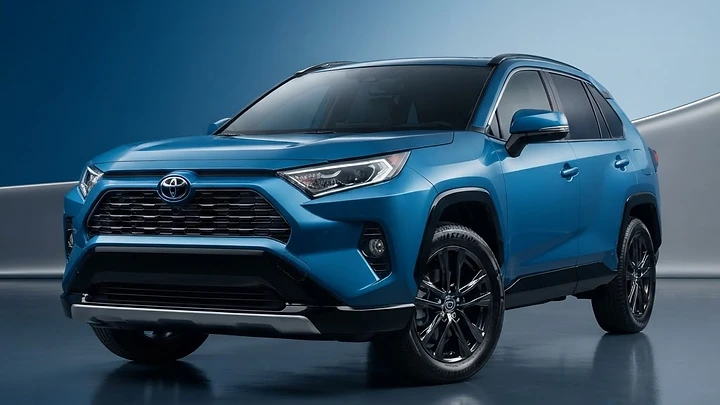

Matching the Car to Your Daily Routine Choosing the right vehicle is about matching the machine to your specific geography and schedule.
If you live in an apartment or lack a dedicated charging spot, a plug-in hybrid will quickly become a burden, as you will be hauling around a heavy, uncharged battery that hurts your overall fuel economy. In that scenario, a traditional hybrid is the superior choice. For the suburban homeowner with a driveway, the PHEV shines. It allows you to bypass the gas station for weeks at a time, provided your daily mileage stays within the electric-only range. Always check the manufacturer's stated electric-only range against your actual commute; if your drive is 60 miles and the car only offers 35, you will be relying on gas for a significant portion of your journey, which may negate the financial benefits of the plug-in system. 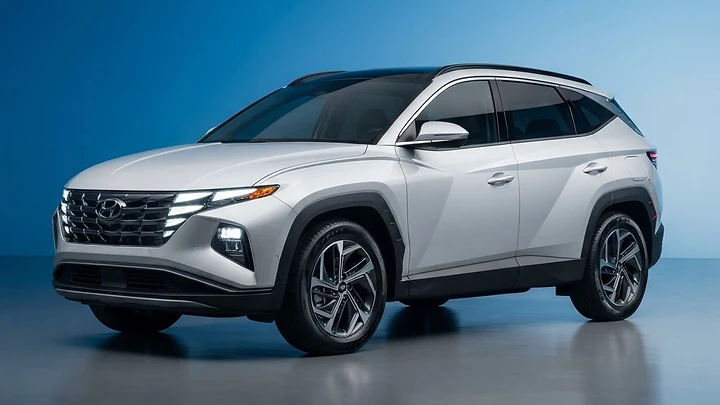

Frequently Asked Questions
Do I need a special charger for a plug-in hybrid?
Not necessarily. Most PHEVs can charge on a standard 120V household outlet, though it will take longer. A Level 2 home charger will speed up the process significantly, but it is an optional investment. #
Which is better for long road trips?
Both are excellent, but the traditional hybrid is often simpler. You get the same high MPG without worrying about finding a plug at your destination. However, a PHEV is just as capable; once the battery is depleted, it simply operates as a standard hybrid. #
Are hybrids more expensive to insure?
Generally, yes. Because of the higher cost of components like batteries and advanced sensors, insurance premiums for hybrids and PHEVs can be slightly higher than for conventional gas-only vehicles. #
Will a hybrid battery last the life of the car?
Most manufacturers offer 8-to-10-year warranties on hybrid batteries. While they will eventually degrade, modern battery management systems are designed to keep them functional for the vast majority of the vehicle's useful life.
The Bottom Line The choice between a hybrid and a plug-in hybrid comes down to one question: Can you plug in at home?
If the answer is yes, and your daily commute is short, a plug-in hybrid offers a transformative, near-electric experience that can save you thousands over the life of the vehicle. If you want the most reliable, hassle-free, and cost-effective path to high fuel economy, the traditional hybrid remains the undisputed king of the road. Choose the one that fits your life, not just your budget.
The cars in this story
The real price and honest verdict on each one
- 2026 Hyundai TucsonCompact SUV · from $29,450
- 2026 Toyota RAV4Compact SUV · from $31,900
- 2026 Dodge ChargerSports Car · from $49,995
- 2026 Honda AccordMid-Size Sedan · from $28,395
More car news

Hybrid vs Gas: The 2026 Honest Buyer’s Guide to Savings
Is a hybrid worth the extra cost in 2026? We break down the real-world fuel savings, depreciation, and ownership costs to help you make the right choice.

Solar-Powered Cars: The 2026 Honest Buyer’s Reality Check
Are solar-powered cars worth the hype in 2026? We break down the reality of solar roofs, charging efficiency, and whether they actually save you money.

EVs as Power Banks: The 2026 Guide to Bidirectional Power
Turn your EV into a mobile power station. Learn how V2L, V2H, and V2G technology works in 2026 and which electric vehicles can power your life off-grid.