EVs as Power Banks: The 2026 Guide to Bidirectional Power
Turn your EV into a mobile power station. Learn how V2L, V2H, and V2G technology works in 2026 and which electric vehicles can power your life off-grid.
Imagine a quiet evening at a remote campsite, the stars stretching across the horizon, while your car powers a string of lights, a portable coffee maker, and your laptop. This isn't science fiction; it is the reality of modern electric vehicle ownership in 2026. For years, we viewed EVs simply as machines to get us from point A to point B. Today, they are evolving into sophisticated, mobile energy hubs capable of powering your life when the grid fails or when you are miles from the nearest outlet. Understanding bidirectional charging—the ability for electricity to flow both into and out of your car—is the next frontier for the savvy American car buyer.
Decoding the Alphabet Soup: V2L, V2H, and V2G If you are shopping for an EV, you will likely encounter terms like V2L, V2H, and V2G.
These acronyms define how your car interacts with the world around it. Vehicle-to-Load (V2L) is the most common feature today. It allows you to plug standard household appliances directly into your car, usually via an adapter in the charge port or an interior outlet. It is perfect for tailgating, camping, or running power tools at a job site. Vehicle-to-Home (V2H) takes this a step further, allowing your car to act as a backup generator for your house during a power outage. Finally, Vehicle-to-Grid (V2G) is the most advanced stage, where your car can feed excess energy back into the utility grid, potentially earning you credits on your electricity bill. 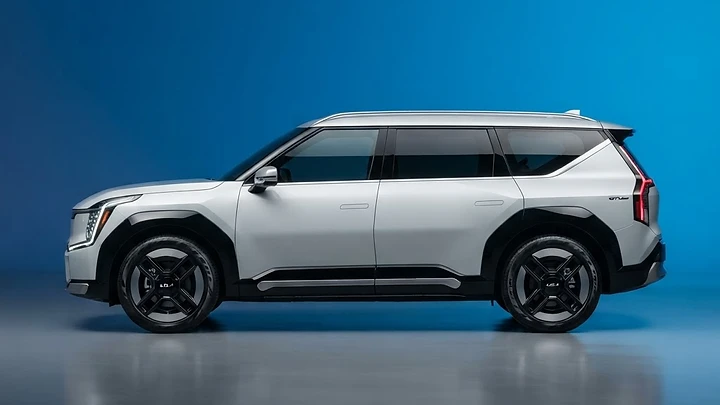
Which 2026 EVs Offer Bidirectional Power?
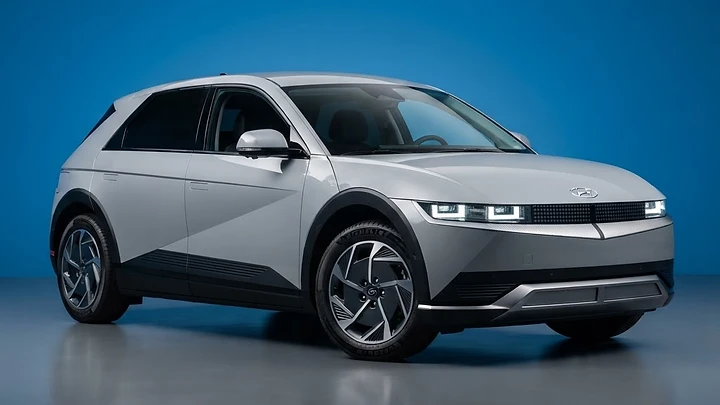
As of 2026, the market has shifted from a few niche models to a wide array of capable vehicles. The Hyundai Ioniq 5, Ioniq 6, and the new Ioniq 9 are industry leaders in V2L, offering up to 3.6 kW of power. Kia’s E-GMP platform, found in the EV3, EV5, EV6, and the massive EV9, offers similar versatility. For those looking for premium options, the Genesis GV60 and GV70 have set the standard for luxury-integrated V2L. Meanwhile, the Ford F-150 Lightning and the Tesla Cybertruck have pushed the boundaries of V2H, with the Cybertruck offering a robust 11.5 kW output, making it a true powerhouse for home backup. 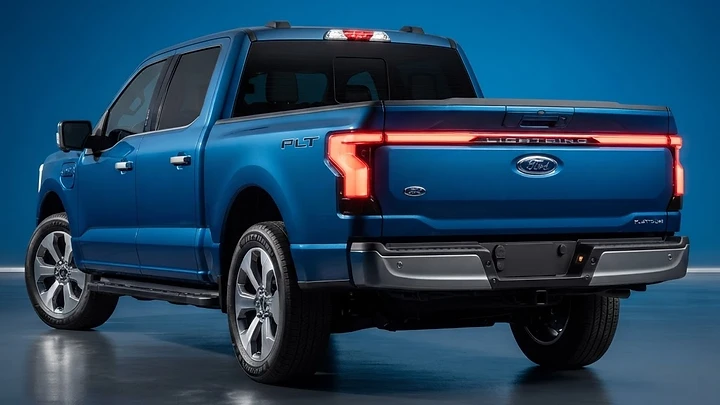

The Practical Reality: Is It Worth the Investment?
While the technology is impressive, it is important to be honest about the costs. V2L is often included as a standard feature or a low-cost add-on. However, V2H requires significant infrastructure. You will need a bidirectional-capable home charger and a transfer switch installed by a licensed electrician, which can cost between $5,000 and $10,000 in 2026. For most, V2L is the "sweet spot"—it provides immediate, portable utility without the heavy installation fees. If you live in an area prone to storms or enjoy frequent outdoor adventures, the peace of mind provided by a 77 kWh battery acting as a giant power bank is worth every penny. 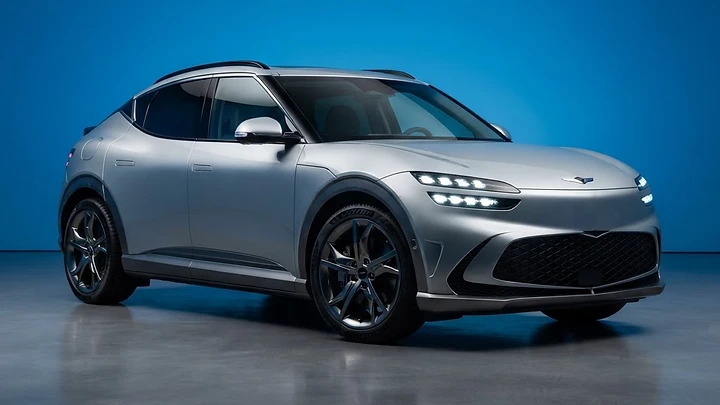

Managing Your Range While Powering Up A common concern is whether using your car to power devices will leave you stranded.
The good news is that these systems are smart. Most vehicles allow you to set a "reserve" limit—for example, you can tell your car to stop discharging power once the battery hits 20%. This ensures you always have enough range to reach a charging station. Using your EV to power a few LED lights or a laptop will have a negligible impact on your range, but running a high-draw appliance like a space heater will consume energy more quickly. Always check your vehicle’s specific output limits in the owner’s manual. 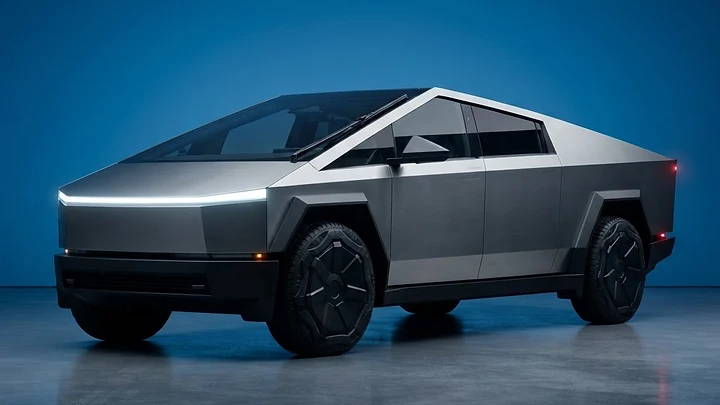

Frequently Asked Questions
Does every new EV support bidirectional charging?
No. While V2L is becoming common, it is not yet universal. Always check the specific trim level, as some manufacturers reserve these features for higher-end models. #
Can I add V2L to an EV that didn't come with it?
Unfortunately, no. V2L requires specific onboard hardware and software integration. If your car did not ship with the capability, you cannot add it later via an adapter. #
Is V2H better than a gas generator?
Yes, for most homeowners. V2H is silent, produces no exhaust fumes, and requires no fuel storage. It is safer to use inside a garage and integrates seamlessly with your home’s electrical panel. #
Will using V2L void my battery warranty?
No, provided you use the manufacturer-approved adapters and stay within the vehicle's specified power output limits. Always use official equipment to ensure safety.
The Bottom Line Bidirectional charging is no longer a gimmick; it is a transformative feature that changes how you interact with your vehicle.
If you are in the market for a new EV in 2026, prioritize models with V2L if you value outdoor flexibility. If you are looking for home resilience, look toward vehicles with V2H capabilities like the Ford F-150 Lightning or the Kia EV9. By choosing a car that can power your life, you are not just buying a vehicle—you are investing in a more resilient, capable future.
The cars in this story
The real price and honest verdict on each one
- 2026 Ford F-150Full-Size Pickup · from $39,330
- 2026 Kia EV9Electric Three-Row SUV · from $54,900
- 2026 Tesla CybertruckPickup Truck · from $79,990
- 2026 Genesis GV60Compact SUV · from $54,000
More car news

Hybrid vs Plug-in Hybrid: The 2026 Honest Buyer’s Guide
Confused by hybrid options? We break down the real-world costs, reliability, and driving habits to help you choose the right 2026 hybrid for your lifestyle.

Hybrid vs Gas: The 2026 Honest Buyer’s Guide to Savings
Is a hybrid worth the extra cost in 2026? We break down the real-world fuel savings, depreciation, and ownership costs to help you make the right choice.

Solar-Powered Cars: The 2026 Honest Buyer’s Reality Check
Are solar-powered cars worth the hype in 2026? We break down the reality of solar roofs, charging efficiency, and whether they actually save you money.