Solar-Powered Cars: The 2026 Honest Buyer’s Reality Check
Are solar-powered cars worth the hype in 2026? We break down the reality of solar roofs, charging efficiency, and whether they actually save you money.
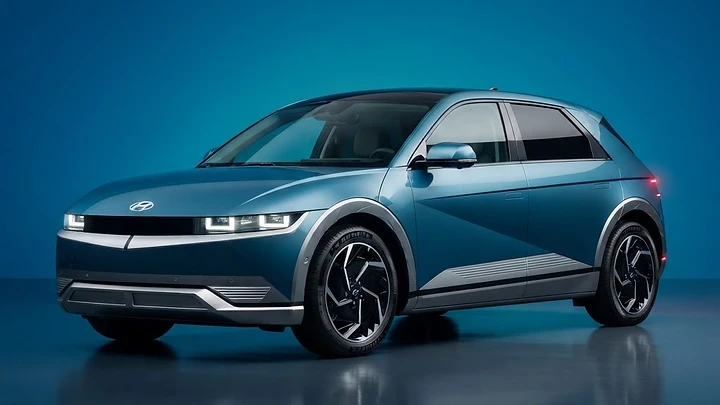
Imagine pulling into your driveway after a long day, the sun dipping below the horizon, knowing your car has been quietly harvesting energy from the sky while you worked. It is a vision of automotive freedom that feels like science fiction—a vehicle that fuels itself. As we navigate the 2026 market, the allure of solar-powered cars has never been stronger, but as your honest guide at Carummah, I am here to separate the engineering marvels from the marketing fluff. The dream of a car that never needs a charging cable is seductive, but the physics of solar energy on a vehicle are stubborn. Most current 'solar-roof' technology, like the systems seen on various hybrids and select EVs, is designed to supplement, not replace, traditional charging. These panels typically generate enough power to add a few miles of range per day—often between 2 to 6 miles under ideal conditions. While that might cover a short commute for some, it is a far cry from the 'infinite range' promised by early concept vehicles. 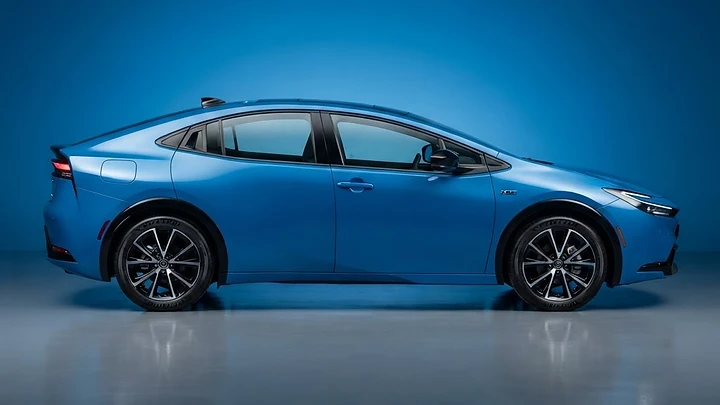
The Reality of Solar Roof Efficiency Modern automotive solar glass, such as the technology being developed by suppliers like Fuyao, is impressive.
It allows for translucent panels that can power auxiliary systems like air conditioning, infotainment, or data recorders. By offloading these 'vampire' drains from the main battery, you effectively increase your overall efficiency. However, a typical vehicle requires vastly more energy to move a two-ton chassis down the highway than a few square meters of roof can provide. If you are looking for a car that runs entirely on sunlight, you are looking at specialized, ultra-lightweight vehicles like the Aptera, which are fundamentally different from the SUVs and sedans most American families rely on. 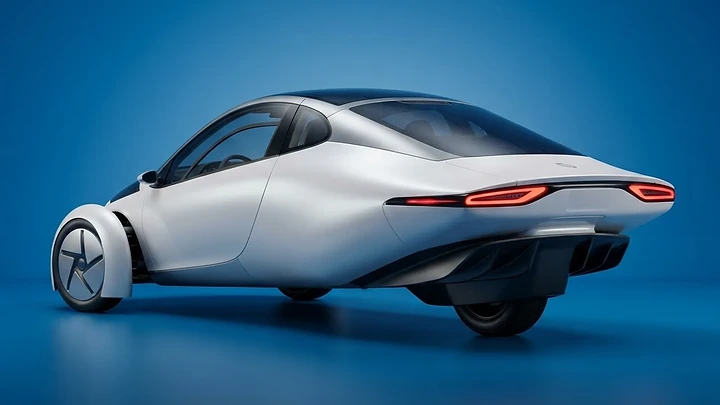

Home Solar vs.
Car Solar: Where the Real Savings Are If you truly want to drive on sunshine, the most effective strategy in 2026 is not a solar roof on your car, but a robust solar array on your home. Charging your EV at home using a dedicated solar setup is the gold standard for sustainable, low-cost ownership. By installing 5 to 14 high-efficiency panels on your roof, you can generate enough electricity to cover your annual driving needs. This approach is far more efficient than relying on the limited surface area of a car roof, which is subject to shade, dirt, and the angle of the sun. 

Is the Tech Worth the Premium?
When shopping for a 2026 model, you might see 'solar roof' listed as a premium option. Before you check that box, ask yourself: what is the return on investment? If the option costs $2,000 and adds only 3 miles of range per day, it would take years of daily sunshine to 'break even' compared to the cost of grid electricity. For most buyers, that money is better spent on a Level 2 home charger or a more efficient trim level. However, if you value the cutting-edge tech and the peace of mind that comes with even a small amount of off-grid energy generation, it remains a fascinating, if niche, feature. 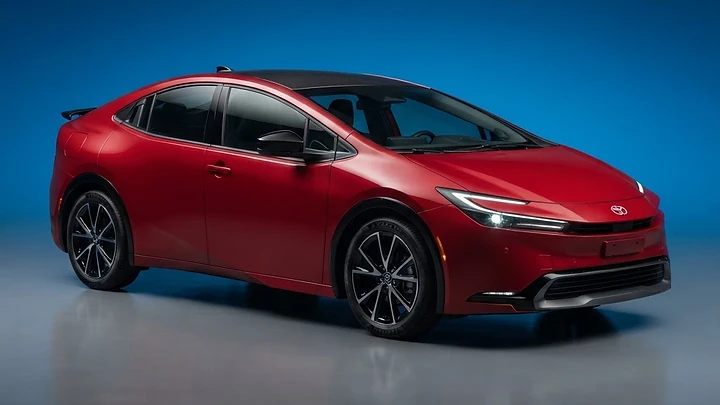

Frequently Asked Questions Q: Can a solar roof fully charge my EV?
A: No. Current solar roof technology is designed to provide supplemental power for auxiliary systems or a small amount of daily range, not to fully recharge a large EV battery. Q: Does a solar roof work in the shade or at night? A: Solar panels require direct sunlight to generate electricity. They do not function at night and their efficiency drops significantly in shade or overcast conditions. Q: Is it better to put solar panels on my house or my car? A: For 99% of buyers, home solar panels are significantly more efficient, cost-effective, and capable of providing enough energy to power your vehicle and your home. Q: Do solar roofs require extra maintenance? A: Generally, they are low-maintenance, but they must be kept clean of dust, debris, and snow to maintain maximum efficiency.
The Bottom Line In 2026, the 'solar-powered car' is a brilliant engineering experiment rather than a practical replacement for traditional charging.
If you are looking for true efficiency, invest in a home solar array and a reliable EV. Treat the solar roof on a vehicle as a 'nice-to-have' luxury feature that helps with minor power drains, rather than a primary fuel source. Stay focused on the total cost of ownership, and you will find that the best way to drive on sunshine is to capture it where you live, not just where you park.
The cars in this story
The real price and honest verdict on each one
- 2026 Lucid AirLuxury Electric Sedan · from $70,900
- 2026 Dodge ChargerSports Car · from $49,995
- 2026 Toyota PriusCompact Sedan · from $28,550
- 2026 Toyota Prius PrimeCompact Sedan · from $33,775
More car news


Hybrid vs Plug-in Hybrid: The 2026 Honest Buyer’s Guide
Confused by hybrid options? We break down the real-world costs, reliability, and driving habits to help you choose the right 2026 hybrid for your lifestyle.

Hybrid vs Gas: The 2026 Honest Buyer’s Guide to Savings
Is a hybrid worth the extra cost in 2026? We break down the real-world fuel savings, depreciation, and ownership costs to help you make the right choice.

EVs as Power Banks: The 2026 Guide to Bidirectional Power
Turn your EV into a mobile power station. Learn how V2L, V2H, and V2G technology works in 2026 and which electric vehicles can power your life off-grid.