2026 Hybrid Buying Guide: Finding Real Value at the Pump
Confused by the hybrid market? Our 2026 guide breaks down the real-world savings, fuel economy, and ownership costs to help you find your perfect efficient ride.
There is a quiet, rhythmic hum that defines the modern American road trip. It is the sound of a 2026 hybrid powertrain seamlessly transitioning between electric silence and the reliable pulse of a combustion engine, a symphony of engineering that promises to take you further on a single tank than ever before. As fuel prices fluctuate and the excitement of pure electric vehicles meets the reality of charging infrastructure, more Americans are finding their sweet spot in the hybrid segment. Whether you are navigating the urban sprawl or chasing horizons on a cross-country adventure, choosing the right hybrid is about more than just MPG—it is about reclaiming your time and your budget. In 2026, hybrid sales have surged to a record 16% of the light-duty market, proving that drivers are prioritizing the balance of efficiency and convenience.
Understanding the Hybrid Landscape: HEV vs.
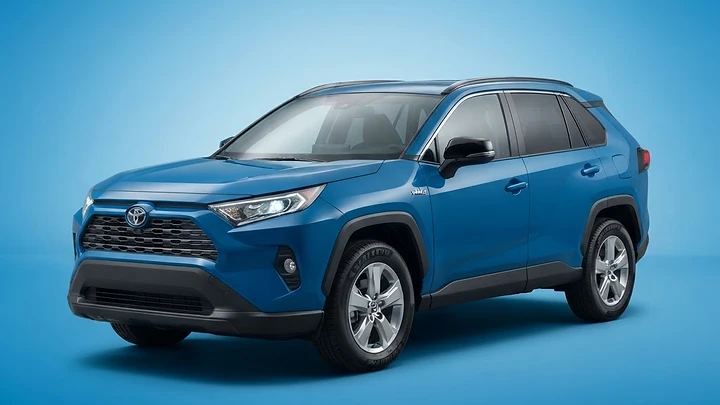
PHEV The first step in your journey is distinguishing between the two primary types of hybrids. A standard Hybrid Electric Vehicle (HEV), like the ever-reliable Toyota RAV4 Hybrid, uses a small battery that charges itself through regenerative braking. You never plug it in. It is the 'set it and forget it' choice for busy families. Conversely, a Plug-In Hybrid (PHEV), such as the 2026 Kia Sorento Plug-In Hybrid, features a larger battery that you charge at home. This allows for 20 to 40 miles of pure electric driving, which can cover most daily commutes without burning a drop of gasoline. If you have a garage and a standard outlet, a PHEV can drastically lower your monthly fuel costs, but it does come with a higher initial sticker price. 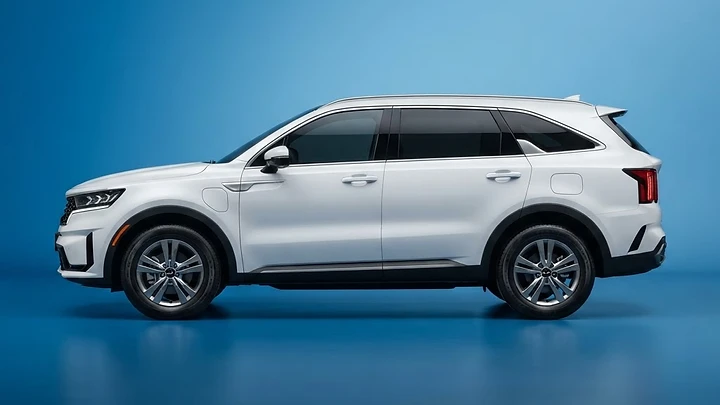
The Real-World Math: Is the Premium Worth It?
It is easy to get lost in the marketing jargon, but the math is what matters at Carummah. While hybrids often carry a premium over their gas-only counterparts, the 'payback period' is shrinking. For instance, the 2026 Honda Civic Hybrid, which starts around $30,800, offers exceptional fuel economy that pays dividends over the life of the vehicle. When calculating your investment, consider your annual mileage. If you drive 12,000 miles a year, the fuel savings of a hybrid can often offset the higher purchase price within three to five years. Beyond the pump, remember that hybrids often hold their value better than traditional gas vehicles, providing a stronger return when it comes time to trade in. 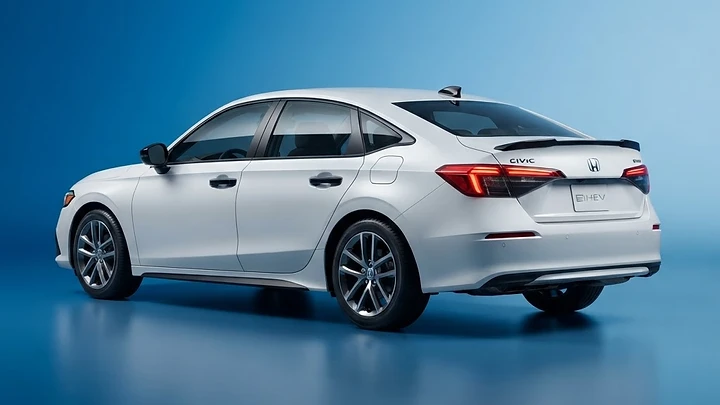

Family Space and Utility: You Don't Have to Compromise Gone are the days when choosing a hybrid meant sacrificing cargo space or passenger comfort.
Modern platforms have integrated battery packs into the chassis, preserving the interior volume families need. The 2026 Volvo XC90, for example, remains a top-tier luxury three-row SUV that happens to offer a sophisticated plug-in powertrain. You get the same cavernous cargo area and premium safety features, but with the added benefit of reduced emissions and improved city fuel economy. Whether you are hauling sports gear or groceries, today’s hybrid SUVs are designed to fit your life, not the other way around. 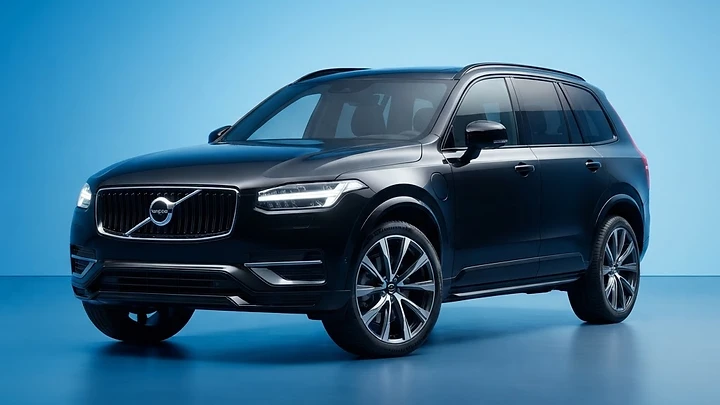

Maintenance and Long-Term Ownership Value One of the most common questions we hear is about the longevity of hybrid components.
The good news is that hybrids are remarkably robust. Because the electric motor assists the engine, there is often less wear and tear on the braking system due to regenerative braking. While you will still need standard oil changes and tire rotations, the overall maintenance profile is very similar to a conventional car. Always check the manufacturer's warranty on the hybrid battery—most brands now offer coverage for 8 to 10 years, providing peace of mind for your long-term investment. 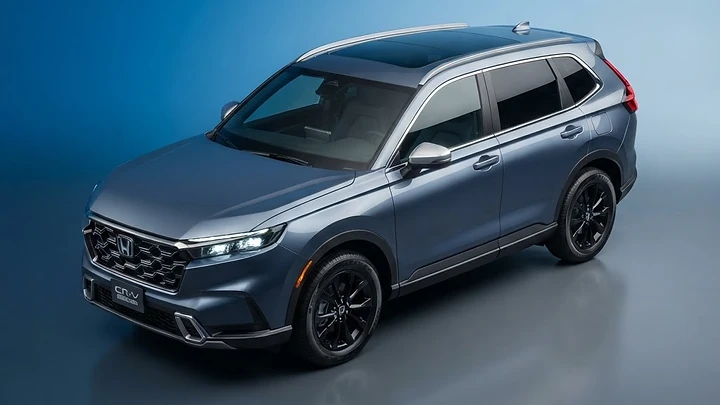

Frequently Asked Questions
Do I need a special charger for a plug-in hybrid?
No. Most PHEVs can be charged using a standard 120-volt household outlet, though a dedicated 240-volt Level 2 charger will significantly reduce charging times. #
Are hybrids more expensive to insure?
Generally, yes, because the vehicle's replacement value is higher than a base-model gas car, but the difference is often negligible compared to the fuel savings. #
Do hybrids perform well in cold weather?
Yes, though you may notice a slight dip in electric-only range during extreme winter temperatures, which is normal for all battery-powered vehicles. #
Can I take a hybrid on a long road trip?
Absolutely. Since hybrids use gasoline as a backup, you have the same range and refueling convenience as any traditional car, making them the ultimate road-trip companions.
The Bottom Line If you are looking for the perfect blend of efficiency, reliability, and freedom, the 2026 hybrid market is your best ally.
For the average commuter, a standard HEV like the Honda CR-V Hybrid offers the best balance of value and simplicity. If you have home charging access and want to eliminate gas usage for your daily errands, a PHEV like the Kia Sorento is a game-changer. Focus on your specific driving habits, calculate your potential fuel savings, and choose the vehicle that makes your daily drive feel less like a chore and more like a journey.
The cars in this story
The real price and honest verdict on each one
- 2026 Kia SorentoMid-Size SUV · from $31,990
- 2026 Volvo XC90Three-Row Luxury SUV · from $60,950
- 2026 Honda CR-VCompact SUV · from $30,920
- 2026 Dodge ChargerSports Car · from $49,995
More car news

EV Tires: The 2026 Honest Buyer’s Guide to Replacement
Confused about EV tires? Learn why electric vehicles wear tires differently and how to choose the right replacements to maintain range, safety, and comfort.

Hybrid vs Gas: The 2026 Honest Buyer’s Guide to Savings
Is a hybrid worth the extra cost in 2026? We break down the real-world math, maintenance, and ownership costs to help you make the right choice.

Buying a Hybrid in 2026: The Honest Buyer’s Reality Check
Thinking about a hybrid? With gas prices fluctuating and tax credits gone, here is the honest truth about buying a hybrid car in 2026 to save you money.