EV Tires: The 2026 Honest Buyer’s Guide to Replacement
Confused about EV tires? Learn why electric vehicles wear tires differently and how to choose the right replacements to maintain range, safety, and comfort.
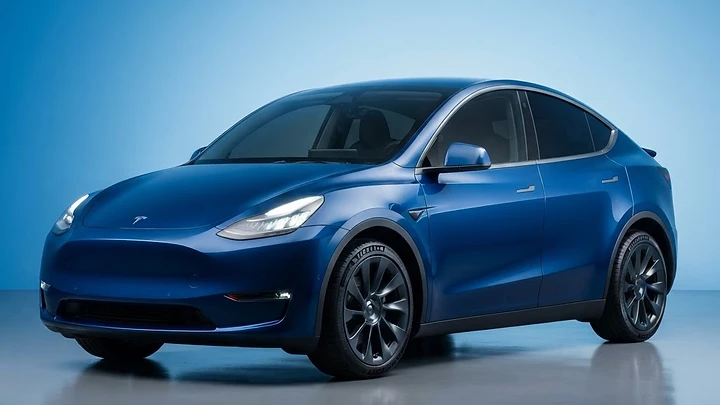
There is a specific, quiet magic to the way an electric vehicle pulls away from a stoplight. It is a seamless, silent surge of power that feels less like traditional combustion and more like being launched by a silent, invisible hand. Yet, beneath that serene experience lies a complex engineering reality: your tires are working harder than you might realize. As an EV owner in 2026, you are likely discovering that the rubber meeting the road is the most critical, yet often overlooked, component of your vehicle's long-term health and efficiency.
Why EV Tires Are Different From Standard Tires The primary difference between your EV and a traditional gas-powered car comes down to two factors: mass and torque.
Because of the heavy battery packs required for modern range, EVs are significantly heavier than their internal combustion counterparts. This extra weight places constant, increased pressure on the tire contact patch. Furthermore, the instant torque provided by electric motors can accelerate tire wear if you are not careful. Manufacturers now design EV-specific tires with reinforced sidewalls and specialized rubber compounds to handle this load while maintaining low rolling resistance, which is essential for maximizing your range.
Do You Really Need 'EV-Specific' Tires?
While it is tempting to look for the cheapest set of tires, your EV’s performance is intrinsically linked to its rubber. EV-specific tires are engineered to minimize road noise—a critical feature since you no longer have the masking sound of an engine—and to provide the structural integrity needed for heavier vehicles. If you drive a 2026 Tesla Model Y or a Hyundai Ioniq 5, opting for tires that meet the manufacturer's load index and speed rating is non-negotiable. Using a standard tire might save you money upfront, but you could see a noticeable drop in your real-world range and an increase in cabin noise. 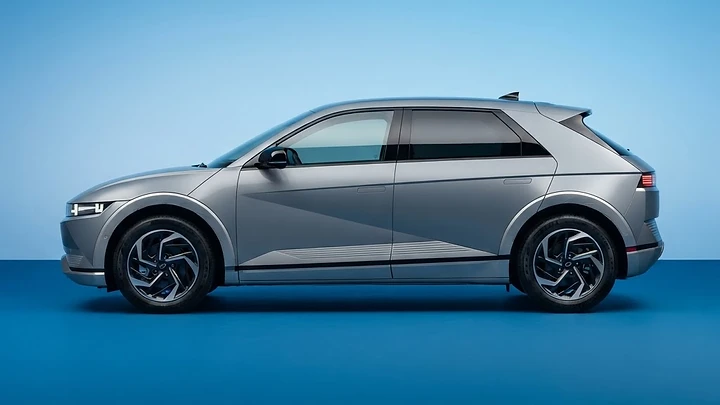
The Impact of Regenerative Braking on Tread Life Regenerative braking is a marvel of modern efficiency, but it changes the dynamic of how your tires interact with the road.
By using the electric motor to slow the vehicle, you are essentially shifting the braking force in a way that can lead to different wear patterns compared to traditional friction brakes. To combat this, regular tire rotation is more important than ever. Aim to have your tires rotated every 5,000 to 7,500 miles to ensure even wear across all four corners. This simple habit can extend the life of your tires by thousands of miles, saving you significant money over the life of your vehicle. 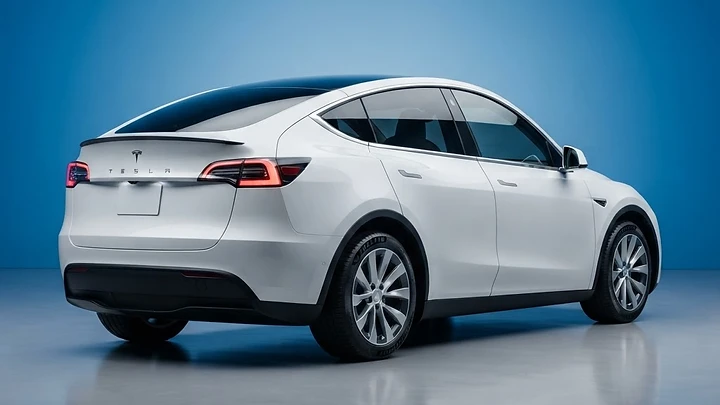

Maintaining Your EV Tires for Maximum Range Keeping your tires properly inflated is the single most effective way to protect your range.
An underinflated tire creates more rolling resistance, forcing your battery to work harder to move the vehicle. Do not rely solely on your TPMS (Tire Pressure Monitoring System) to tell you when to add air; check your tire pressure manually at least once a month. In 2026, with the rising cost of electricity and the focus on efficiency, maintaining the correct PSI is a small, free action that pays dividends in both range and tire longevity. 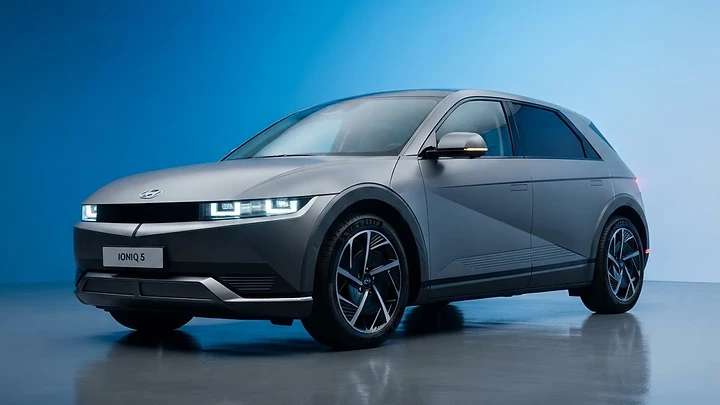

Frequently Asked Questions
Do I have to buy tires from the dealership?
No. You can buy tires from any reputable shop, but ensure the replacement tires meet the load-carrying capacity (often marked as 'XL' or Extra Load) specified in your owner's manual. #
Can I use winter tires on my EV?
Yes, and you should if you live in a cold climate. Look for winter tires specifically designed for EVs, which use cold-weather compounds that maintain flexibility without sacrificing too much range. #
How do I know when it is time to replace my EV tires?
Use the penny test: if you can see the top of Lincoln’s head when you place a penny in the tread, it is time for new tires. Also, watch for uneven wear patterns, which may indicate a need for an alignment. 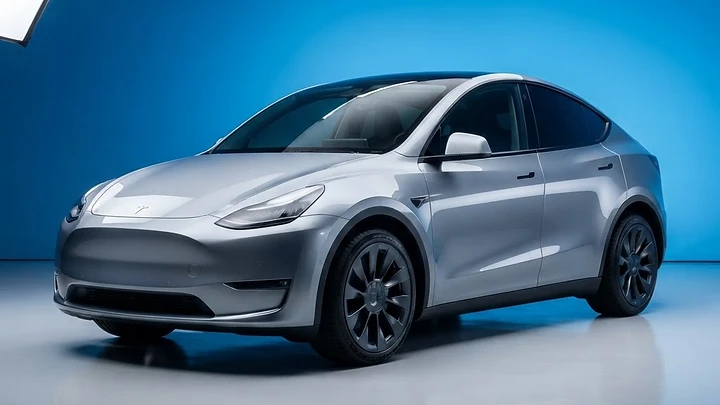

The Bottom Line Choosing the right tires for your EV is an investment in your driving experience.
While the market is flooded with options, prioritize tires that balance durability, noise reduction, and low rolling resistance. By staying diligent with monthly pressure checks and regular rotations, you ensure that your vehicle remains as efficient and quiet as the day you bought it. Don't let the complexity of EV engineering intimidate you; treat your tires with care, and they will carry you through many miles of silent, efficient travel.
The cars in this story
The real price and honest verdict on each one
Every model, side by sideMore car news

Hybrid vs Gas: The 2026 Honest Buyer’s Guide to Savings
Is a hybrid worth the extra cost in 2026? We break down the real-world math, maintenance, and ownership costs to help you make the right choice.


Buying a Hybrid in 2026: The Honest Buyer’s Reality Check
Thinking about a hybrid? With gas prices fluctuating and tax credits gone, here is the honest truth about buying a hybrid car in 2026 to save you money.

Why Hybrids Are Winning the 2026 Car Market: An Honest Guide
Confused by the shift in the 2026 car market? Discover why hybrids are currently the smartest, most budget-friendly choice for American drivers today.