Hybrid vs Gas: The 2026 Honest Buyer’s Guide to Savings
Is a hybrid worth the extra cost in 2026? We break down the real-world math, maintenance, and ownership costs to help you make the right choice.
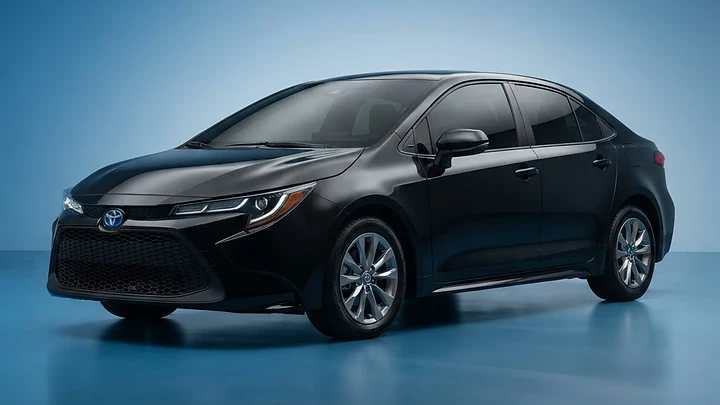
There is a quiet magic in the way a modern hybrid glides away from a stoplight, the electric motor humming with silent, instant torque before the engine seamlessly joins the dance. For many American families, the open road represents freedom, but in 2026, that freedom comes with a complex question: does it make more financial sense to stick with a traditional gas engine or make the leap to a hybrid? With new vehicle ownership costs now averaging $12,863 annually, transparency is no longer a luxury—it is a necessity for every buyer.
The Real Math: Beyond the Sticker Price When you walk onto a dealership lot, the first thing you notice is the price gap.
A 2026 Toyota Corolla LE gas model starts around $24,120, while its hybrid counterpart sits at $25,970. That $1,850 premium can feel like a hurdle, but the "break-even" point is often closer than you think. According to 2026 data, hybrids are consistently proving to be the most cost-effective alternative to gas-only vehicles across compact SUVs and medium sedans. While EVs often face higher depreciation and finance costs, hybrids offer a sweet spot: meaningful fuel savings without the infrastructure anxiety of plugging in. If you drive 15,000 miles a year, the fuel savings alone can often erase that price gap within three to four years of ownership. 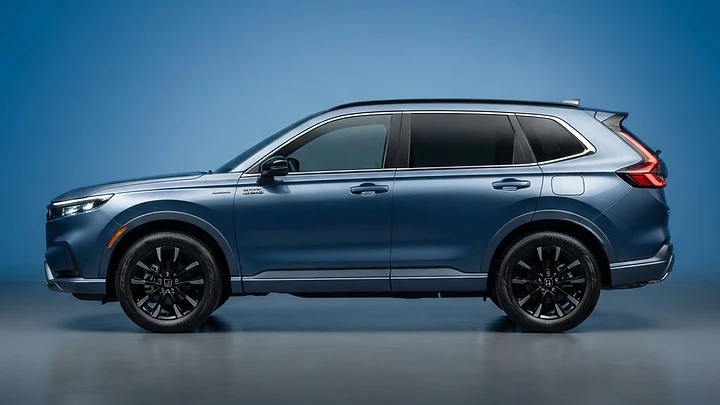
Why Hybrids Are Winning the Ownership Game The secret to the hybrid advantage isn't just the miles per gallon; it is the total cost of ownership.
AAA research indicates that hybrids cost less annually to own than gas-powered models in several key segments. This is largely because hybrids are engineered for efficiency, which often translates to less wear and tear on the internal combustion engine. Regenerative braking systems, for instance, take the strain off your brake pads, extending their life significantly compared to a standard gas vehicle. Furthermore, with Toyota and other major manufacturers offering 10-year or 150,000-mile warranties on hybrid batteries, the fear of a massive, unexpected repair bill is largely a relic of the past. 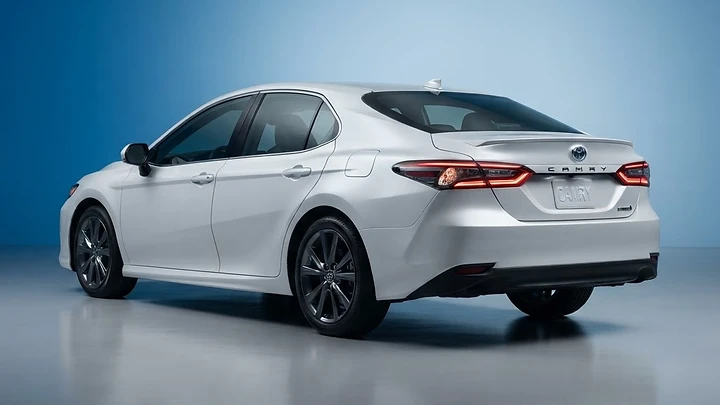

When a Gas Car Still Makes Sense While the hybrid trend is surging, gas-only vehicles remain a logical choice for specific drivers.
If you drive fewer than 8,000 miles per year, the fuel savings of a hybrid may take a decade to pay off, making the lower upfront cost of a gas model more attractive. Additionally, if your driving is primarily long-distance highway cruising, the efficiency gap between a modern, high-tech gas engine and a hybrid narrows significantly. For those who prioritize maximum towing capacity or live in regions where the price difference between gas and hybrid trims is substantial, a traditional gas-powered vehicle remains a reliable, proven workhorse. 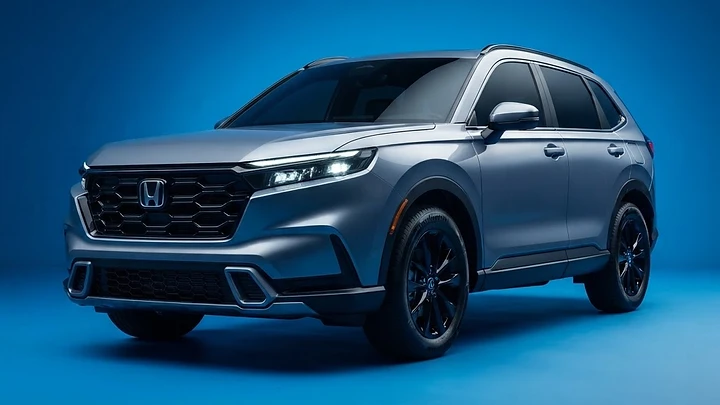

Maintenance and Long-Term Value Transparency is the cornerstone of a smart purchase.
Many buyers worry that hybrid technology requires specialized, expensive maintenance. In reality, routine maintenance for a hybrid—oil changes, tire rotations, and fluid checks—is nearly identical to that of a gas car. You aren't paying for complex transmission repairs or frequent battery replacements. Instead, you are investing in a powertrain that is designed to handle the stop-and-go nature of modern American life. When it comes time to trade in or sell, the high demand for used hybrids means your vehicle is likely to hold its value better than a gas-only equivalent, providing a final "bonus" at the end of your ownership cycle. 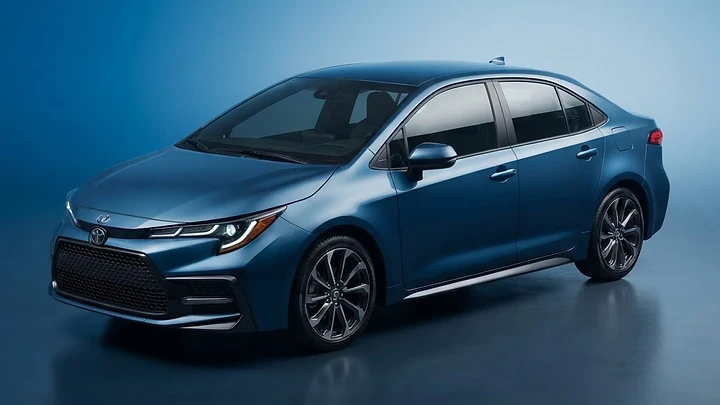

Frequently Asked Questions
Do hybrid batteries really need to be replaced often?
No. Modern hybrid batteries are designed to last the life of the vehicle. Most manufacturers now provide warranties covering them for 10 years or 150,000 miles, making battery failure an uncommon event for the average owner. #
Is a hybrid better for city or highway driving?
Hybrids excel in city driving and stop-and-go traffic, where the electric motor can do the heavy lifting. While they are still efficient on the highway, their biggest advantage is realized in urban environments. #
Do I need to change my driving habits for a hybrid?
Not at all. You drive a standard hybrid exactly like a gas car. There is no plugging in, no range anxiety, and no special training required. Just fill up at the pump and go. #
Are hybrids more expensive to insure?
Generally, no. While the purchase price is slightly higher, insurance premiums are based on safety ratings and repair costs, which are comparable to gas-powered versions of the same vehicle.
The Bottom Line If you are a high-mileage driver who plans to keep your vehicle for five years or more, a hybrid is almost certainly the smarter financial move in 2026.
The combination of lower fuel costs, reduced maintenance on brakes, and strong resale value makes it a clear winner for the average American family. However, if you drive very little or prioritize the lowest possible entry price, a gas-powered vehicle remains a perfectly honest, reliable choice. Do your math based on your annual mileage, and you will find the right path forward.
The cars in this story
The real price and honest verdict on each one
- 2026 Honda CR-VCompact SUV · from $30,920
- 2026 Toyota CorollaCompact Sedan · from $22,475
- 2026 Toyota CamryMid-Size Sedan · from $28,850
More car news

EV Tires: The 2026 Honest Buyer’s Guide to Replacement
Confused about EV tires? Learn why electric vehicles wear tires differently and how to choose the right replacements to maintain range, safety, and comfort.

Buying a Hybrid in 2026: The Honest Buyer’s Reality Check
Thinking about a hybrid? With gas prices fluctuating and tax credits gone, here is the honest truth about buying a hybrid car in 2026 to save you money.

Why Hybrids Are Winning the 2026 Car Market: An Honest Guide
Confused by the shift in the 2026 car market? Discover why hybrids are currently the smartest, most budget-friendly choice for American drivers today.