Buying a Hybrid in 2026: The Honest Buyer’s Reality Check
Thinking about a hybrid? With gas prices fluctuating and tax credits gone, here is the honest truth about buying a hybrid car in 2026 to save you money.
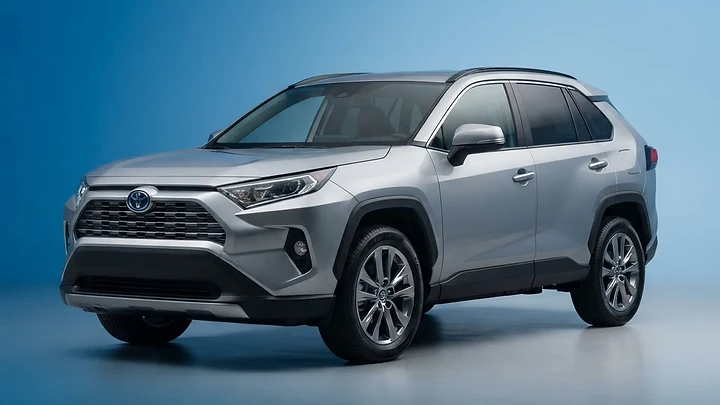
There is a quiet revolution happening on American roads. As you pull up to a stoplight, the silence of a modern hybrid engine humming to life is more than just a technical feat; it is the sound of a smarter, more efficient way to travel. In 2026, the landscape of car buying has shifted dramatically. With federal tax credits for EVs and plug-in hybrids largely in the rearview mirror, the humble hybrid has emerged as the undisputed champion for the pragmatic American driver. Whether you are navigating the urban sprawl or planning a cross-country family adventure, choosing the right vehicle is about balancing the thrill of the open road with the cold, hard reality of your monthly budget.
Why Hybrids Are Dominating the 2026 Market The data is clear: American buyers are voting with their wallets.
According to recent market analysis, hybrid electric vehicles have reached a record 16% of total light-duty vehicle sales. Why the surge? It comes down to a simple equation of value and convenience. Unlike battery electric vehicles (BEVs) that require a home charging infrastructure, hybrids offer the freedom of a gas station with the efficiency of an electric motor. With the average new-car transaction price now hovering above $50,000, buyers are looking for a hedge against rising fuel costs without the "range anxiety" or the premium price tag associated with full-electric models. 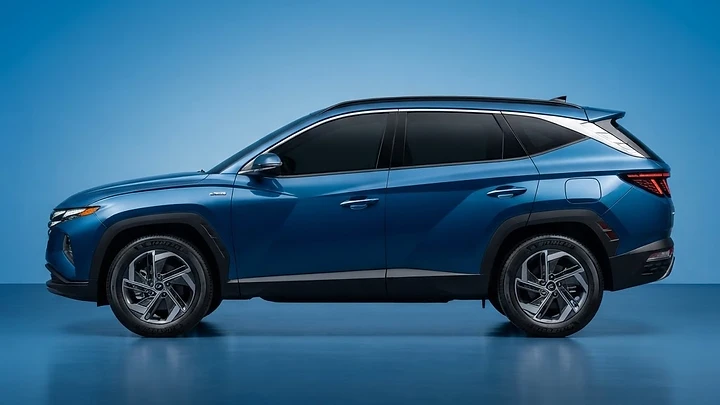
The Math of Savings: Is It Worth the Premium?
When you walk into a dealership, you will notice that hybrids often carry a higher MSRP than their gas-only counterparts. However, the "break-even" point is closer than you think. If you drive an average of 15,000 miles per year, the fuel savings from a vehicle like the 2026 Toyota RAV4 Hybrid or the 2026 Hyundai Tucson Hybrid can often offset that initial price difference in less than 24 months. The key is to look for models where the hybrid trim is priced within $1,500 to $2,500 of the base gas model. Anything beyond that requires a much longer ownership period to see a true return on investment. 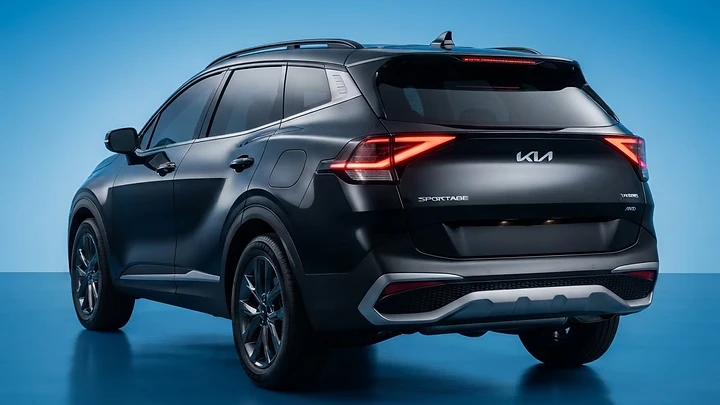

Reliability and Long-Term Ownership Value One of the most common questions we hear at Carummah is about long-term dependability.
It is a valid concern. While J.D. Power’s 2026 Vehicle Dependability Study notes that all electrified powertrains have seen a slight uptick in reported issues, hybrids remain significantly more stable than plug-in hybrids or full EVs. A well-maintained hybrid battery is designed to last 150,000 to 200,000 miles—essentially the lifespan of the car itself. By sticking to brands with a proven track record, such as Toyota or Honda, you are not just buying a car; you are investing in a machine engineered for the long haul. 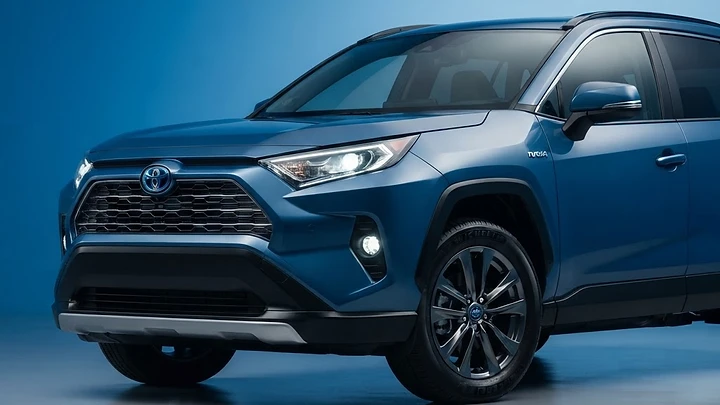

Navigating the Dealership Without the Pressure The current market is competitive, and "market adjustments" are still a reality for high-demand hybrid SUVs.
Before you step onto the lot, check the "days on lot" metrics for the specific model you want. If a vehicle has been sitting for more than 45 days, you have leverage. Always ask for the "out-the-door" price, which includes all taxes, registration, and dealer fees. If a salesperson tries to bundle in "protection packages" or "nitrogen-filled tires," politely decline. These are high-margin items that add zero value to your ownership experience. 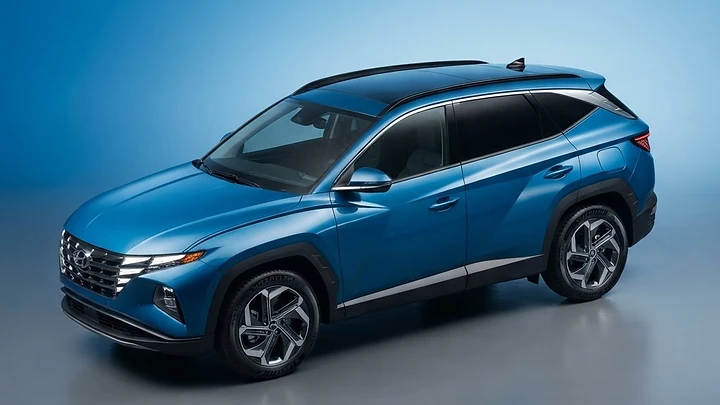

Frequently Asked Questions
Do I need to plug in a standard hybrid?
No. A standard hybrid (HEV) charges its battery through regenerative braking and the internal combustion engine. You never need to plug it into a wall. #
How much does a hybrid battery replacement cost?
While rare, a replacement can cost between $2,000 and $5,000. However, most manufacturers offer 8-year/100,000-mile warranties on these components. #
Are hybrids more expensive to maintain?
Generally, no. Because the electric motor assists the engine, there is less wear and tear on the brakes and the engine itself. Routine maintenance is very similar to a gas car. #
Which hybrid SUV offers the best value in 2026?
The 2026 Hyundai Tucson Hybrid and the 2026 Toyota RAV4 Hybrid are currently the top contenders for their balance of fuel economy, cargo space, and reliability.
The Bottom Line The 2026 car market is complex, but the path to a smart purchase is straightforward.
If you want to save money at the pump without changing your lifestyle or installing a home charger, a traditional hybrid is your best bet. Focus on models with a low price premium over their gas siblings, prioritize proven reliability, and never be afraid to walk away if the numbers don't add up. Your next car should be a source of freedom, not a source of financial stress.
The cars in this story
The real price and honest verdict on each one
- 2026 Hyundai TucsonCompact SUV · from $29,450
- 2026 Toyota RAV4Compact SUV · from $31,900
- 2026 Kia SportageCompact SUV · from $27,190
- 2026 Dodge ChargerSports Car · from $49,995
More car news

EV Tires: The 2026 Honest Buyer’s Guide to Replacement
Confused about EV tires? Learn why electric vehicles wear tires differently and how to choose the right replacements to maintain range, safety, and comfort.

Hybrid vs Gas: The 2026 Honest Buyer’s Guide to Savings
Is a hybrid worth the extra cost in 2026? We break down the real-world math, maintenance, and ownership costs to help you make the right choice.

Why Hybrids Are Winning the 2026 Car Market: An Honest Guide
Confused by the shift in the 2026 car market? Discover why hybrids are currently the smartest, most budget-friendly choice for American drivers today.