Why Hybrids Are Winning the 2026 Car Market: An Honest Guide
Confused by the shift in the 2026 car market? Discover why hybrids are currently the smartest, most budget-friendly choice for American drivers today.
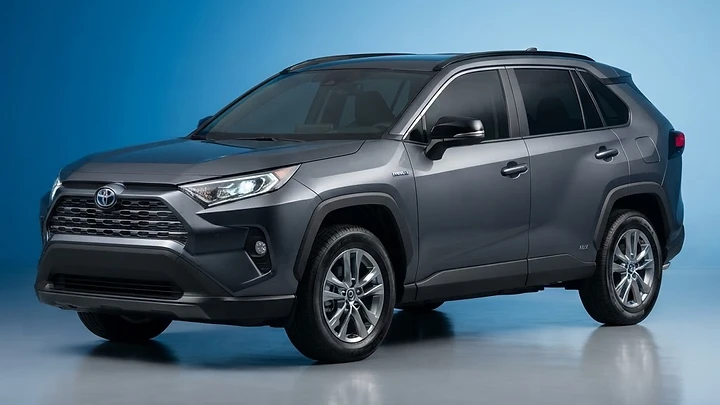
There is a quiet revolution happening on American highways. As the sun dips below the horizon, painting the sky in hues of amber and violet, you might notice a new kind of silence—the seamless, whisper-quiet transition of a modern hybrid vehicle as it glides through traffic. For many families, the dream of an electrified future once felt like a distant, expensive promise. But in 2026, that future has arrived in a more practical, accessible form. With gas prices hovering around $4.35 a gallon, the shift toward hybrid technology isn't just a trend; it is a fundamental change in how we define the open road.
The Hybrid Surge: Why Americans Are Choosing Efficiency In 2026, the automotive landscape has shifted dramatically.
According to recent industry data, hybrids now account for over 17% of new vehicle sales, a significant jump from previous years. Why the sudden change? It comes down to a simple, honest reality: affordability and flexibility. While battery-electric vehicles (BEVs) continue to evolve, many buyers are finding that the hybrid powertrain—combining a traditional internal combustion engine with an electric motor—offers the perfect bridge. You get the peace of mind of a gas station on every corner, paired with the fuel-sipping efficiency that keeps your monthly budget intact. 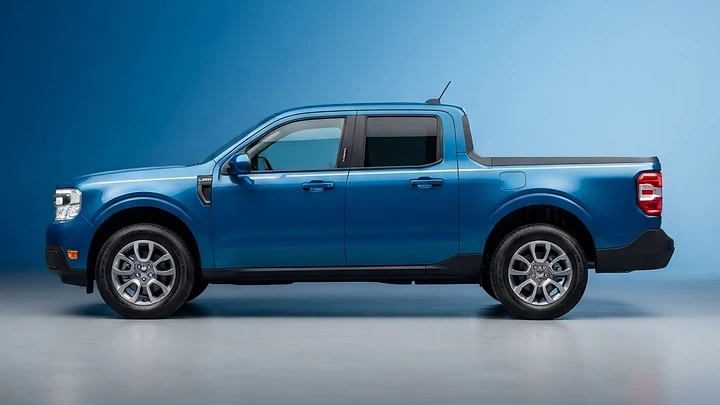
Financial Transparency: The Real Cost of Ownership When you look at the numbers, the case for a hybrid becomes even more compelling.
Experian reports that hybrids currently offer the lowest average monthly payment for new loans across all fuel types, sitting at approximately $646. Compare that to $692 for EVs and $721 for traditional gas-powered vehicles, and the financial advantage is clear. Beyond the monthly payment, the three-year total cost of ownership for a hybrid is often lower than a comparable gas-only model. This is driven by two factors: lower fuel consumption and higher residual values. When you buy a 2026 Toyota RAV4 Hybrid or a Ford Maverick Hybrid, you aren't just buying a car; you are investing in a vehicle that holds its value remarkably well in today's market. 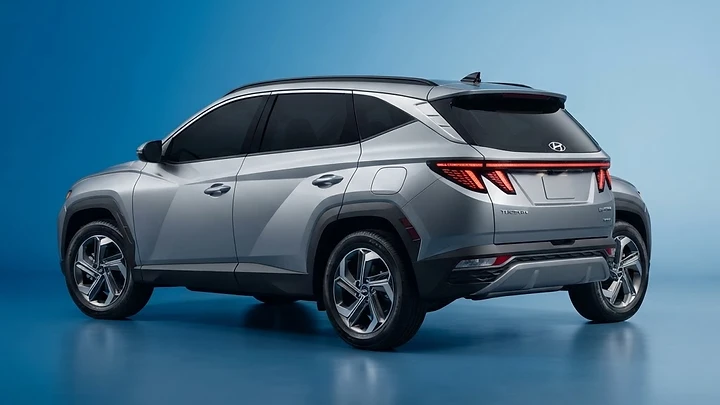

Choosing the Right Hybrid for Your Lifestyle The variety of hybrid options in 2026 is staggering.
Whether you need the rugged utility of a truck like the Ford Maverick, which starts at a competitive price point, or the refined comfort of a family SUV like the Hyundai Tucson Hybrid, there is a model for every need. For those who prioritize maximum efficiency, the Toyota Prius remains the gold standard, boasting an impressive 57 mpg combined. If you need more space, the Hyundai Palisade Hybrid offers a premium experience without the range anxiety that can sometimes accompany pure electric vehicles. The key is to assess your daily commute and family needs before heading to the dealership. 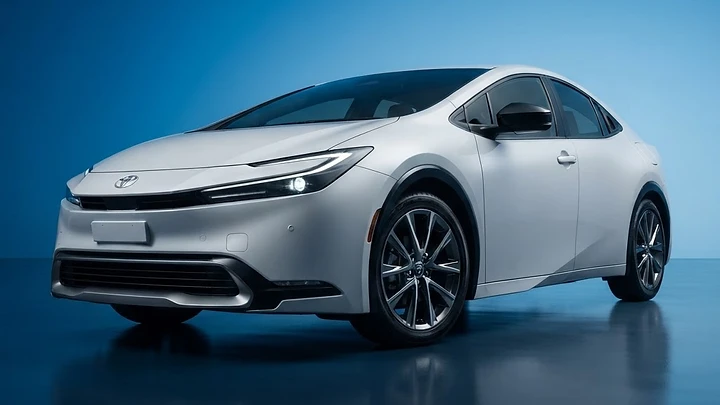

Navigating the Market Without Pressure The most important advice we can give at Carummah is to ignore the noise.
Dealerships may push you toward whatever inventory they have in excess, but your priority should be your own financial health. Because hybrid demand is high, you may find that some popular models are harder to locate. Do not feel pressured to overpay for a used hybrid just because it is available today. In some cases, the price gap between a used hybrid and a brand-new 2026 model is negligible. Always check the MSRP and compare it against the used market index before signing any paperwork. 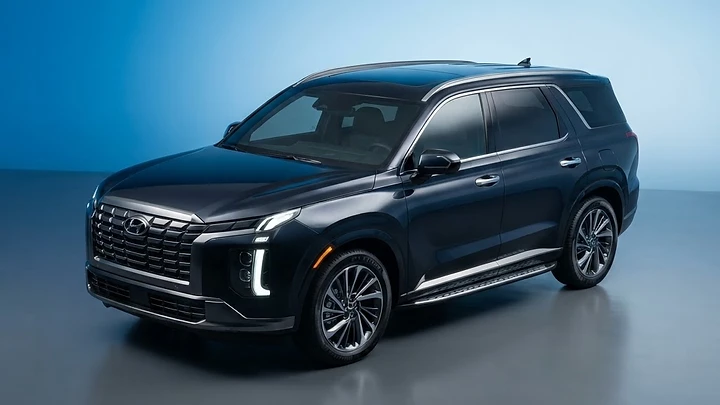

Frequently Asked Questions
Are hybrids really cheaper to maintain than gas cars?
Generally, yes. Because hybrids use regenerative braking, your brake pads often last significantly longer than those on a traditional gas car. Additionally, the reduced strain on the internal combustion engine can lead to lower long-term maintenance costs. #
Do I need a special charger for a hybrid?
No. A standard hybrid (HEV) charges itself while you drive through regenerative braking and the engine. You only need a home charging setup if you choose a Plug-in Hybrid (PHEV) and want to utilize its electric-only range. #
Will hybrid batteries need expensive replacements?
Most modern hybrid batteries are designed to last the life of the vehicle. Manufacturers typically offer extensive warranties—often 8 to 10 years—covering the battery pack, providing peace of mind for long-term owners. #
Is a hybrid better for city or highway driving?
Hybrids excel in both, but they are particularly efficient in city driving where regenerative braking is used most frequently. However, modern hybrids are also highly optimized for highway cruising, making them versatile for any commute.
The Bottom Line The 2026 market proves that you don't have to sacrifice performance or style to be efficient.
Hybrids are currently the most logical choice for the average American buyer, offering a blend of reliability, lower monthly payments, and real-world fuel savings. If you are looking for a vehicle that respects your budget while delivering a modern driving experience, start your search with the latest hybrid offerings. They are the bridge to the future, and they are ready to drive today.
The cars in this story
The real price and honest verdict on each one
- 2026 Ford MaverickCompact Pickup · from $28,145
- 2026 Toyota PriusCompact Sedan · from $28,550
- 2026 Hyundai TucsonCompact SUV · from $29,450
- 2026 Hyundai PalisadeMid-Size SUV · from $39,435
More car news

EV Tires: The 2026 Honest Buyer’s Guide to Replacement
Confused about EV tires? Learn why electric vehicles wear tires differently and how to choose the right replacements to maintain range, safety, and comfort.

Hybrid vs Gas: The 2026 Honest Buyer’s Guide to Savings
Is a hybrid worth the extra cost in 2026? We break down the real-world math, maintenance, and ownership costs to help you make the right choice.

Buying a Hybrid in 2026: The Honest Buyer’s Reality Check
Thinking about a hybrid? With gas prices fluctuating and tax credits gone, here is the honest truth about buying a hybrid car in 2026 to save you money.