2026 Hybrid Buying Guide: Is a Hybrid Right for You?
Considering a 2026 hybrid? Discover if the fuel savings, reliability, and driving experience of the latest hybrid SUVs and sedans match your lifestyle.
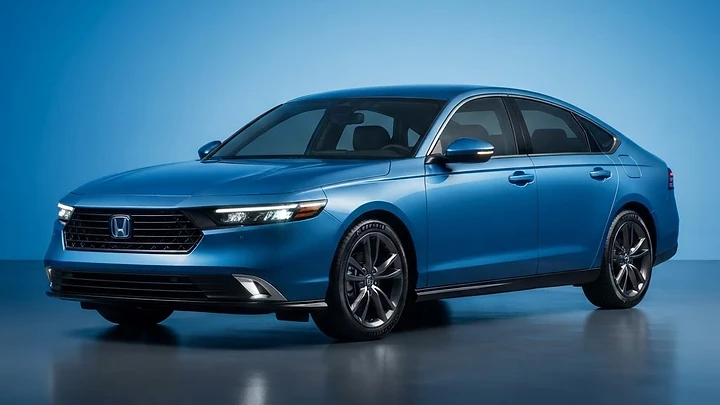
There is a specific kind of magic that happens when you pull away from a stoplight in near-total silence, the electric motor humming with effortless torque before the gasoline engine seamlessly joins the symphony. For the modern American driver, the 2026 hybrid market has evolved from a niche experiment into a masterclass of engineering, offering a bridge between the convenience of traditional fueling and the efficiency of electrification. Whether you are navigating the dense urban sprawl or planning a cross-country family adventure, the latest generation of hybrids promises to change how you perceive the open road.
Why Hybrids Are Dominating the 2026 Market The automotive landscape has shifted dramatically, with hybrids now capturing a record share of the market as buyers seek a middle ground between high gas prices and the charging infrastructure anxiety associated with pure EVs.
Unlike plug-in hybrids (PHEVs) that require a dedicated home charger to maximize their potential, traditional hybrids—often called self-charging hybrids—manage their own energy through regenerative braking. This means you get the benefit of 35-50+ MPG without changing your daily routine. Models like the 2026 Honda Accord Hybrid, starting around $33,795, prove that you don't have to sacrifice performance for efficiency, offering a refined driving experience that feels premium at every turn. 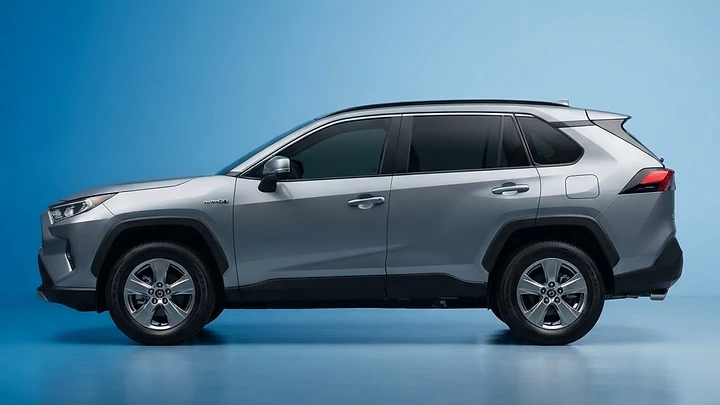
Hybrid vs.
Plug-In Hybrid: Which Fits Your Life? Understanding the difference is critical to your long-term satisfaction. A standard hybrid is a "set it and forget it" vehicle, ideal for those who want better fuel economy without the hassle of cables. A Plug-In Hybrid (PHEV), such as the 2026 Hyundai Tucson Plug-In Hybrid, offers a distinct advantage: the ability to drive short distances—often 30 to 80 miles—on pure electricity. If you have a short commute and a garage, a PHEV can effectively turn your car into an EV for your daily errands while keeping the gas engine ready for long-distance road trips. However, keep in mind that Consumer Reports has noted that some PHEVs can be more complex to maintain, so transparency in your driving habits is key to choosing the right powertrain. 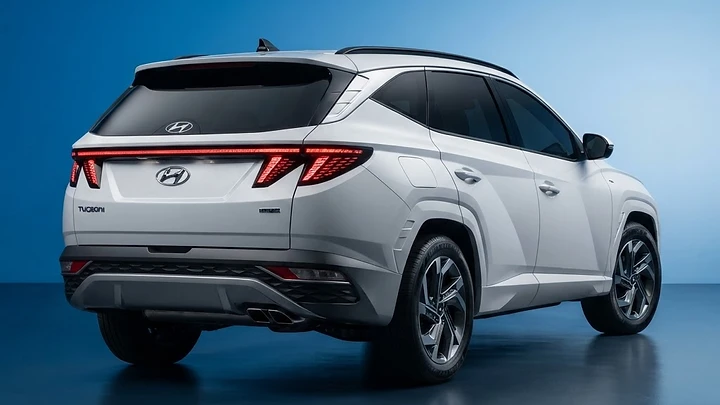

Real-World Value and Ownership Costs When we talk about value, we aren't just looking at the MSRP.
We are looking at the total cost of ownership. The 2026 Toyota Sienna, for instance, has made the hybrid powertrain standard, signaling a shift where efficiency is no longer an "extra" feature but a baseline expectation. With 0% APR financing offers appearing on models like the 2026 Kia Sorento Hybrid, the barrier to entry is lower than ever. When calculating your budget, factor in the potential for lower maintenance costs on brake pads—thanks to regenerative braking—and the undeniable peace of mind that comes with fewer trips to the gas station. 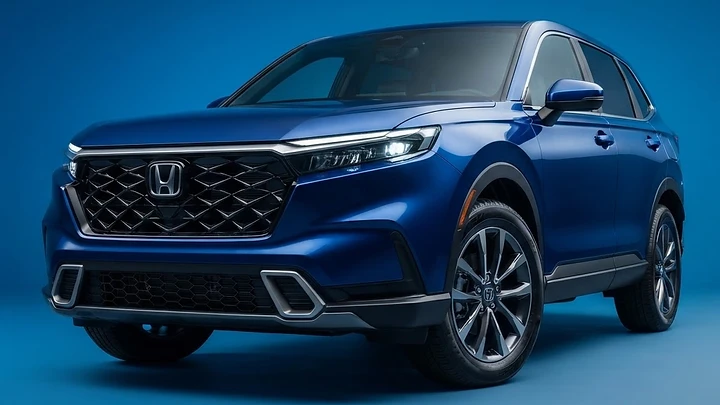

Frequently Asked Questions
Do I need to plug in a standard hybrid?
No. Standard hybrids charge their batteries automatically while you drive, primarily through regenerative braking. You only need to plug in if you purchase a Plug-In Hybrid (PHEV).
Are hybrids more expensive to repair?
Generally, no. While the battery systems are complex, they are designed to last the life of the vehicle. Many components, like brake pads, actually last longer on hybrids because the electric motor handles much of the deceleration.
Is a hybrid worth it if I mostly drive on the highway?
Yes. While hybrids shine in stop-and-go city traffic, modern hybrid systems are highly efficient at highway speeds as well. Models like the 2026 Honda CR-V Hybrid are engineered to optimize fuel consumption across all driving conditions.
How long do hybrid batteries last?
Most manufacturers offer warranties on hybrid batteries for 8 to 10 years or 100,000 miles. In practice, many modern hybrid batteries are lasting well beyond these estimates, often outliving the vehicle itself. 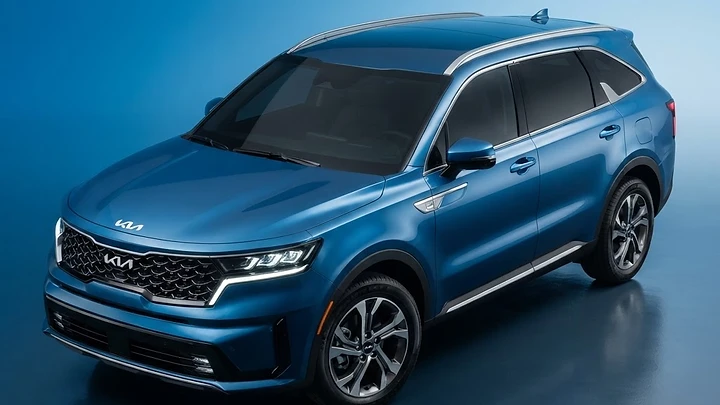

The Bottom Line Choosing a 2026 hybrid is about more than just saving money at the pump; it is about embracing a more refined, responsive, and sustainable way to travel.
If you prioritize simplicity and reliability, a traditional hybrid like the Honda Accord or Toyota RAV4 is likely your best path forward. If you have the ability to charge at home and want to minimize your carbon footprint on daily commutes, a PHEV like the Hyundai Tucson or Kia Sorento offers the best of both worlds. At Carummah, we believe the best car is the one that fits your life perfectly—without the pressure of a dealership floor. Take your time, test drive both, and enjoy the quiet, powerful future of the road.
The cars in this story
The real price and honest verdict on each one
- 2026 Kia SorentoMid-Size SUV · from $31,990
- 2026 Hyundai TucsonCompact SUV · from $29,450
- 2026 Toyota RAV4Compact SUV · from $31,900
- 2026 Honda CR-VCompact SUV · from $30,920
More car news

EV Tires: The 2026 Honest Buyer’s Guide to Replacement
Confused about EV tires? Learn why electric vehicles wear tires differently and how to choose the right replacements to maintain range, safety, and comfort.

Hybrid vs Gas: The 2026 Honest Buyer’s Guide to Savings
Is a hybrid worth the extra cost in 2026? We break down the real-world math, maintenance, and ownership costs to help you make the right choice.

Buying a Hybrid in 2026: The Honest Buyer’s Reality Check
Thinking about a hybrid? With gas prices fluctuating and tax credits gone, here is the honest truth about buying a hybrid car in 2026 to save you money.