2026 Hybrid Buying Guide: Finding Real Value at the Pump
Ready to save on fuel? Our 2026 hybrid buying guide helps you navigate the market, compare real-world MPG, and find the best value for your next vehicle.
Imagine the silence of a crisp morning, the gentle hum of an electric motor engaging as you pull away from your driveway, and the quiet confidence of knowing your next thousand miles will cost a fraction of what they used to. In 2026, the automotive landscape has shifted dramatically. The open road is no longer just about raw horsepower; it is about the elegant marriage of efficiency and engineering. For the modern American buyer, the 2026 hybrid buying guide is your compass in a market where fuel economy is finally meeting real-world utility. Whether you are navigating the urban sprawl or planning a cross-country family adventure, the right hybrid can transform your relationship with the gas pump.
Why Hybrids Are Winning the 2026 Market The days when hybrids were niche, underpowered experiments are long gone.
Today, automakers have integrated hybrid powertrains into everything from compact sedans to rugged three-row SUVs. According to recent market data, hybrids are currently among the most reliable vehicles on the road, often outperforming their pure internal combustion counterparts in long-term durability. When you choose a hybrid, you aren't just buying a car; you are investing in a proven technology that balances the convenience of gasoline with the efficiency of electrification. For many, this is the perfect bridge to a more sustainable future without the anxiety of finding a charging station on a remote highway. 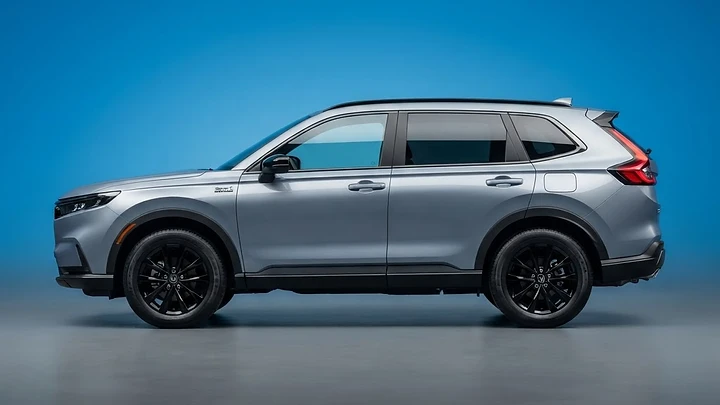
Real-World Efficiency: What to Expect at the Pump When we talk about fuel economy, the numbers can sometimes feel abstract.
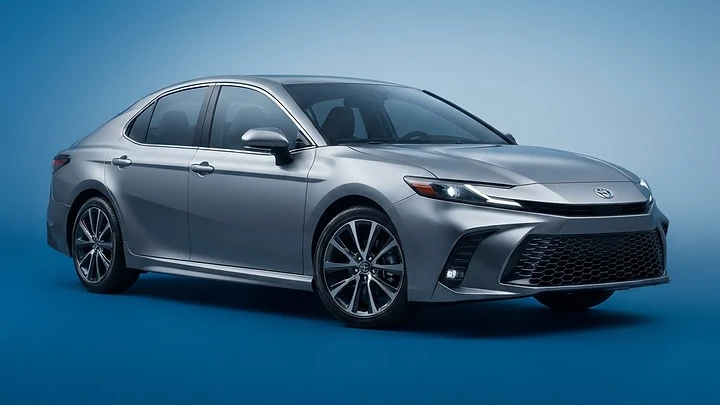
However, in 2026, the reality is impressive. Take the 2026 Toyota Camry Hybrid, which achieves an EPA-estimated 48 mpg overall, or the 2026 Honda CR-V Sport Hybrid, which delivers a robust 40 mpg combined. These aren't just laboratory figures; they are achievable benchmarks that translate to hundreds of dollars in annual savings. If you are a commuter, these numbers mean fewer stops and more money in your pocket. If you are a family, that extra efficiency allows you to allocate your budget toward the experiences that matter most, rather than the fuel required to reach them. 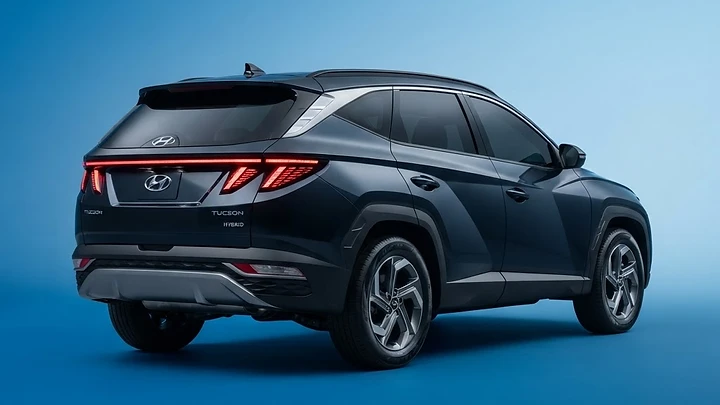

Choosing Between Hybrid and Plug-In Hybrid (PHEV) One of the most common questions we hear is: "Should I go for a standard hybrid or a plug-in?" The answer depends entirely on your lifestyle. A standard hybrid is a "set it and forget it" solution—it charges itself through regenerative braking and engine power. It is ideal for those without easy access to home charging. A Plug-In Hybrid (PHEV), like the 2026 Lexus NX 450h+, offers the best of both worlds. With a dedicated electric-only range, you can handle your daily errands on pure electricity, while the gas engine stands ready for long-distance travel. If you have a garage with a charger, a PHEV can effectively eliminate your daily fuel costs entirely. 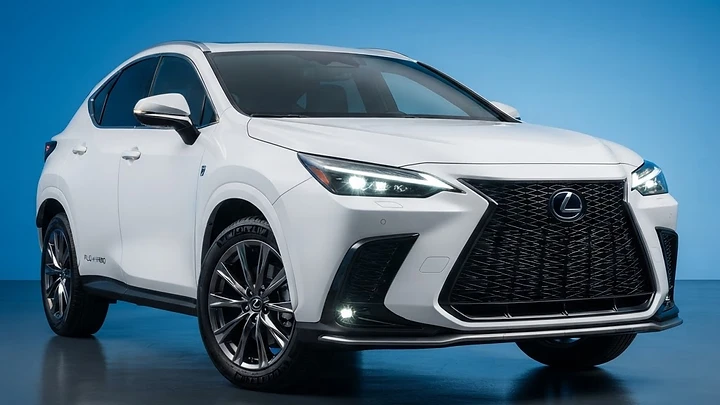

Reliability and Long-Term Ownership Value Transparency is the cornerstone of a smart purchase.
While EVs are gaining ground, hybrids remain the gold standard for reliability in 2026. Because they utilize smaller, less stressed engines paired with electric motors, they often experience less wear and tear over time. When shopping, look for models with strong track records, such as the 2026 Hyundai Tucson Hybrid, which has earned accolades for both its value and its family-friendly utility. Remember, the "best" car is the one that fits your life, not just the one with the highest sticker price. Always prioritize a vehicle that offers the safety features you need, like automatic emergency braking and blind-spot monitoring, which are now standard on most top-tier hybrid trims. 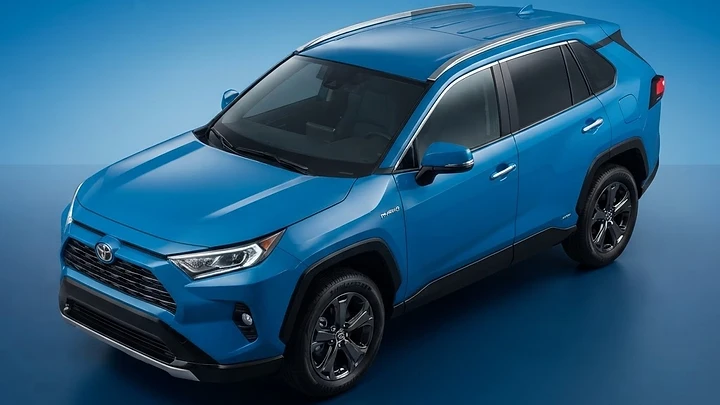

Frequently Asked Questions
Are hybrids more expensive to maintain than gas cars?
Generally, no. Hybrids often have lower maintenance costs because regenerative braking reduces wear on brake pads and rotors, and the electric motor assists the engine, reducing overall strain. #
Do I need a special charger for a hybrid?
A standard hybrid does not require any external charging. A Plug-In Hybrid (PHEV) can be charged using a standard 120V household outlet, though a 240V Level 2 charger will speed up the process significantly. #
Is a hybrid worth the extra upfront cost?
In 2026, the price gap between gas and hybrid models has narrowed significantly. When you factor in fuel savings over a 5-year ownership period, most hybrid models pay for their price premium within the first few years of driving. #
Can I take a hybrid on a long road trip?
Absolutely. Because hybrids use gasoline for long-distance travel, they are arguably the best road-trip vehicles available today, offering the range of a traditional car with the efficiency of a modern hybrid system.
The Bottom Line The 2026 market offers an unprecedented level of choice for the fuel-conscious buyer.
If you prioritize simplicity and reliability, a traditional hybrid like the Toyota Camry or Honda CR-V is an exceptional choice that will serve you well for years. If you have the ability to charge at home and want to maximize your electric-only driving, a PHEV like the Lexus NX 450h+ provides a premium, versatile experience. Regardless of your choice, the most important step is to test drive your top two contenders back-to-back. Feel the transition between power sources, evaluate the cabin comfort, and ensure the technology feels intuitive to you. You are in the driver's seat—make the choice that brings you peace of mind.
The cars in this story
The real price and honest verdict on each one
- 2026 Lexus NXCompact Luxury SUV · from $43,000
- 2026 Honda CR-VCompact SUV · from $30,920
- 2026 Toyota CamryMid-Size Sedan · from $28,850
- 2026 Hyundai TucsonCompact SUV · from $29,450
More car news

Hybrid vs Plug-in Hybrid: The 2026 Honest Buyer’s Guide
Confused by hybrid options? We break down the real-world costs, reliability, and driving habits to help you choose the right 2026 hybrid for your lifestyle.

Hybrid vs Gas: The 2026 Honest Buyer’s Guide to Savings
Is a hybrid worth the extra cost in 2026? We break down the real-world fuel savings, depreciation, and ownership costs to help you make the right choice.

Solar-Powered Cars: The 2026 Honest Buyer’s Reality Check
Are solar-powered cars worth the hype in 2026? We break down the reality of solar roofs, charging efficiency, and whether they actually save you money.