2026 Hybrid Buying Guide: Are They Worth the Extra Cost?
Considering a hybrid in 2026? We break down the real-world ownership costs, fuel savings, and reliability data to help you decide if it's the right choice.
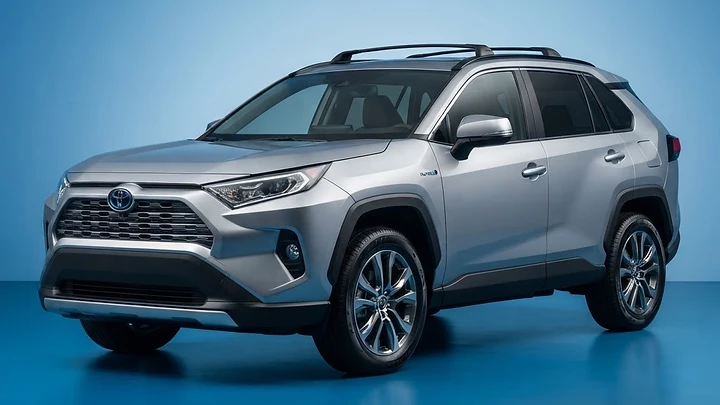
Imagine the silence of a crisp morning as you pull out of your driveway, the electric motor humming with a quiet, futuristic efficiency that feels like a glimpse into a cleaner tomorrow. For many American families, the 2026 automotive landscape is defined by this transition—a shift toward electrification that promises both lower fuel bills and a smaller carbon footprint. But as you stand on the precipice of your next vehicle purchase, the question isn't just about the technology; it's about the math. Is the premium you pay for a hybrid powertrain actually worth the long-term investment, or is it just a shiny badge on a familiar machine?
The Real Cost of Hybrid Ownership in 2026 When we talk about the "true cost" of a vehicle, we have to look beyond the sticker price.
According to the 2026 AAA Your Driving Costs study, the average annual cost of vehicle ownership has climbed to $12,863. While electric vehicles often grab the headlines, hybrids have quietly emerged as the most consistent value play for the average driver. By combining meaningful fuel savings with manageable depreciation, hybrids like the 2026 Toyota RAV4 Hybrid and the 2026 Honda CR-V Hybrid are proving to be the smart, pragmatic choice for families who want efficiency without the range anxiety of a full EV. 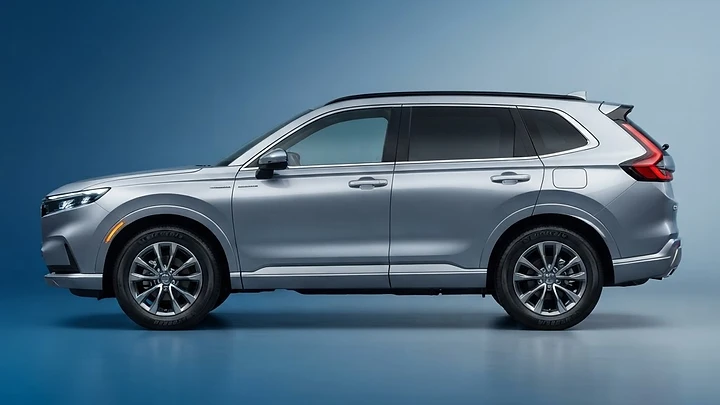

Fuel Savings vs.
Upfront Premium It is a common misconception that hybrids are always more expensive to own. While the initial purchase price of a hybrid is typically higher—for instance, the 2026 Toyota Corolla Hybrid LE commands a slight premium over its gas-only counterpart—the fuel savings are immediate. At 15,000 miles per year, the math often favors the hybrid within just a few years of ownership. You aren't just saving at the pump; you are buying a more refined, smoother driving experience that holds its value remarkably well in the secondary market. 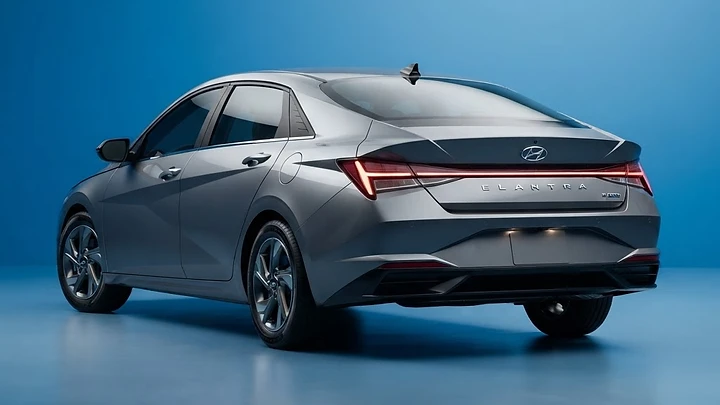

Reliability and Long-Term Durability One of the biggest concerns for buyers is the complexity of hybrid systems.
Does adding a battery and electric motors mean more things to break? The data suggests otherwise. Modern hybrid powertrains, particularly those from manufacturers like Toyota and Honda, have reached a level of maturity that rivals traditional internal combustion engines. With 10-year/100,000-mile battery warranties becoming the industry standard, the risk of a catastrophic repair bill is significantly mitigated, allowing you to focus on the joy of the drive rather than the fear of the shop. 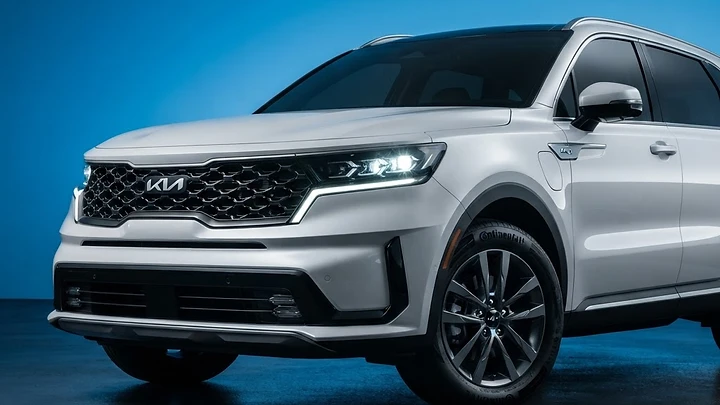

Choosing the Right Hybrid for Your Lifestyle Whether you need the compact agility of a 2026 Hyundai Elantra Hybrid for your daily commute or the family-hauling capability of a 2026 Kia Sorento Plug-In Hybrid, there is a configuration for every need.
If you have a short commute and access to home charging, a Plug-In Hybrid (PHEV) can offer the best of both worlds, allowing for pure electric driving during the week and gas-powered freedom on long weekend road trips. 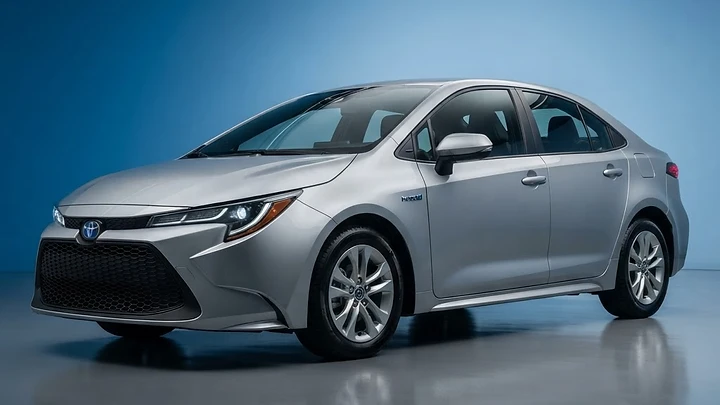

Frequently Asked Questions Are hybrids really cheaper to maintain than gas cars? Yes, in many cases. Hybrids often see less wear on brake pads due to regenerative braking, and the lack of a traditional starter motor and alternator reduces the number of moving parts that can fail over time. How long does a hybrid battery last? Most manufacturers now offer 10-year/100,000-mile warranties on hybrid batteries. In real-world conditions, many modern hybrid batteries are lasting well beyond 150,000 miles. Is a Plug-In Hybrid (PHEV) worth the extra cost over a standard hybrid? It depends on your driving habits. If you can charge at home and your daily commute is under 30-40 miles, a PHEV can save you significantly more on fuel than a standard hybrid. Do hybrids lose value faster than gas cars? Actually, the opposite is often true. Because of their fuel efficiency and proven reliability, hybrids tend to hold their resale value better than comparable gas-only models in the current market.
The Bottom Line If you are looking for a vehicle that balances modern technology with honest, long-term value, the 2026 hybrid market is your best destination.
While the upfront cost is slightly higher, the combination of lower fuel consumption, reduced maintenance, and strong resale value makes the hybrid a clear winner for the average American buyer. Don't let the complexity intimidate you; these are the most refined, efficient, and reliable vehicles on the road today.
The cars in this story
The real price and honest verdict on each one
- 2026 Kia SorentoMid-Size SUV · from $31,990
- 2026 Toyota CorollaCompact Sedan · from $22,475
- 2026 Hyundai ElantraCompact Sedan · from $22,625
- 2026 Honda CR-VCompact SUV · from $30,920
More car news

EV Tires: The 2026 Honest Buyer’s Guide to Replacement
Confused about EV tires? Learn why electric vehicles wear tires differently and how to choose the right replacements to maintain range, safety, and comfort.

Hybrid vs Gas: The 2026 Honest Buyer’s Guide to Savings
Is a hybrid worth the extra cost in 2026? We break down the real-world math, maintenance, and ownership costs to help you make the right choice.

Buying a Hybrid in 2026: The Honest Buyer’s Reality Check
Thinking about a hybrid? With gas prices fluctuating and tax credits gone, here is the honest truth about buying a hybrid car in 2026 to save you money.