2026 Hybrid SUV Value: Is the Premium Actually Worth It?
Thinking about a 2026 hybrid SUV? We break down the real-world math, fuel savings, and maintenance costs to see if the hybrid premium pays off for you.
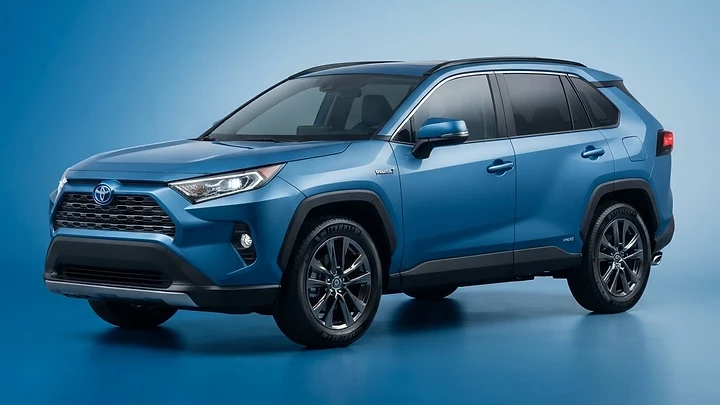
There is a specific kind of magic in the silence of a hybrid powertrain as it pulls away from a stoplight, a seamless transition from electric hum to internal combustion that feels like the future arriving in your driveway. For the American family, the 2026 hybrid SUV represents more than just a vehicle; it is a promise of freedom from the constant tether of the gas pump and a step toward a more efficient way of navigating our vast, beautiful landscapes. Yet, as you stand on the showroom floor, the sticker price can feel like a hurdle. Is that extra investment truly justified by the miles ahead, or is it just a clever marketing play? At Carummah, we believe in total transparency, so let’s strip away the dealership jargon and look at the cold, hard math of hybrid ownership in 2026.
The Real Cost of the Hybrid Premium When you compare a 2026 Toyota Highlander or a Honda CR-V against their gas-only counterparts, you will almost always see a price gap.
For the Highlander, that premium sits consistently at $1,750 across most trims. For the CR-V, the gap is similar, often hovering around $2,000 depending on the dealer markup. This upfront cost is the primary barrier for most buyers. However, the 'worth' of this premium is not static; it is a moving target dictated by your driving habits, local fuel prices, and how long you plan to keep the vehicle. If you are a high-mileage commuter, that $1,750 premium can evaporate in fuel savings in less than three years. 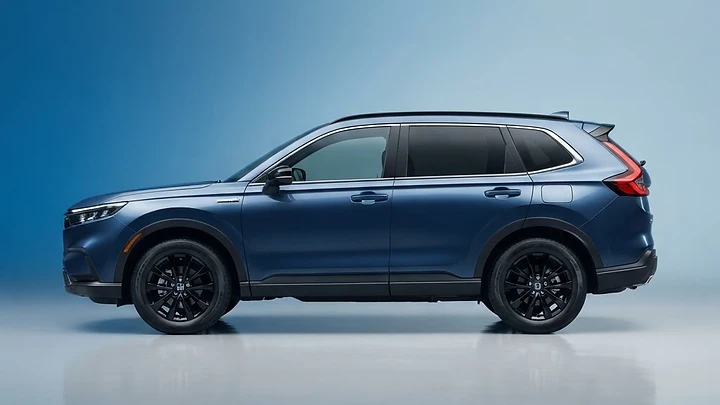
Fuel Savings: The Long-Term Math The math behind hybrid efficiency is compelling when you look at the five-year horizon.
Based on current 2026 averages, a Toyota RAV4 Hybrid XLE achieves 39 mpg, while the gas-only XLE manages 30 mpg. Over 15,000 miles a year, the hybrid saves you roughly $400 to $700 annually in fuel costs alone. When you project this over five years, you are looking at over $2,000 back in your pocket. In states where gas prices fluctuate toward the higher end, such as the $4.36/gallon average seen in some regions during 2026, the breakeven point arrives even faster. The thirstier the gas model, the more dramatic the savings become when you switch to a hybrid powertrain. 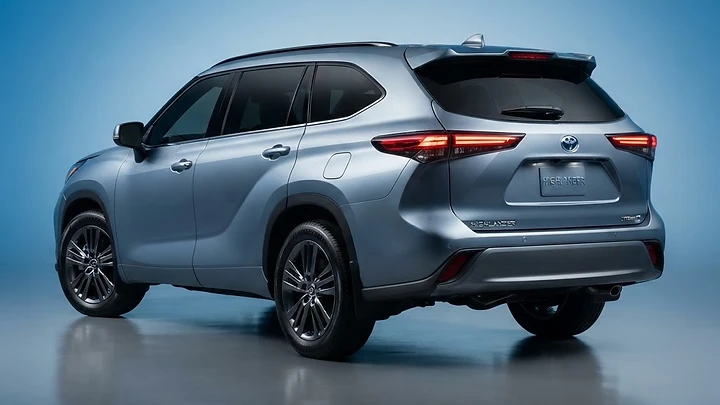

Maintenance Myths and Realities One of the most overlooked aspects of hybrid ownership is the long-term maintenance advantage.
Because hybrid systems utilize regenerative braking, your brake pads are under significantly less stress, often lasting 80,000 to 100,000 miles. Furthermore, the internal combustion engine in a hybrid is not working as hard as a traditional engine, which can extend the life of your oil and transmission components. While some fear the complexity of the battery, modern hybrid reliability—particularly from brands like Toyota and Honda—has proven that these systems are built for the long haul. You aren't just paying for fuel efficiency; you are paying for a vehicle that is engineered to endure. 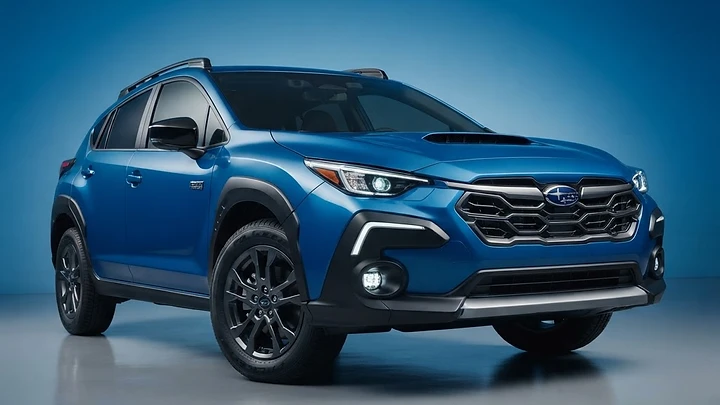

Resale Value and Market Trends It is a fact that hybrids as a group have held their value better than traditional SUVs.
Recent data shows that while the average SUV loses nearly 45% of its value over five years, hybrids are losing closer to 35%. This means that when it comes time to trade in or sell your 2026 model, you are likely to recoup a larger portion of that initial 'hybrid premium' than you would with a gas-only vehicle. In a market where buyers are increasingly prioritizing efficiency, your hybrid SUV becomes a more attractive asset on the secondary market. 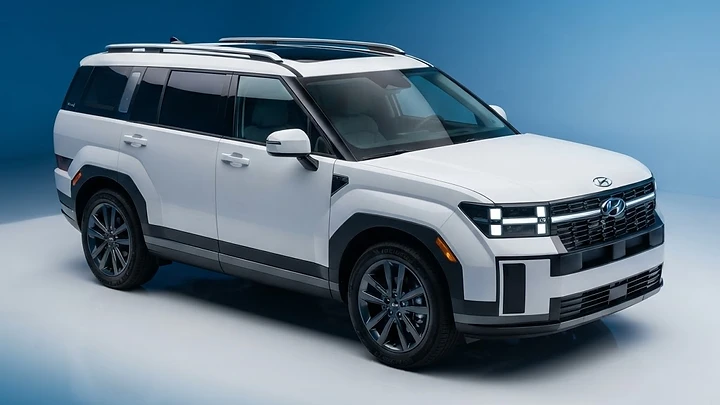

Frequently Asked Questions
Are hybrid SUVs worth the extra money in 2026?
For most drivers covering 12,000 to 15,000 miles annually, yes. The combination of fuel savings and lower maintenance costs typically allows you to break even on the price premium within 3 to 5 years. #
Do I need to change my driving habits for a hybrid?
Not at all. Modern hybrids are designed to be 'plug-and-play.' You do not need to change your driving style or install home charging equipment unless you opt for a Plug-in Hybrid (PHEV). #
Is a hybrid SUV better for family road trips?
Absolutely. The increased range means fewer stops at the pump, and the smooth, quiet operation of the electric motor makes for a more relaxing cabin environment during long highway stretches. #
Does the hybrid battery eventually need replacing?
While all batteries degrade over time, most manufacturers offer extensive warranties (often 8 to 10 years) on hybrid components, providing peace of mind for the duration of your ownership.
The Bottom Line If you are looking for a vehicle that balances daily utility with long-term financial sense, the 2026 hybrid SUV is a clear winner.
While the upfront cost is higher, the combination of reduced fuel consumption, lower maintenance requirements, and superior resale value makes it a smarter choice for the average American family. Don't let the sticker price intimidate you; look at the five-year cost of ownership, and you will see that the hybrid premium is an investment that pays dividends every time you pull away from the pump.
The cars in this story
The real price and honest verdict on each one
- 2026 Toyota HighlanderMid-Size SUV · from $46,270
- 2026 Honda CR-VCompact SUV · from $30,920
- 2026 Toyota RAV4Compact SUV · from $31,900
- 2026 Subaru CrosstrekCompact Crossover SUV · from $26,995
More car news

Hybrid vs Plug-in Hybrid: The 2026 Honest Buyer’s Guide
Confused by hybrid options? We break down the real-world costs, reliability, and driving habits to help you choose the right 2026 hybrid for your lifestyle.

Hybrid vs Gas: The 2026 Honest Buyer’s Guide to Savings
Is a hybrid worth the extra cost in 2026? We break down the real-world fuel savings, depreciation, and ownership costs to help you make the right choice.

Solar-Powered Cars: The 2026 Honest Buyer’s Reality Check
Are solar-powered cars worth the hype in 2026? We break down the reality of solar roofs, charging efficiency, and whether they actually save you money.