2026 Plug-In Hybrid Guide: Is a PHEV Right for You?
Considering a 2026 plug-in hybrid? Discover if a PHEV fits your lifestyle, budget, and driving habits with our honest, expert-led car buying guide.
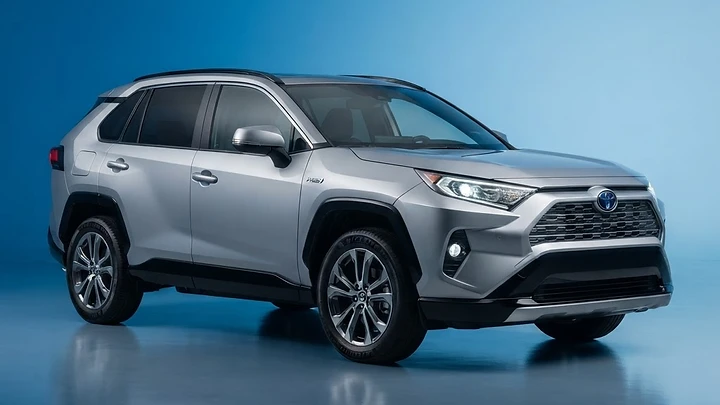
There is a specific kind of magic that happens when you pull out of your driveway in total silence, the electric motor humming with a quiet, futuristic energy that feels like gliding on air. For many American families, the 2026 plug-in hybrid (PHEV) represents the ultimate compromise: the ability to handle your daily school runs and grocery trips on pure electricity, while retaining the freedom of a gasoline engine for those long, cross-country road trips where charging infrastructure might still be a question mark. As we navigate the evolving landscape of 2026, choosing the right vehicle is about more than just specs; it is about finding a machine that aligns with your life, your budget, and your peace of mind.
Understanding the PHEV Advantage The primary appeal of a plug-in hybrid is its versatility.
Unlike a traditional hybrid that relies solely on regenerative braking to charge its small battery, a PHEV allows you to plug into a standard wall outlet or a Level 2 charger to replenish a larger battery pack. This typically grants you between 30 and 50 miles of electric-only range. For the average American commuter, this means you could potentially go weeks without visiting a gas station, provided you have a place to charge at home. When that battery is depleted, the vehicle seamlessly transitions to its gasoline engine, operating just like a standard hybrid. It is the best of both worlds, eliminating the 'range anxiety' that keeps many buyers away from full battery-electric vehicles (BEVs). 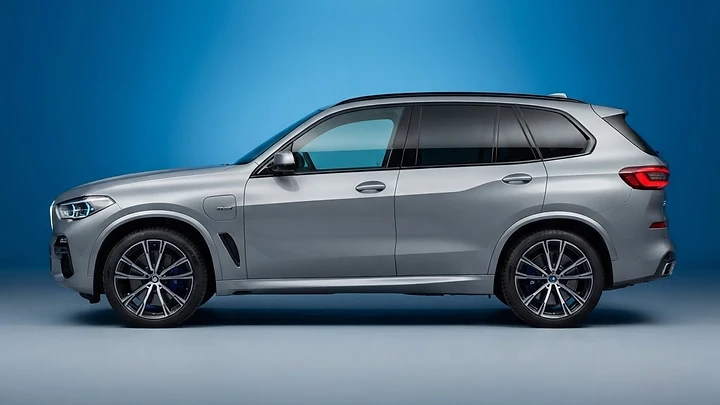
Real-World Costs and Ownership Value When you look at the 2026 market, the initial purchase price of a PHEV is often higher than its internal combustion engine (ICE) counterpart.
For instance, the 2026 Jeep Grand Cherokee 4xe carries a significant premium over the standard gas model. However, the long-term ownership value is where the math changes. Consumer Reports data suggests that maintenance costs for PHEVs are roughly half that of gas-powered cars, largely due to less wear and tear on the engine and braking systems. When calculating your budget, consider your electricity rates versus local gas prices. If you can charge at home during off-peak hours, the cost per mile drops significantly, often making the higher upfront cost a smart investment over a five-year ownership cycle. 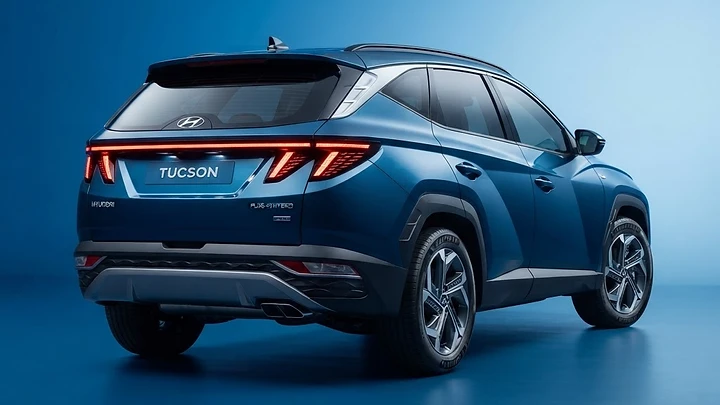

Top Contenders for 2026 The 2026 model year has brought a wave of impressive options.
The 2026 Toyota RAV4 Plug-In Hybrid has emerged as a leader in the compact SUV segment, offering a refined powertrain and a competitive electric range that hits the 'sweet spot' for most families. For those seeking luxury, the 2026 BMW X5 Hybrid continues to set the standard for performance and interior comfort, blending German engineering with the efficiency of modern electrification. Meanwhile, the 2026 Hyundai Tucson Plug-In Hybrid remains a value-packed favorite, offering a suite of standard safety features and a user-friendly infotainment system that makes daily driving a breeze. 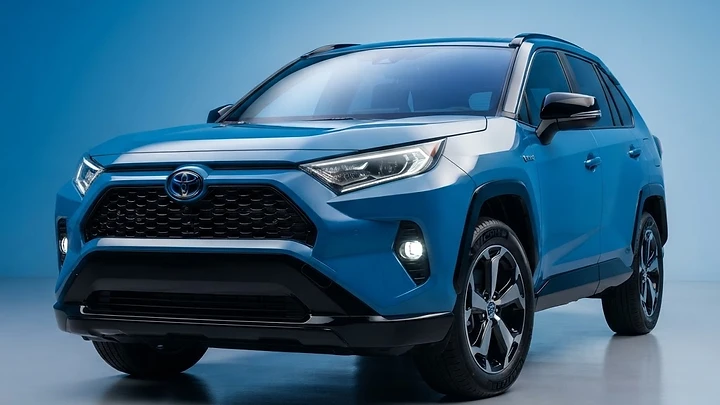

Frequently Asked Questions
How much electric range do I really need?
Most drivers find that 30-40 miles of electric range covers their daily errands. If your commute is longer, the gasoline engine will simply take over, so you are never stranded.
Do I need a special charger at home?
You can charge most PHEVs using a standard 120V household outlet, though it will take longer. Installing a 240V Level 2 charger will significantly reduce charging times, often allowing for a full charge in just a few hours.
Are PHEVs more expensive to maintain?
Generally, no. Because the electric motor handles much of the stop-and-go driving, the gasoline engine experiences less stress. Regenerative braking also extends the life of your brake pads.
Do I still get tax credits for a 2026 PHEV?
Federal tax credit eligibility changes frequently and depends on vehicle assembly location and battery sourcing. Always check the official IRS website before finalizing your purchase to see if your specific model qualifies. 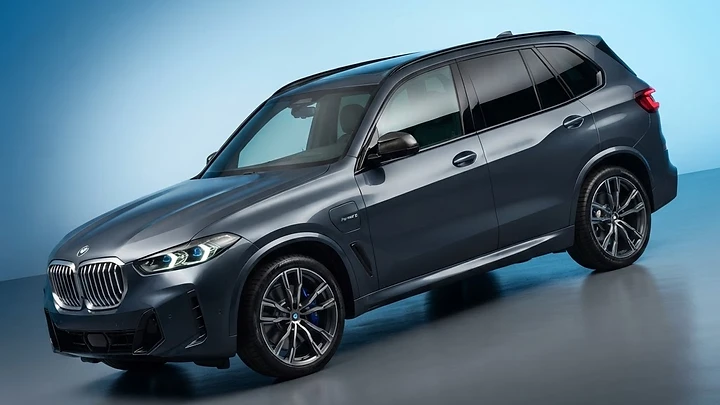

The Bottom Line Choosing a 2026 plug-in hybrid is a decision that rewards the practical driver who values both efficiency and freedom.
If you have access to home charging and want to reduce your carbon footprint without sacrificing the convenience of a gas engine, a PHEV is likely the smartest vehicle you can buy today. We recommend prioritizing models with at least 35 miles of electric range and checking your local utility provider for potential rebates on home charging equipment. Take the time to test drive your top two choices back-to-back; the way a vehicle handles the transition between electric and gas power is a key indicator of its overall refinement. At Carummah, we believe the right car is the one that makes your daily routine feel a little more effortless and a lot more enjoyable.
The cars in this story
The real price and honest verdict on each one
- 2026 BMW X5Mid-Size SUV · from $66,775
- 2026 Hyundai TucsonCompact SUV · from $29,450
- 2026 Dodge ChargerSports Car · from $49,995
- 2026 Toyota RAV4Compact SUV · from $31,900
More car news

Hybrid vs Plug-in Hybrid: The 2026 Honest Buyer’s Guide
Confused by hybrid options? We break down the real-world costs, reliability, and driving habits to help you choose the right 2026 hybrid for your lifestyle.

Hybrid vs Gas: The 2026 Honest Buyer’s Guide to Savings
Is a hybrid worth the extra cost in 2026? We break down the real-world fuel savings, depreciation, and ownership costs to help you make the right choice.

Solar-Powered Cars: The 2026 Honest Buyer’s Reality Check
Are solar-powered cars worth the hype in 2026? We break down the reality of solar roofs, charging efficiency, and whether they actually save you money.