Bidirectional Charging: Is Your 2026 EV a Power Plant?
Is your 2026 EV more than just a car? Discover how bidirectional charging turns your vehicle into a home power plant and if the tech is worth the investment.
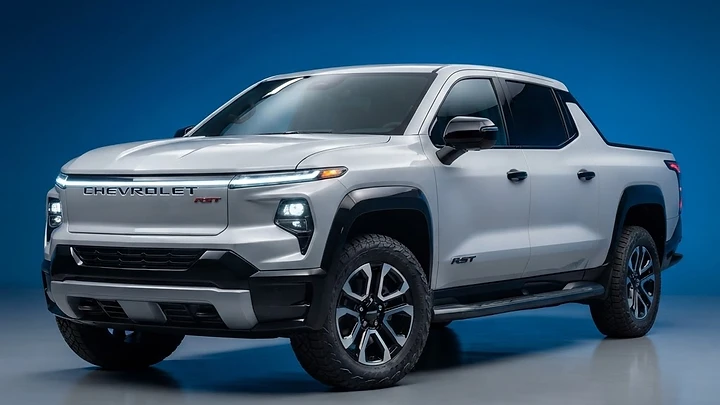
Imagine a stormy night where the grid flickers and dies, plunging your neighborhood into darkness. While others scramble for flashlights, your garage holds a secret: a massive, silent battery on wheels, ready to keep your lights, refrigerator, and internet running for days. This isn't science fiction; it is the reality of bidirectional charging in 2026. As an automotive journalist, I have seen many trends come and go, but the ability for your vehicle to act as a mobile power station is fundamentally changing what it means to own a car.
Understanding the Power Flow: V2L, V2H, and V2G To grasp the potential of your next vehicle, you need to understand the three main types of bidirectional energy flow.
First, there is Vehicle-to-Load (V2L), which allows you to plug appliances directly into your car’s outlet—perfect for camping or job sites. Then, there is Vehicle-to-Home (V2H), the holy grail for homeowners, which feeds energy back into your house during outages or peak-rate hours. Finally, Vehicle-to-Grid (V2G) allows you to sell excess energy back to the utility company. In 2026, models like the Chevrolet Silverado EV and various Polestar 3 configurations are leading the charge, turning the car from a simple transport tool into a critical piece of home infrastructure. 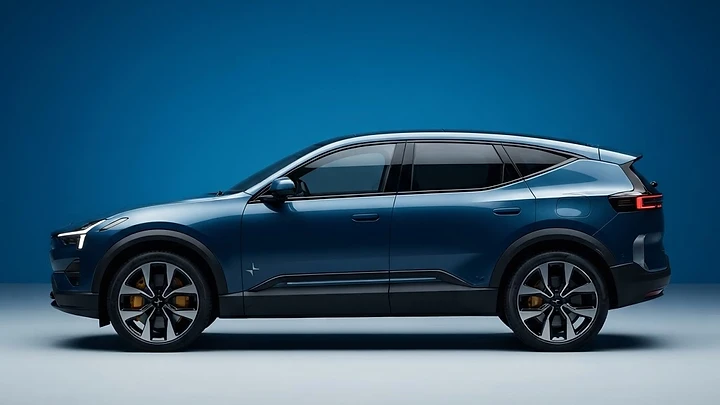
The Hardware Reality: What You Actually Need It is easy to get excited about the concept, but the execution requires specific equipment.
You cannot simply plug your car into a standard wall outlet to power your home. You need a bidirectional-capable EV, a specialized bidirectional wallbox, and an islanding controller to safely disconnect your home from the grid during an outage. While the average selling price for this equipment currently sits between $1,800 and $3,200, the long-term value proposition is shifting. With federal tax credits often covering up to 30% of the installation costs, the barrier to entry is lower than it was just two years ago. 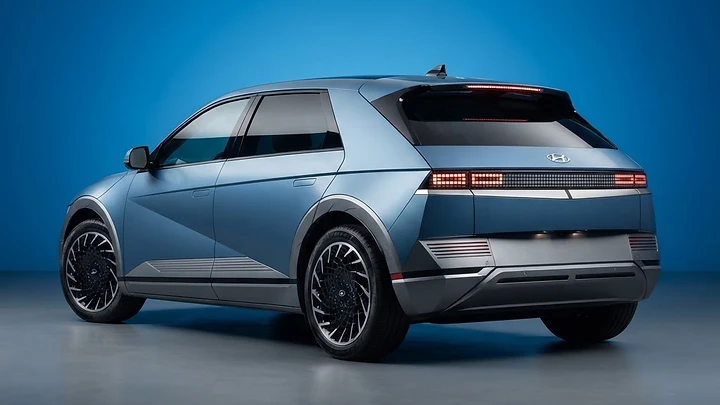

Is It Worth the Investment in 2026?
The question of "worth" depends entirely on your lifestyle. If you live in an area with frequent power outages, the peace of mind provided by V2H is nearly priceless. For those in regions with high "time-of-use" electricity rates, using your car to power your home during expensive peak hours—and recharging it during off-peak times—can lead to significant monthly savings. However, if you have a stable grid and low electricity costs, the payback period for the hardware remains relatively long. It is a strategic investment in resilience rather than a quick way to make money. 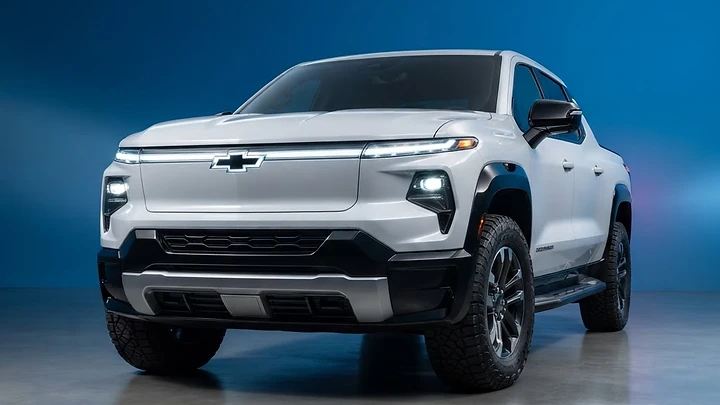

Battery Health and Long-Term Ownership One of the most common questions I hear from readers is whether discharging your car battery to power your home will kill its lifespan.
The good news is that modern battery management systems are incredibly sophisticated. Experts generally agree that bidirectional charging does not cause significant additional wear compared to standard driving and charging cycles. Your car’s software is designed to protect the battery's health, ensuring that you aren't sacrificing your vehicle's range for the sake of home backup. 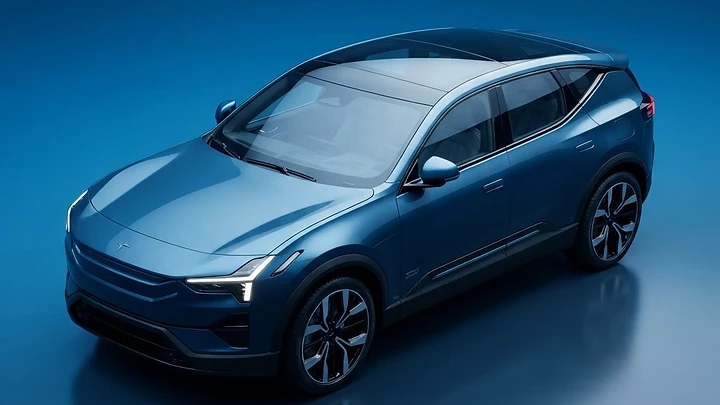

Frequently Asked Questions
Does every electric vehicle support bidirectional charging?
No. While the technology is growing, it is currently limited to specific models like the Chevrolet Silverado EV, Polestar 3, and select Hyundai/Kia platforms. Always check the manufacturer's specs before buying. #
Can I use V2H to power my entire house?
Yes, if your home is properly equipped with an islanding controller and a transfer switch. It can typically power essential circuits for several days, depending on your battery capacity and energy usage. #
Is V2G available everywhere?
V2G is highly dependent on your local utility provider. While the technology exists, many utility companies are still in the pilot phase of allowing customers to sell power back to the grid. #
Do I need a special charger for V2L?
No. V2L usually works through an onboard outlet or a simple adapter provided by the manufacturer, requiring no additional home installation.
The Bottom Line Bidirectional charging is the most exciting innovation in the automotive space for 2026.
If you are already in the market for a new EV, prioritizing a model with V2H capability is a smart, future-proof move. It transforms your vehicle into a resilient asset that protects your family during emergencies and helps manage your energy costs. While the initial setup cost is an investment, the combination of tax incentives and the sheer utility of having a mobile power plant makes it a "must-have" feature for the modern, tech-forward American household.
The cars in this story
The real price and honest verdict on each one
- 2026 Polestar Polestar 3Mid-Size Luxury SUV · from $67,500
- 2026 Dodge ChargerSports Car · from $49,995
- 2026 Honda PilotMid-Size SUV · from $42,195
More car news


2026 Car Buying: How to Navigate High Prices and Tech
Buying a car in 2026? Discover how to navigate record-high prices, essential tech features, and shifting market trends to secure the best deal for your needs.

Software-Defined Cars: The 2026 Honest Buyer’s Guide
Are software-defined cars worth the hype? Discover how over-the-air updates and subscription features are changing the 2026 car buying experience.

Head-Up Displays: Are They Worth It in 2026?
Are head-up displays worth the upgrade in 2026? We break down the safety, tech, and real-world value of HUDs to help you decide if you need one.