Buying an EV in 2026: Your Honest Guide to Real Savings
Federal tax credits are gone, but EV deals are better than ever. Learn how to navigate the 2026 market, find hidden rebates, and save on your next electric car.
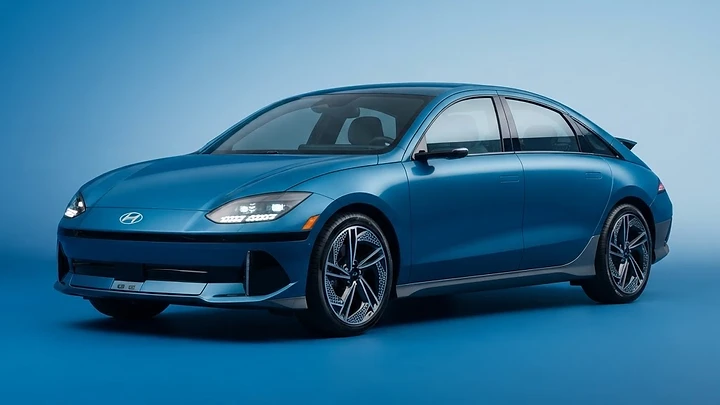
There is a quiet revolution happening on the American highway. As the sun dips below the horizon, painting the sky in hues of deep violet and gold, the silent, effortless surge of an electric motor offers a driving experience that feels less like transportation and more like pure, unadulterated progress. For many, the dream of owning an electric vehicle (EV) has never felt more attainable, yet the landscape has shifted dramatically. With the expiration of federal tax credits, the 2026 market demands a new level of savvy from the modern buyer. You are not just shopping for a car; you are navigating a complex ecosystem of state incentives, fluctuating energy costs, and a rapidly maturing secondary market.
The New Reality of EV Ownership Costs In 2026, the conversation around EV ownership has moved beyond the initial sticker price.
According to recent AAA analysis, the average annual cost to own and operate a new vehicle has climbed to $12,863, a figure that underscores the importance of total cost of ownership (TCO) transparency. While EVs often carry a higher upfront MSRP compared to their internal combustion counterparts, they continue to dominate in fuel efficiency. With home charging averaging 18 cents per kilowatt-hour, EV owners are seeing fuel costs 66% to 70% lower than those driving gas-powered vehicles. However, depreciation remains the silent thief of value. Medium-sized electric sedans, such as the 2026 Hyundai Ioniq 6, have shown higher depreciation rates than gas-powered rivals, making it essential for buyers to focus on long-term value rather than just the monthly payment. 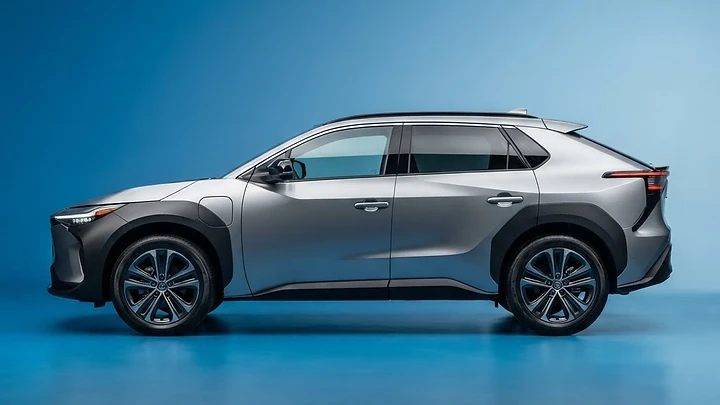
Navigating the Post-Credit Landscape While the federal $7,500 clean vehicle credit is a thing of the past, the vacuum has been filled by a patchwork of state-level support and aggressive manufacturer incentives.
States like New Jersey, Colorado, and Massachusetts continue to offer robust rebates that can shave thousands off your purchase or lease price. It is no longer enough to walk into a dealership and ask for the "best price." You must arrive armed with knowledge of your state’s specific programs. Furthermore, manufacturers are responding to the "tug-of-war" in market demand by offering subsidized financing rates and lease deals that effectively mimic the savings once provided by federal policy. 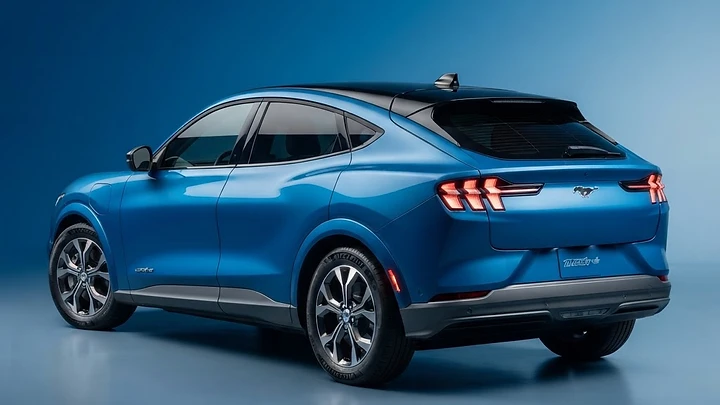

The Rise of the Used EV Market One of the most exciting trends for 2026 is the surge in the used electric vehicle market.
As the first major wave of three-year leases returns to dealer lots, inventory has expanded, driving prices down and making entry into the EV lifestyle more accessible than ever. A pre-owned 2026 Toyota bZ4X or a gently used luxury EV can now be found at a fraction of its original cost. When shopping used, prioritize battery health reports and verify the vehicle's charging history. The secondary market is where the true "value hunters" are finding their wins this year, often securing reliable, high-tech transportation for under $30,000. 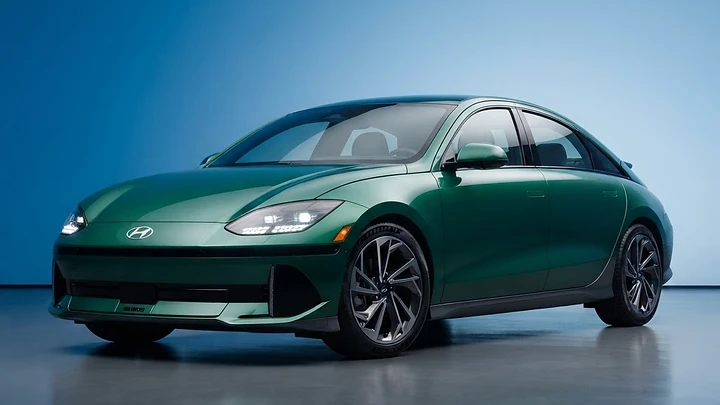

Charging Infrastructure and Real-World Range Range anxiety is slowly being replaced by "charging strategy." In 2026, the focus has shifted from how far a car can go on a single charge to how seamlessly it integrates into your daily life. Whether you are considering the 2026 Ford Mustang Mach-E for its spirited performance or a more utilitarian commuter, the key is home charging. Installing a Level 2 charger at home remains the single most effective way to lower your ownership costs and maximize the convenience of your electric vehicle. Before you buy, check if your local utility provider offers rebates for charger installation, as many programs still exist to incentivize grid-friendly charging habits. 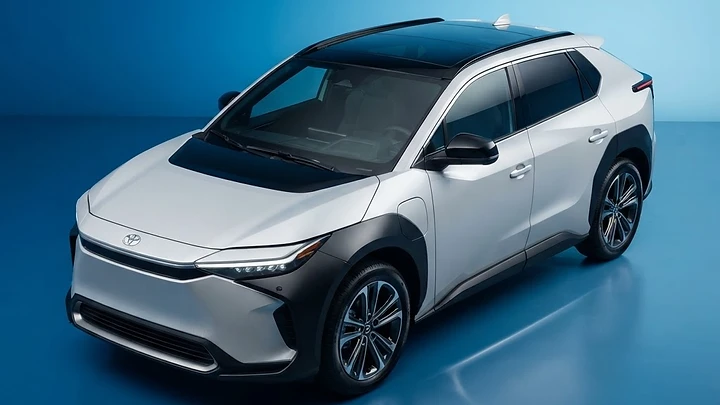

Frequently Asked Questions
Are there any federal tax credits left for EVs in 2026?
No, the primary federal clean vehicle tax credits expired in September 2025. However, you should check for state-specific rebates, utility company incentives, and manufacturer-backed discounts that can significantly reduce your out-of-pocket costs. #
Is it cheaper to own an EV or a gas car today?
While EVs generally have higher purchase prices and depreciation, they offer significantly lower fuel and maintenance costs. For high-mileage drivers, the fuel savings often offset the higher initial cost over a 5-year ownership period. #
What should I look for when buying a used EV?
Always request a battery health report to ensure the pack retains a high percentage of its original capacity. Additionally, check the vehicle's charging history and ensure it has been serviced according to the manufacturer's schedule. #
Do I need a home charger to own an EV?
While you can rely on public charging, a home charger is highly recommended for convenience and long-term cost savings. Many utility companies offer incentives that make installing a home charger more affordable.
The Bottom Line The 2026 car market is not about finding a "magic" tax credit; it is about strategic shopping.
If you prioritize long-term value, look toward the growing used EV market or take advantage of aggressive manufacturer lease incentives on new models. Focus on your specific driving habits, secure a home charging solution, and leverage state-level rebates to bridge the gap. The electric future is here, and with the right approach, it is more affordable than the headlines might suggest.
The cars in this story
The real price and honest verdict on each one
- 2026 Toyota bZ4XElectric Compact SUV · from $34,900
- 2026 Dodge ChargerSports Car · from $49,995
- 2026 Ford MustangSports Car · from $32,640
- 2026 Ford Mustang Mach-EElectric SUV · from $39,840
More car news

EV Tires: The 2026 Honest Buyer’s Guide to Replacement
Confused about EV tires? Learn why electric vehicles wear tires differently and how to choose the right replacements to maintain range, safety, and comfort.

Hybrid vs Gas: The 2026 Honest Buyer’s Guide to Savings
Is a hybrid worth the extra cost in 2026? We break down the real-world math, maintenance, and ownership costs to help you make the right choice.

Buying a Hybrid in 2026: The Honest Buyer’s Reality Check
Thinking about a hybrid? With gas prices fluctuating and tax credits gone, here is the honest truth about buying a hybrid car in 2026 to save you money.