Buying an EV in 2026: Navigating Life Without Tax Credits
Thinking of going electric in 2026? With federal tax credits gone, here is your honest guide to finding real value, charging smart, and saving on your next EV.
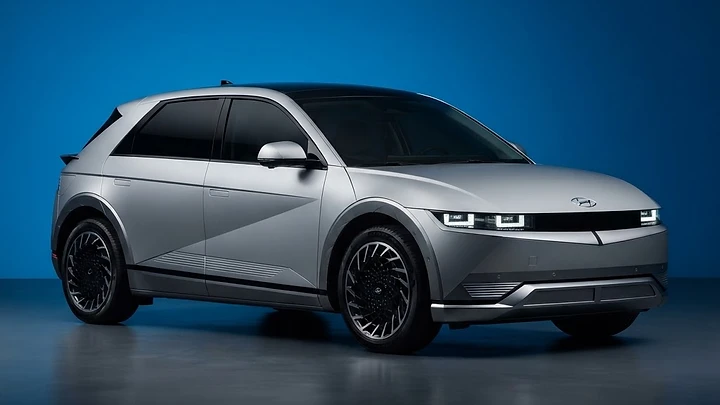
The hum of an electric motor is more than just a mechanical sound; it is the quiet promise of a cleaner, smoother future. As you pull away from the curb in a 2026 electric vehicle, the instant torque pins you to your seat, offering a visceral connection to the road that feels both futuristic and deeply liberating. For many American families, the dream of owning an EV is no longer about saving the planet alone—it is about the sheer joy of driving and the promise of lower long-term maintenance. However, the landscape for buying an EV has shifted dramatically. With the federal tax credits that once sweetened the deal officially sunsetting in late 2025, many buyers are asking: is it still worth it? At Carummah, we believe in total transparency. While the $7,500 federal incentive is a thing of the past, the market has responded with more variety, better battery technology, and a renewed focus on real-world affordability.
The New Reality: Why EV Value Still Holds Up Without the Credit For years, the federal tax credit acted as a crutch for the EV market.
Now that it is gone, manufacturers are forced to compete on merit rather than government subsidies. This is actually good news for you. In 2026, we are seeing a surge in competitive pricing as automakers adjust their MSRPs to attract buyers who are no longer swayed by tax breaks. When you look at a vehicle like the 2026 Hyundai Ioniq 5, you aren't just paying for a battery; you are paying for a platform designed from the ground up for efficiency. Without the credit, the focus shifts to the total cost of ownership. When you factor in the lack of oil changes, fewer moving parts to break, and the ability to 'refuel' at home for a fraction of the cost of gasoline, the math often still favors the electric option over the long haul. 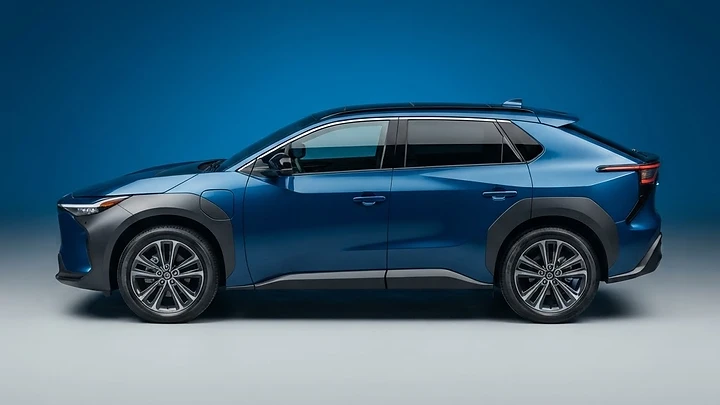
Charging at Home: The Ultimate Convenience Factor The biggest hurdle for most buyers remains the 'charging anxiety' myth.
In reality, 80% of charging happens at home. If you have a garage or a dedicated parking spot, you are essentially waking up to a 'full tank' every single morning. This is a level of convenience that gas-powered cars simply cannot match. For 2026, we recommend looking into local utility programs. Many regional providers are stepping up where the federal government stepped back, offering rebates for Level 2 charger installations that can cover hundreds of dollars in costs. Before you sign the paperwork, check your local utility’s website—you might be surprised by the incentives hiding in plain sight. 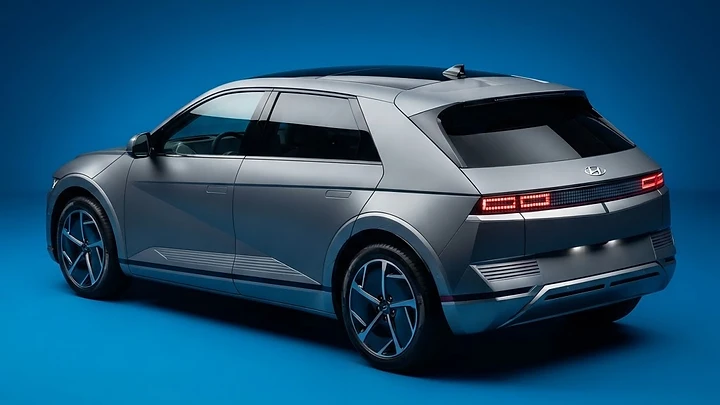

Navigating the 2026 Market: What to Look For When you walk into a dealership today, don't let the lack of a federal credit discourage you from negotiating.
Because the market is more competitive, dealers are often more willing to offer discounts on MSRP to move inventory. Focus on the 'real-world' range rather than the EPA estimate. If you live in a colder climate, look for models with heat pump technology, which preserves battery range during winter months. The 2026 Toyota bZ4X, for instance, offers a refined ride and a focus on reliability that makes it a strong contender for families who want a stress-free transition to electric driving. 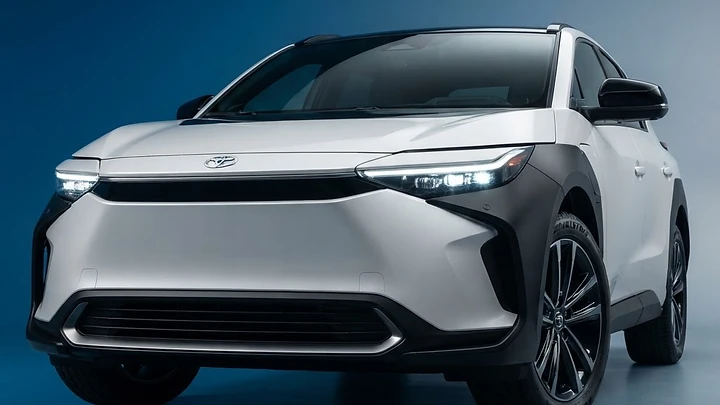

Frequently Asked Questions
Are there any federal incentives left for EVs?
No, the federal tax credits for new and used clean vehicles under sections 30D and 25E were terminated for vehicles acquired on or after October 1, 2025. #
Can I still get help with home charger installation?
Yes, while the federal purchase credit is gone, many local utility companies and state programs offer rebates for installing Level 2 charging equipment. Always check your local utility provider before purchasing your hardware. #
Is it better to lease or buy an EV in 2026?
Leasing can be a smart way to hedge against rapidly evolving battery technology. It allows you to enjoy the latest tech for 36 months and then upgrade, shielding you from potential long-term depreciation concerns. #
How do I find the best deal without the tax credit?
Focus on dealer-side incentives and manufacturer rebates. Since the federal credit is gone, many brands are using 'dealer cash' or low-interest financing offers to keep their EVs moving off the lot. 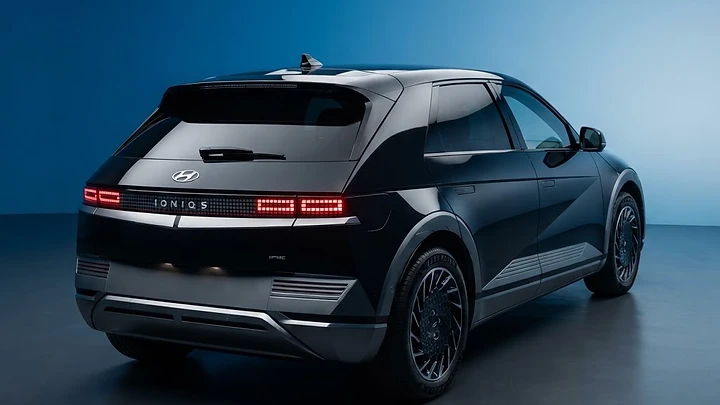

The Bottom Line The transition to electric is not just about a tax form; it is about the experience of the drive and the long-term efficiency of your household budget.
While the federal tax credit is gone, the 2026 market is arguably the most 'honest' it has ever been. You are now buying a car based on its engineering, its comfort, and its ability to serve your family, rather than a government-subsidized price tag. If you can charge at home, the convenience alone is worth the switch. Do your research, check your local utility for charger rebates, and don't be afraid to negotiate the price of the vehicle itself. The open road is waiting, and it is quieter, smoother, and more efficient than ever before.
The cars in this story
The real price and honest verdict on each one
Every model, side by sideMore car news

EV Tires: The 2026 Honest Buyer’s Guide to Replacement
Confused about EV tires? Learn why electric vehicles wear tires differently and how to choose the right replacements to maintain range, safety, and comfort.

Hybrid vs Gas: The 2026 Honest Buyer’s Guide to Savings
Is a hybrid worth the extra cost in 2026? We break down the real-world math, maintenance, and ownership costs to help you make the right choice.


Buying a Hybrid in 2026: The Honest Buyer’s Reality Check
Thinking about a hybrid? With gas prices fluctuating and tax credits gone, here is the honest truth about buying a hybrid car in 2026 to save you money.