Buying an EV in 2026: Navigating Life Without Tax Credits
Thinking about an electric vehicle in 2026? With federal tax credits gone, here is how to find real value, save on charging, and make a smart, honest purchase.
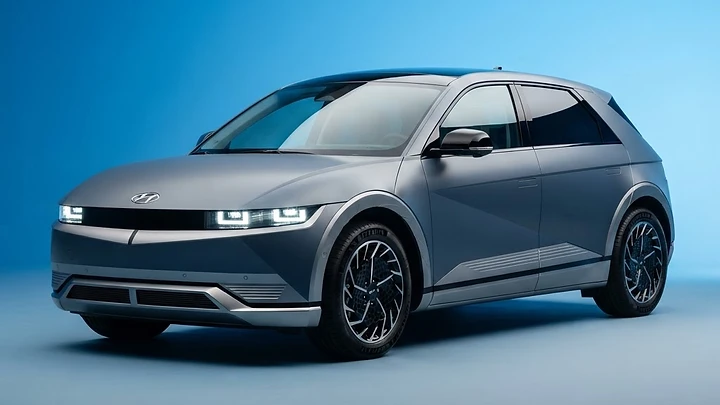
There is a quiet, electric hum beginning to define the American landscape—a shift in how we move, how we travel, and how we connect with the world around us. As you stand on the precipice of your next vehicle purchase, you might feel the weight of recent headlines regarding the end of federal EV tax credits. It is easy to feel discouraged, but the reality of the 2026 market is far more nuanced and, in many ways, more exciting than the era of government subsidies. Today, the decision to go electric is no longer about chasing a tax break; it is about the sheer, exhilarating performance of modern engineering and the long-term freedom of breaking away from the gas pump.
The New Reality: Why EVs Still Make Financial Sense The federal $7,500 tax credit, which served as a bridge for early adopters, concluded in late 2025.
While its absence is felt, the market has responded with a dramatic recalibration of pricing. Manufacturers like Hyundai, Volkswagen, and Tesla have aggressively adjusted MSRPs to remain competitive, effectively baking the 'discount' into the sticker price. When you look at a 2026 Hyundai Ioniq 5 or a Tesla Model Y, you are seeing prices that reflect a mature, self-sustaining market. The true value of an EV in 2026 is found in the 'total cost of ownership'—a metric that often surprises buyers who only look at the monthly payment. With fewer moving parts, no oil changes, and significantly lower fuel costs, the math often favors the electric option over a five-year ownership cycle, even without a federal incentive. 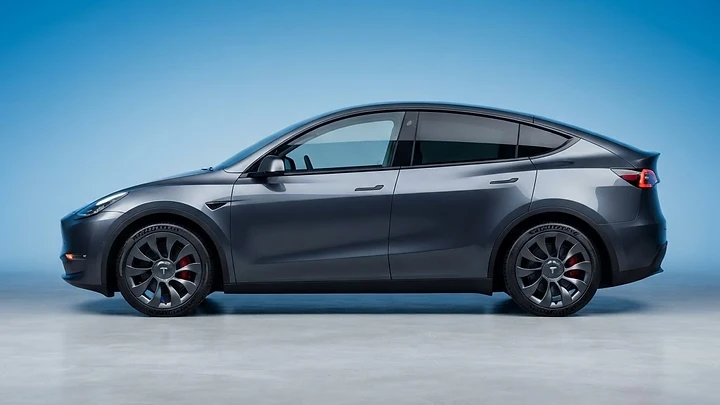
Finding Value Through State and Utility Incentives While the federal government has stepped back, states and local utility providers have stepped up.
In 2026, more than 30 states offer their own purchase rebates or tax credits, ranging from $750 to $7,500. These programs are often stackable with utility-specific rebates for home charging equipment. Before you head to the dealership, visit your local utility provider’s website. Many offer 'Time-of-Use' (TOU) rates, which allow you to charge your vehicle overnight for a fraction of the cost of daytime electricity. This is the secret weapon of the modern EV owner—turning your garage into your own private, low-cost fueling station. 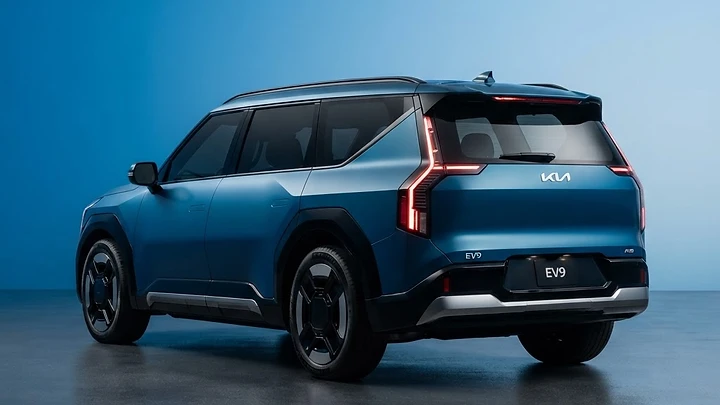

The Evolution of Home Charging Infrastructure Installing a Level 2 charger remains one of the smartest investments a new EV owner can make.
While the federal Section 30C tax credit for home charging equipment expired in mid-2026, the cost of hardware has plummeted. You can now source high-quality, reliable Level 2 wall chargers for $400 to $800. When you factor in the convenience of waking up to a 'full tank' every morning, the value proposition becomes clear. If you are renting or lack a garage, look for public charging networks that offer subscription plans, which can significantly lower your per-kilowatt-hour costs compared to pay-as-you-go pricing. 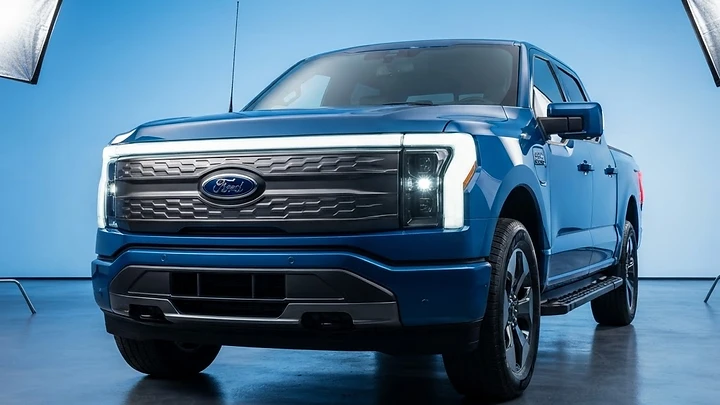

Choosing the Right EV for Your Lifestyle The 2026 lineup is the most diverse in history.
Whether you need the rugged utility of a Ford F-150 Lightning for weekend projects or the refined, family-friendly comfort of a Kia EV9, there is an electric vehicle that fits your specific needs. When shopping, prioritize range and charging speed over raw horsepower. A vehicle that can charge from 10% to 80% in under 20 minutes, like the latest models from the Hyundai-Kia group, will change your relationship with road trips entirely. Always test drive with your daily commute in mind—experience the regenerative braking and the instant torque that makes city driving feel effortless. 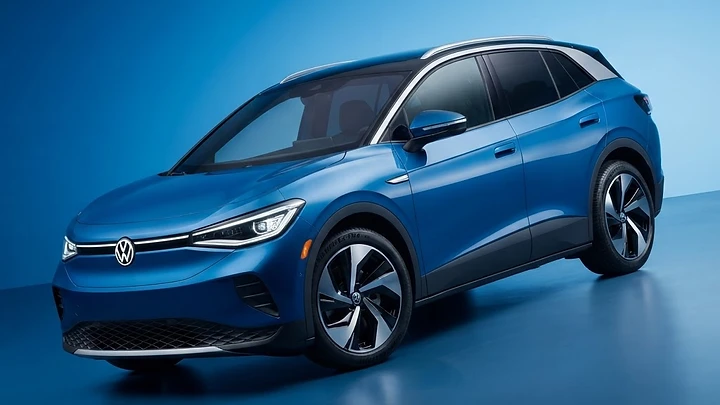

Frequently Asked Questions
Are there any federal incentives left for EVs?
As of late 2026, the primary federal purchase tax credit has expired. However, some commercial leasing programs may still pass through manufacturer-level incentives, so it is worth asking your dealer about lease-specific deals. #
Is it still cheaper to charge at home than to buy gas?
Yes. Even without federal tax credits, the cost per mile for electricity is significantly lower than gasoline in almost every U.S. state. When you charge during off-peak hours, the savings are even more pronounced. #
Should I wait for new legislation to pass?
While there are bills like the '21st Century Vehicle Choice Act' being discussed in Congress, they currently face significant hurdles. Our advice: if an EV fits your budget and lifestyle today, do not delay your purchase based on the hope of future legislation. #
How do I find state-specific rebates?
The best resource is the U.S. Department of Energy’s Alternative Fuels Data Center, which maintains an up-to-date, searchable database of state and local incentives for electric vehicles and charging infrastructure.
The Bottom Line The era of relying on federal tax credits to justify an EV purchase is over, and that is a sign of a healthy, maturing industry.
In 2026, the best reason to buy an electric vehicle is the product itself: the silence, the performance, and the long-term reliability. Focus on the total cost of ownership, explore your local utility’s charging rebates, and choose a vehicle that genuinely enhances your daily life. The open road is waiting, and it has never been more efficient to explore it.
The cars in this story
The real price and honest verdict on each one
- 2026 Kia EV9Electric Three-Row SUV · from $54,900
- 2026 Ford F-150Full-Size Pickup · from $39,330
- 2026 Tesla Model YSUV · from $44,990
- 2026 Volkswagen ID.4Electric SUV · from $45,095
More car news

EV Tires: The 2026 Honest Buyer’s Guide to Replacement
Confused about EV tires? Learn why electric vehicles wear tires differently and how to choose the right replacements to maintain range, safety, and comfort.

Hybrid vs Gas: The 2026 Honest Buyer’s Guide to Savings
Is a hybrid worth the extra cost in 2026? We break down the real-world math, maintenance, and ownership costs to help you make the right choice.


Buying a Hybrid in 2026: The Honest Buyer’s Reality Check
Thinking about a hybrid? With gas prices fluctuating and tax credits gone, here is the honest truth about buying a hybrid car in 2026 to save you money.