Buying an EV in 2026: How to Find Deals Without Tax Credits
The federal EV tax credit is gone, but you can still save thousands. Learn how to navigate the 2026 market and find the best deals on electric vehicles.
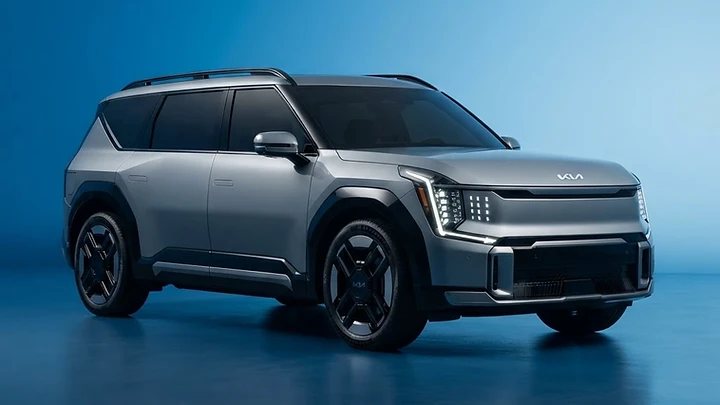
There is a quiet, electric revolution happening on the open road, where the hum of a high-torque motor replaces the mechanical symphony of combustion. As you grip the wheel of a modern EV, feeling the instant, seamless surge of power as you merge onto a sun-drenched highway, you realize this isn't just transportation—it is a leap into the future of engineering. While the landscape of federal incentives has shifted, the joy of driving an electric vehicle remains as potent as ever. For the American buyer in 2026, the challenge is no longer about navigating complex tax forms, but about finding the right value in a market that has matured into a buyer’s paradise.
The New Reality: Life After Federal Tax Credits Since the expiration of the federal $7,500 clean vehicle tax credit in September 2025, the automotive market has undergone a significant transformation.
Many buyers initially feared that the end of these credits would make EVs unaffordable, but the opposite has occurred. Automakers, eager to maintain momentum, have pivoted toward aggressive manufacturer rebates and dealer incentives. Today, you can often find discounts ranging from $2,500 to $10,000 off the sticker price of popular models like the 2026 Kia EV9 or the Hyundai Ioniq 5. The focus has shifted from government-subsidized pricing to competitive, market-driven value. 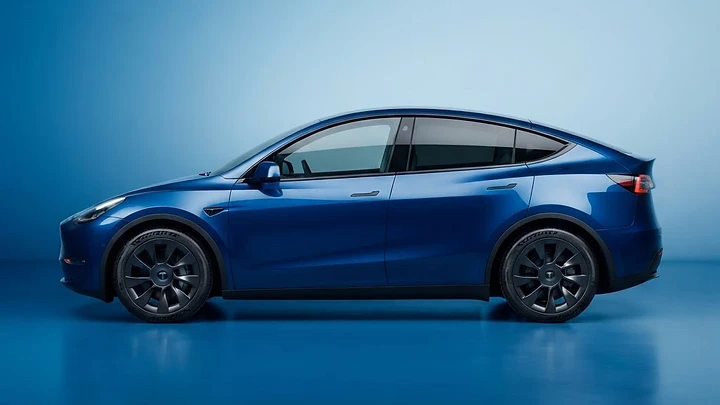
Why Leasing Is the New Secret Weapon If you are looking to bypass the complexities of ownership, leasing has become the most effective way to capture hidden value.
Because the commercial clean vehicle credit still allows dealers to claim incentives on leased vehicles, those savings are frequently passed directly to you in the form of lower monthly payments. This 'leasing loophole' remains one of the most reliable ways to drive a premium electric vehicle for significantly less than a traditional purchase. When you lease, you also mitigate concerns regarding long-term battery health, as you are essentially paying for the vehicle's depreciation over a three-year term. 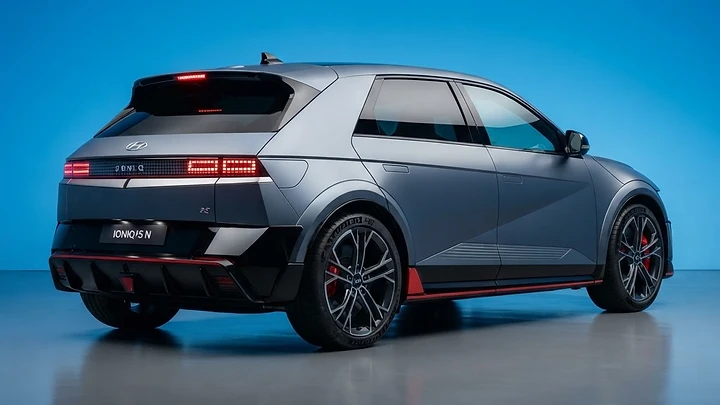

State Incentives: Your Local Advantage While the federal government has stepped back, many states have stepped up to fill the void.
In 2026, over 30 states offer their own purchase rebates or tax credits. For instance, residents in states like New Jersey or Colorado can still access thousands of dollars in point-of-sale rebates. It is essential to check your state’s specific energy office website before heading to the dealership. These local incentives, when combined with manufacturer cash-back offers, can often result in a total savings package that rivals the old federal credit. 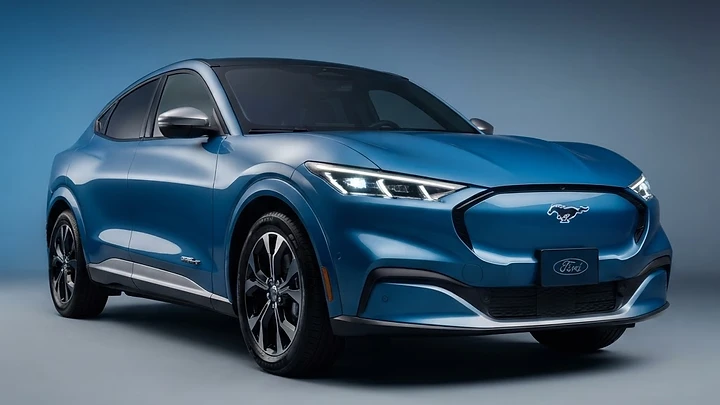

Evaluating Total Cost of Ownership Beyond the sticker price, the true value of an EV lies in its long-term efficiency.
Without the need for oil changes, transmission flushes, or spark plug replacements, the maintenance schedule for a 2026 Tesla Model Y or a Ford Mustang Mach-E is remarkably light. When you factor in the lower cost of electricity compared to gasoline, the 'break-even' point for an EV often arrives much sooner than many buyers anticipate. Always calculate your insurance premiums and home charging installation costs—which may still qualify for local utility rebates—to get a clear picture of your monthly budget. 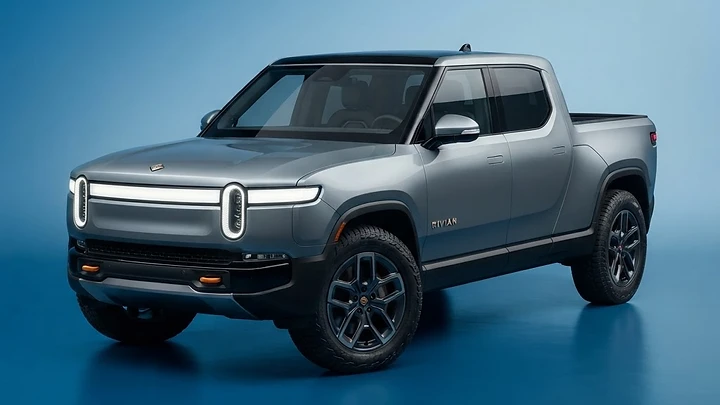

Frequently Asked Questions
Are there any federal incentives left for EV buyers?
No, the $7,500 federal purchase credit expired on September 30, 2025. However, you should check for state-level rebates and utility-sponsored charging incentives. #
Is it better to buy or lease an EV in 2026?
Leasing is currently the most cost-effective way to drive an EV because dealers can pass on commercial tax credits that are not available to individual retail buyers. #
How do I find the best deals on new EVs?
Start by checking manufacturer websites for 'cash back' or 'dealer incentive' offers. Consumer Reports and local automotive news outlets also track monthly national rebates that can save you thousands. #
Should I worry about battery replacement costs?
Battery replacement is extremely rare, with most modern packs designed to outlast the vehicle's primary ownership cycle. Most manufacturers provide 8-year/100,000-mile warranties on battery components for your peace of mind.
The Bottom Line The 2026 EV market is defined by transparency and competition.
While the federal tax credit is a thing of the past, the current environment of manufacturer rebates and state-level support makes this an excellent time to buy. Focus on the total cost of ownership, explore leasing options to maximize your savings, and don't be afraid to negotiate the dealer's price. The future of driving is here, and it is more accessible than ever.
The cars in this story
The real price and honest verdict on each one
- 2026 Ford MustangSports Car · from $32,640
- 2026 Ford Mustang Mach-EElectric SUV · from $39,840
- 2026 Tesla Model YSUV · from $44,990
- 2026 Rivian R1TFull-Size Pickup · from $70,990
More car news

Hybrid vs Plug-in Hybrid: The 2026 Honest Buyer’s Guide
Confused by hybrid options? We break down the real-world costs, reliability, and driving habits to help you choose the right 2026 hybrid for your lifestyle.

Hybrid vs Gas: The 2026 Honest Buyer’s Guide to Savings
Is a hybrid worth the extra cost in 2026? We break down the real-world fuel savings, depreciation, and ownership costs to help you make the right choice.

Solar-Powered Cars: The 2026 Honest Buyer’s Reality Check
Are solar-powered cars worth the hype in 2026? We break down the reality of solar roofs, charging efficiency, and whether they actually save you money.