Driver Monitoring Systems: Safety or Privacy Invasion?
Are driver monitoring systems in your 2026 car keeping you safe or watching you too closely? We break down the tech, the privacy risks, and the reality.
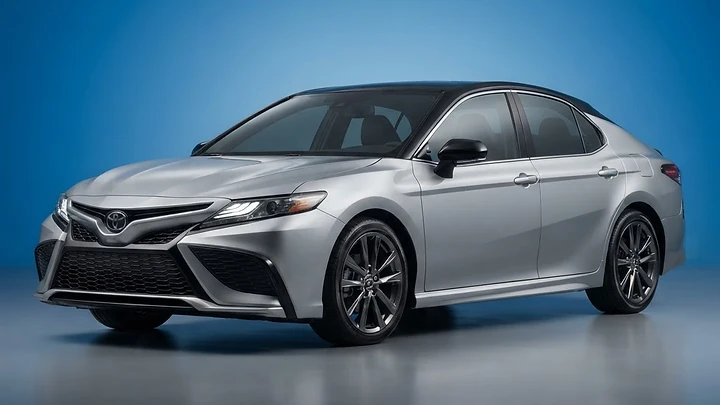
Imagine gliding down a winding coastal highway at dusk, the engine humming a soft, rhythmic tune as the horizon bleeds into shades of violet and gold. You are in control, yet you are not alone. Modern vehicles have evolved into silent guardians, equipped with sophisticated eyes that never blink. As we step into the 2026 model year, the rise of Driver Monitoring Systems (DMS) has transformed the cockpit into a high-tech sanctuary designed to keep you safe. But as these systems become standard in vehicles like the 2026 Toyota Camry or the 2026 Ford Explorer, a vital question emerges: where do we draw the line between life-saving technology and an invasion of our personal digital space?
How Driver Monitoring Systems Actually Work At their core, these systems are marvels of artificial intelligence and visual perception.
Using infrared cameras mounted on the steering column or dashboard, the car tracks your eye movements, head position, and facial expressions. Unlike older, simpler alerts that relied on steering input, modern DMS can detect the subtle signs of drowsiness or distraction before you even realize your focus has drifted. Whether you are driving a 2026 Hyundai Ioniq 5 or a luxury sedan, the goal is the same: to provide active, real-time intervention. If the system senses you are looking away from the road for too long or your eyelids are drooping, it triggers a series of alerts—beeps, visual warnings, or even haptic vibrations—to bring your attention back to the asphalt. 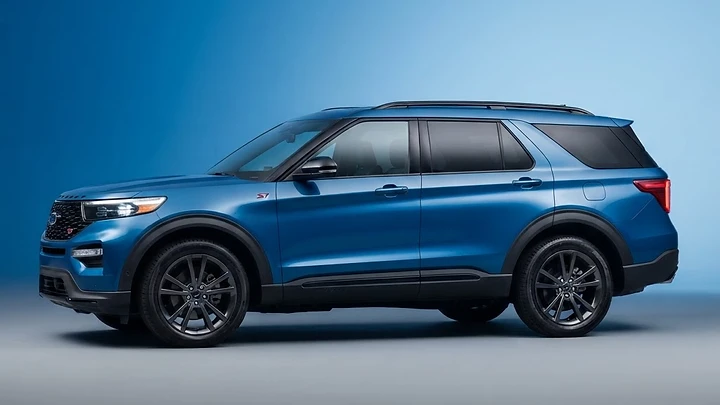
The Safety Benefits: Why Automakers Are Investing Billions The primary argument for DMS is simple: it saves lives.
According to industry data, a significant percentage of road accidents are linked to driver fatigue and distraction. By integrating these systems, manufacturers are meeting new safety regulations, such as the European GSR II requirements, which mandate driver availability monitoring. For families, this tech offers peace of mind. Imagine a long road trip where the car acts as a co-pilot, ensuring that the person behind the wheel remains alert. It is a powerful evolution in automotive engineering that turns a standard commute into a safer, more controlled experience. 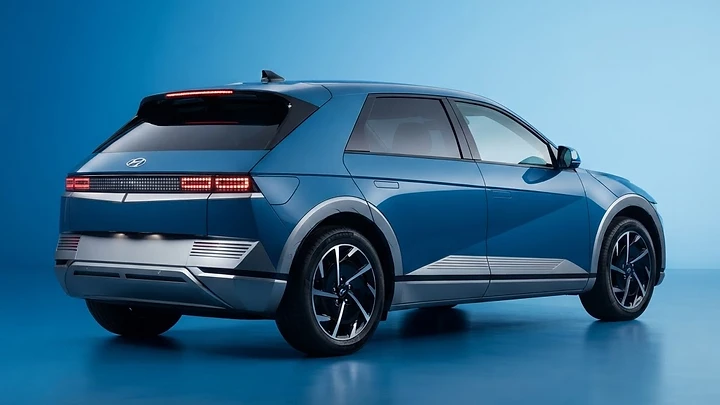

The Privacy Paradox: Who Owns Your Data?
While the safety benefits are clear, the rise of biometric data collection has sparked intense debate. When your car uses facial recognition to identify you or monitors your heart rate, that data has to go somewhere. Consumers are rightfully concerned about how this information is stored, encrypted, and potentially shared. Unlike a smartphone, which you can leave at home, your car is a mobile data hub. Automakers are currently working to balance these advanced features with strict data privacy protocols, but trust remains a hurdle. As a buyer, you should always ask: is this data stored locally on the vehicle, or is it being transmitted to the cloud? 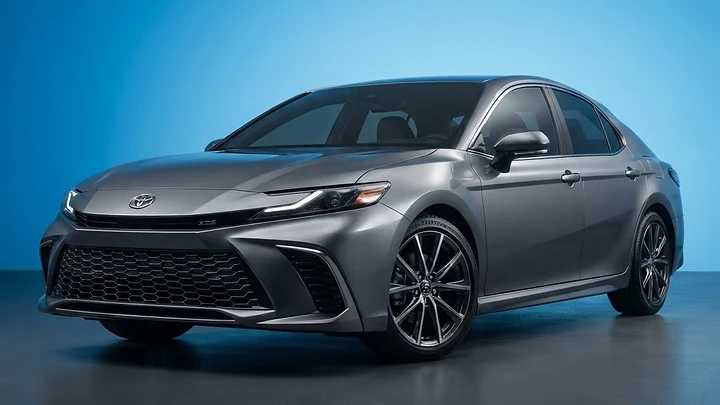

Navigating the Future of In-Car Tech As we look toward the future, the integration of thermal cameras and advanced sensors will only increase.
We are moving toward a world where your vehicle knows you better than you might expect. For the average American buyer, this means choosing between the convenience of personalized settings—like automatic seat adjustments and climate control based on your face—and the desire for total digital anonymity. It is a trade-off that every buyer must weigh carefully in 2026. 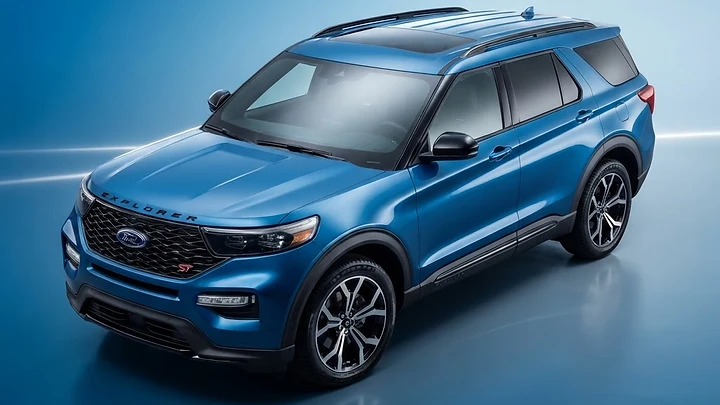

Frequently Asked Questions
Can I turn off the driver monitoring system?
Most manufacturers allow you to mute or adjust the sensitivity of alerts, but for safety and regulatory compliance, the core monitoring function often remains active while the vehicle is in motion. #
Does the system record video of me?
Generally, these systems process data in real-time to detect behavior and do not store or transmit video footage of the driver, though you should always check the specific privacy policy of your vehicle's manufacturer. #
Will the system work if I wear sunglasses?
Yes, modern infrared-based systems are designed to track eye movement and head position even through most sunglasses, ensuring consistent performance regardless of lighting or eyewear. #
Is my biometric data secure?
Automakers are increasingly using localized processing to keep biometric data on the vehicle's internal hardware, but it is essential to review the connected services agreement before activating advanced features.
The Bottom Line Driver monitoring systems represent a massive leap forward in automotive safety, offering a level of protection that was science fiction just a decade ago.
If you prioritize safety and are comfortable with the trade-offs of modern connectivity, these systems are a valuable addition to your next vehicle. However, if you are deeply concerned about data privacy, take the time to read the fine print in your owner's manual and ask your dealer exactly how your vehicle handles biometric information. The road ahead is safer than ever, but it is up to you to decide how much of your digital self you are willing to share with your car.
The cars in this story
The real price and honest verdict on each one
- 2026 Ford ExplorerMid-Size SUV · from $38,465
- 2026 Toyota CamryMid-Size Sedan · from $28,850
- 2026 Honda PilotMid-Size SUV · from $42,195
More car news

Used Hybrid Cars: The 2026 Honest Buyer’s Guide
Considering a used hybrid? Discover why these fuel-efficient vehicles are trending in 2026 and how to find a reliable deal without overpaying.

2026 Car Buying: How to Navigate High Prices and Tech
Buying a car in 2026? Discover how to navigate record-high prices, essential tech features, and shifting market trends to secure the best deal for your needs.

Software-Defined Cars: The 2026 Honest Buyer’s Guide
Are software-defined cars worth the hype? Discover how over-the-air updates and subscription features are changing the 2026 car buying experience.