EV Battery Health: The 2026 Honest Buyer’s Guide
Worried about EV battery replacement costs? Discover the truth about battery longevity, real-world degradation, and how to protect your investment in 2026.
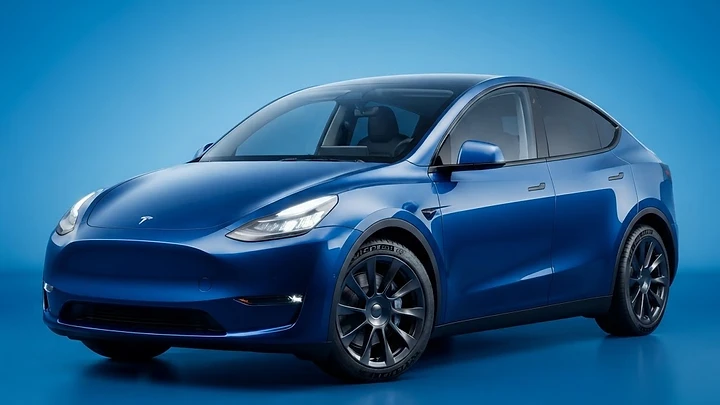
There is a quiet, humming revolution happening on American roads. As you glide silently through a morning commute, the engineering marvel beneath your feet—a high-voltage lithium-ion battery—is doing more than just powering your drive; it is redefining the very nature of automotive ownership. For many, the transition to electric vehicles (EVs) brings a lingering question: what happens when the battery ages? While the fear of a massive, unexpected repair bill is common, the reality of 2026 battery technology is far more encouraging than the myths suggest.
Understanding Real-World Battery Longevity Modern electric vehicle batteries are proving to be remarkably resilient.
Recent data analyzing over 22,700 electric vehicles shows that the vast majority of batteries are performing well beyond initial expectations, with many retaining over 80% of their original capacity even after 150,000 miles. Unlike the rapid degradation seen in early consumer electronics, automotive-grade battery packs are managed by sophisticated thermal systems that protect cells from extreme heat and cold. In 2026, most manufacturers offer robust warranties, typically covering the battery for 8 years or 100,000 miles, providing a significant safety net for your investment. 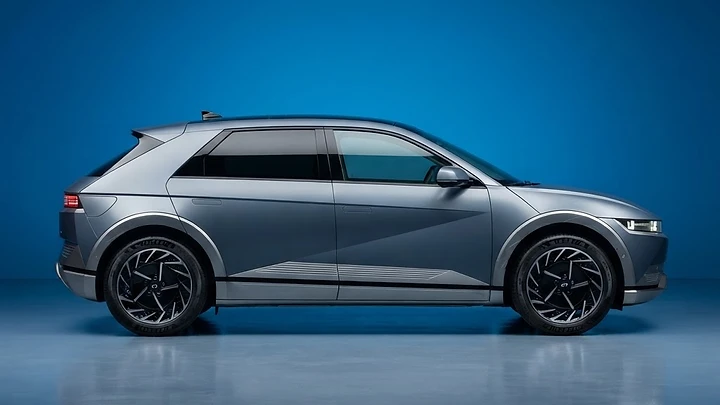
Factors That Influence Battery Health While the technology is robust, your habits behind the wheel and at the charger play a pivotal role in long-term health.
The "20-80 rule" remains the gold standard for daily use: keeping your state of charge between 20% and 80% minimizes stress on the battery chemistry. Frequent use of high-speed DC fast charging can accelerate degradation if done exclusively, so balancing your routine with Level 2 home charging is a smart strategy for longevity. Furthermore, parking in climate-controlled environments or shade during extreme heat waves helps the vehicle’s thermal management system work more efficiently, preserving the integrity of the cells over the long haul. 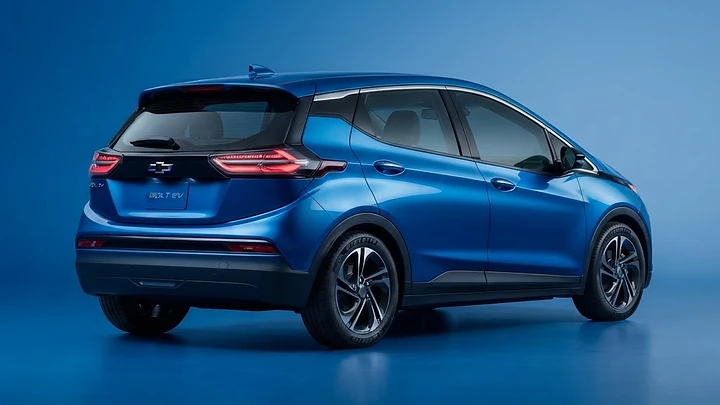

The Truth About Replacement Costs If you are looking at a used EV, you might be concerned about out-of-warranty replacement costs.
While a full pack replacement can range from $7,000 to $25,000 depending on the model, it is rarely a binary "all or nothing" scenario. Many modern service centers can now perform module-level repairs, replacing only the faulty sections of a pack rather than the entire unit. As battery production scales and recycling technology improves, the cost per kilowatt-hour continues to drop, making the prospect of long-term ownership increasingly affordable for the average American family. 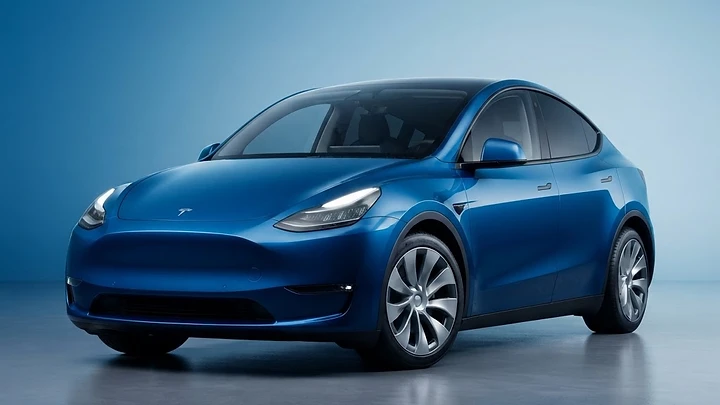

How to Inspect Battery Health Before Buying When shopping for a pre-owned EV, you are no longer flying blind.
Many platforms now provide dedicated battery health scores, giving you a clear snapshot of the pack's remaining capacity. Always request a professional inspection that includes a diagnostic scan of the battery management system. This simple step can reveal the history of the vehicle’s charging cycles and identify any potential red flags, ensuring you drive away with confidence rather than uncertainty. 

Frequently Asked Questions
How long do most EV batteries actually last?
Most modern EV batteries are designed to last 12 to 15 years, with many vehicles still retaining over 80% capacity well past the 150,000-mile mark. #
Does fast charging ruin my battery?
Using DC fast charging occasionally is perfectly fine, but relying on it for every charge can increase heat and stress. Mixing in slower Level 2 home charging is best for long-term health. #
Is battery degradation covered by insurance?
Standard auto insurance typically treats battery degradation as normal wear and tear, similar to tires or brake pads. However, collision and comprehensive coverage will cover the battery if it is damaged in an accident or fire. #
What is the best way to store an EV if I am not driving it?
If you plan to leave your EV parked for an extended period, try to keep the battery charge around 50% and, if possible, keep it plugged into a charger so the vehicle can manage its own thermal regulation.
The Bottom Line The fear surrounding EV battery health is largely a relic of the past.
With 2026 technology, EVs are more reliable and durable than ever before. By following simple charging best practices and utilizing modern diagnostic tools, you can enjoy the benefits of electric driving for years to come. If you are in the market for a new or used EV, focus on the vehicle's service history and warranty coverage, and rest easy knowing that the battery is built to go the distance.
The cars in this story
The real price and honest verdict on each one
Every model, side by sideMore car news

EV Tires: The 2026 Honest Buyer’s Guide to Replacement
Confused about EV tires? Learn why electric vehicles wear tires differently and how to choose the right replacements to maintain range, safety, and comfort.

Hybrid vs Gas: The 2026 Honest Buyer’s Guide to Savings
Is a hybrid worth the extra cost in 2026? We break down the real-world math, maintenance, and ownership costs to help you make the right choice.


Buying a Hybrid in 2026: The Honest Buyer’s Reality Check
Thinking about a hybrid? With gas prices fluctuating and tax credits gone, here is the honest truth about buying a hybrid car in 2026 to save you money.