EV Battery Replacement Costs: The Honest 2026 Guide
Worried about EV battery replacement costs? Discover the truth about battery longevity, real-world health data, and how to protect your investment in 2026.
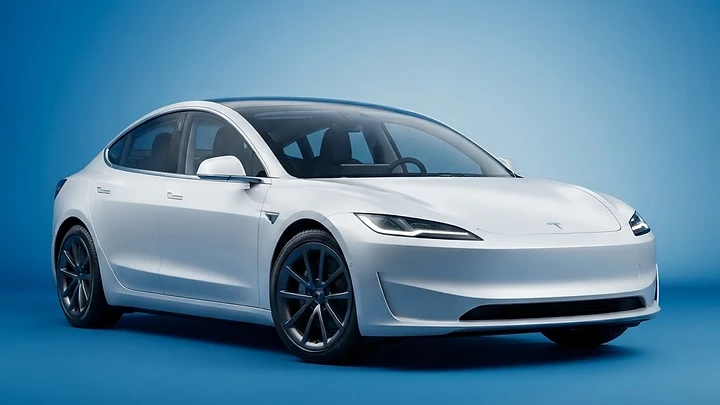
Imagine the silence of a crisp morning as you pull out of your driveway, the electric motor humming with a quiet, futuristic energy that feels like the dawn of a new era. There is a profound sense of wonder in driving a machine that moves with such seamless, instant torque, turning every commute into a smooth, effortless glide. Yet, for many American buyers, that awe is shadowed by a persistent, nagging question: What happens when the heart of this machine—the battery—eventually fades? It is the single most significant financial concern for prospective EV owners, but the reality of 2026 is far more encouraging than the myths suggest.
The Reality of EV Battery Longevity in 2026 Contrary to the early fears that electric vehicle batteries would fail shortly after their warranties expired, modern data paints a much brighter picture.
Research from 2026 indicates that the average electric vehicle retains roughly 95% of its original range after five years of use. In fact, many decade-old EVs are still operating on their original battery packs. Manufacturers have engineered these systems to be incredibly resilient, often outlasting the vehicles themselves. While lithium-ion batteries do experience natural degradation over time—much like the battery in your smartphone—this process is slow and predictable rather than sudden and catastrophic. 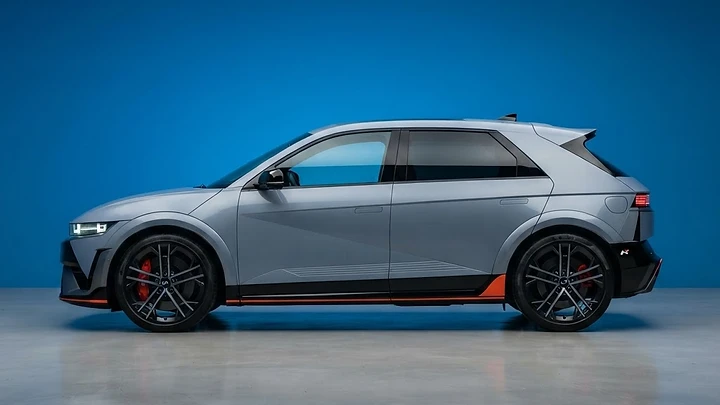
Understanding Replacement Costs and Warranty Coverage If you do find yourself in the rare position of needing a battery replacement, the costs can vary significantly.
In 2026, a full pack replacement typically ranges from $7,000 to $25,000, depending on the make, model, and battery capacity. Luxury vehicles with larger, more complex packs sit at the higher end of that spectrum, while smaller, mass-market EVs are more affordable to service. Crucially, most automakers provide robust protection, with standard warranties covering the battery for at least eight years or 100,000 miles. Some manufacturers have even extended this to 10 years or 150,000 miles, providing significant peace of mind for the initial owner and subsequent buyers. 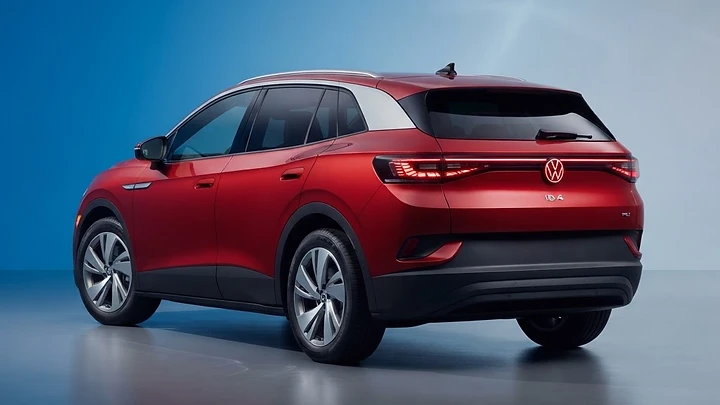

How to Maximize Your Battery Health Today You have more control over your battery’s lifespan than you might think.
The most effective strategy is to avoid extreme charging habits. For daily driving, keeping your battery charge between 20% and 80% is widely recommended to reduce stress on the cells. While DC fast charging is a miracle for road trips, relying on it exclusively can generate heat that accelerates degradation over time. Whenever possible, utilize Level 2 home charging, which is gentler on the battery chemistry. Additionally, parking in a garage during extreme temperature swings—both hot and cold—can help maintain optimal battery health, as extreme climates are the primary environmental enemies of lithium-ion longevity. 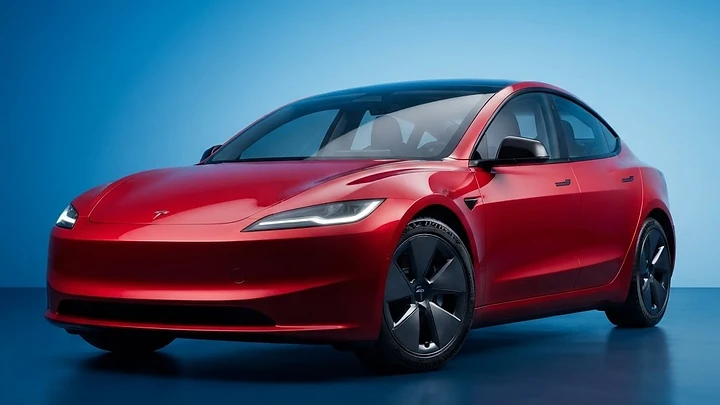

Buying Used: Assessing Battery Health with Confidence The used EV market is currently a goldmine for savvy buyers, provided you know how to check the "state of health" (SOH) of the battery.
Today, many online marketplaces provide VIN-level battery health scores, giving you a transparent look at how much capacity remains. Before finalizing a purchase, ask for the vehicle’s service history to see if any modules have been replaced or if there are outstanding recall updates. A simple, practical test is to charge the vehicle to 100% and compare the displayed range to the original EPA estimate. If the numbers align, you can move forward with confidence, knowing you are buying a reliable piece of modern engineering. 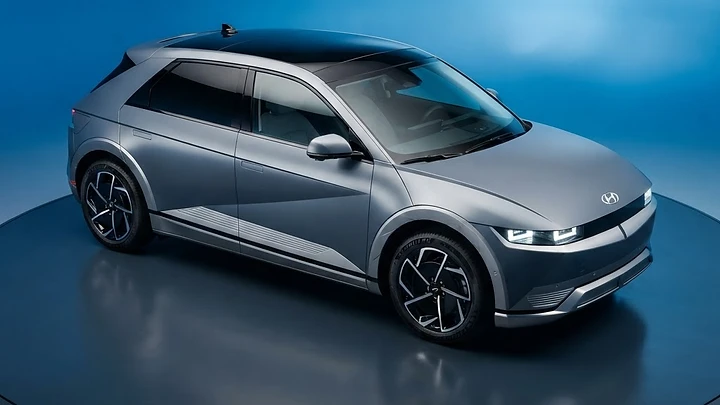

Frequently Asked Questions
How long do most EV batteries actually last?
Most modern EV batteries are designed to last 12 to 20 years. With current degradation rates, it is highly likely the battery will outlive the useful life of the car itself. #
Is a single bad module the same as a full battery failure?
No. Many modern battery packs are modular. If a specific section fails, a skilled technician can often replace just that module, which is significantly cheaper than replacing the entire pack. #
Does cold weather permanently damage my EV battery?
Cold weather temporarily reduces range and charging speed, but it does not cause permanent damage. Once the battery warms up, its performance typically returns to normal. #
Should I be worried about recycling my old battery?
Not at all. The industry has developed sophisticated recycling programs where nearly all components of a lithium-ion battery can be recovered and repurposed for new batteries, making the lifecycle surprisingly sustainable.
The Bottom Line The fear surrounding EV battery replacement is largely a relic of the past.
In 2026, the data confirms that batteries are robust, long-lasting, and well-protected by manufacturer warranties. If you are considering an EV, don't let the "what-if" of battery replacement hold you back from the incredible driving experience these vehicles offer. By following simple charging habits and checking the health of a used vehicle before you buy, you can enjoy the efficiency and performance of an electric vehicle with total peace of mind.
The cars in this story
The real price and honest verdict on each one
Every model, side by sideMore car news

Hybrid vs Plug-in Hybrid: The 2026 Honest Buyer’s Guide
Confused by hybrid options? We break down the real-world costs, reliability, and driving habits to help you choose the right 2026 hybrid for your lifestyle.


Hybrid vs Gas: The 2026 Honest Buyer’s Guide to Savings
Is a hybrid worth the extra cost in 2026? We break down the real-world fuel savings, depreciation, and ownership costs to help you make the right choice.

Solar-Powered Cars: The 2026 Honest Buyer’s Reality Check
Are solar-powered cars worth the hype in 2026? We break down the reality of solar roofs, charging efficiency, and whether they actually save you money.