EV Charging Anxiety: The 2026 Honest Buyer’s Reality Check
Is public charging still a headache? We break down the 2026 EV charging landscape, infrastructure growth, and what you really need to know before you buy.
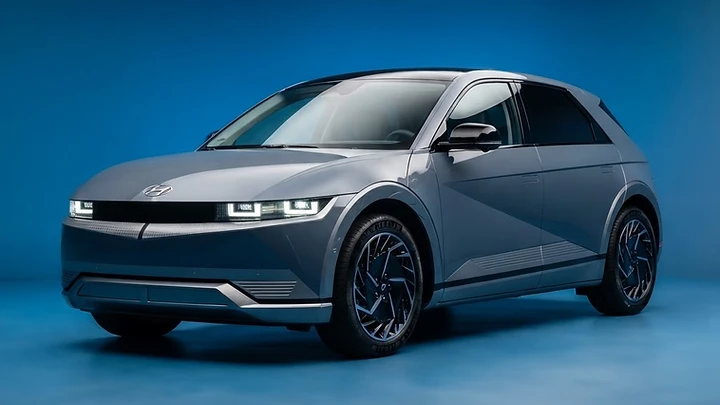
There is a specific kind of magic in the silence of an electric vehicle as it glides onto a highway, the instant torque pinning you to your seat as the world blurs into a streak of color. For many, the transition to an EV represents the pinnacle of modern engineering—a cleaner, quieter, and more exhilarating way to traverse the American landscape. Yet, for all the wonder of the open road, a shadow of doubt often lingers in the minds of prospective buyers: the fear of the plug. As we navigate 2026, the conversation around electric vehicle charging has shifted from 'is it possible?' to 'how seamless is it really?'
The State of the 2026 Charging Network The infrastructure landscape has evolved significantly.
As of mid-2026, the United States boasts over 80,000 public charging locations, with a massive push toward high-power DC fast-charging ports. The days of hunting for a single, broken charger in a dark corner of a parking lot are slowly fading. Government initiatives, such as the National Electric Vehicle Infrastructure (NEVI) program, are actively filling the gaps along our major corridors, turning once-daunting cross-country trips into manageable, planned adventures. However, the experience remains uneven. While urban centers are seeing a surge in destination charging, rural routes still require a bit more strategic planning. 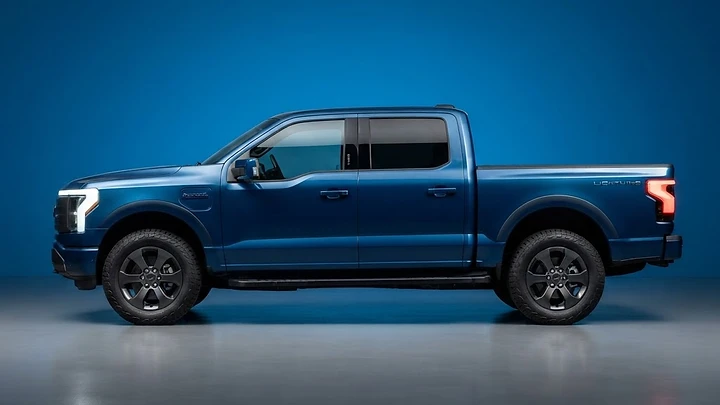
Reliability: The New Metric of Success In 2026, the industry has moved beyond just counting the number of plugs.
The focus has shifted to uptime and reliability. You aren't just looking for a charger; you are looking for a charger that works. Major networks are investing heavily in maintenance and real-time monitoring to ensure that when you pull up to a station, you can actually plug in. When shopping for an EV today, look for models that integrate advanced route planning into their infotainment systems. Vehicles like the 2026 Hyundai Ioniq 5 or the 2026 Ford F-150 Lightning now offer sophisticated software that not only finds chargers but pre-conditions your battery for faster charging speeds upon arrival. 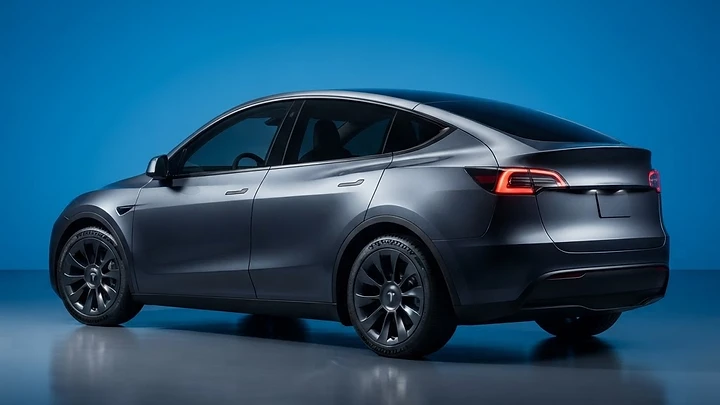

Home Charging: Your Secret Weapon The most honest advice any EV owner can give you is this: if you can charge at home, the 'charging anxiety' narrative largely disappears.
Over 80% of daily charging happens at home, turning your garage into your own personal fuel station. For those living in apartments or homes without dedicated parking, the public network is your lifeline, but for the majority of American homeowners, the convenience of waking up to a 'full tank' every morning is a game-changer that gas-powered vehicles simply cannot match. 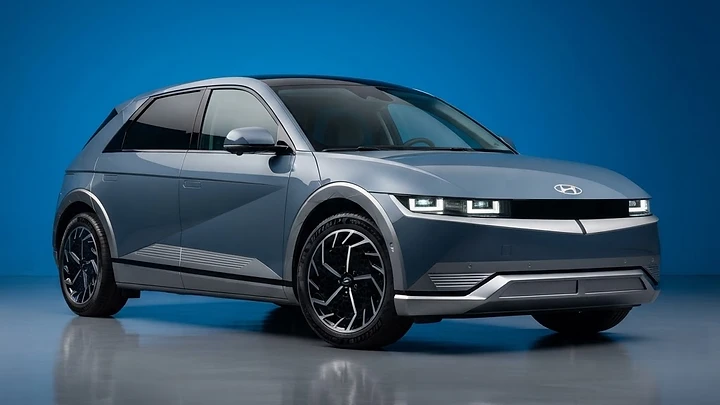

Understanding Charging Costs and Speed Not all electrons are priced the same.
Public charging costs vary based on utility rates, time-of-use pricing, and the speed of the charger. DC fast chargers, while convenient for road trips, are generally more expensive than Level 2 chargers found at workplaces or hotels. Understanding your local utility's off-peak hours can save you hundreds of dollars annually. It is about shifting your mindset from 'filling up' to 'topping off' while you live your life—grabbing a coffee, shopping, or working while your car handles its own energy needs. 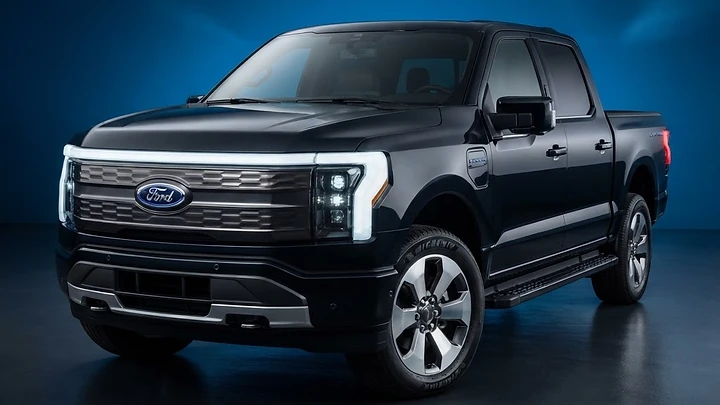

Frequently Asked Questions
Is public charging reliable enough for long road trips in 2026?
Yes, but it requires planning. Using apps that show real-time charger status is essential. The network is growing, but it is not yet as ubiquitous as gas stations. #
How much does it cost to charge an EV compared to gas?
Generally, charging at home is significantly cheaper than buying gasoline. Public fast charging can be comparable to gas prices, but it is rarely more expensive when you consider the overall efficiency of an EV. #
Do I need a special charger installed at home?
You don't strictly need one, but a Level 2 home charger is highly recommended. It cuts charging time from days to just a few hours, ensuring your car is ready whenever you are. #
What is the difference between Level 2 and DC fast charging?
Level 2 is for home or destination charging (taking several hours), while DC fast charging is for highway travel, capable of adding significant range in 20 to 30 minutes.
The Bottom Line The 2026 EV market is more capable and accessible than ever.
If you have the ability to charge at home, the transition is not just easy—it is a massive upgrade in convenience. If you rely solely on public infrastructure, you will need to be more intentional with your travel, but the rapid expansion of the network means that the 'fear of the plug' is becoming a relic of the past. Buy the car that fits your lifestyle, plan your long trips with the right apps, and enjoy the future of driving.
The cars in this story
The real price and honest verdict on each one
- 2026 Dodge ChargerSports Car · from $49,995
- 2026 Ford F-150Full-Size Pickup · from $39,330
- 2026 Tesla Model YSUV · from $44,990
- 2026 Chevrolet TraverseMid-Size SUV · from $40,800
More car news

EV Tires: The 2026 Honest Buyer’s Guide to Replacement
Confused about EV tires? Learn why electric vehicles wear tires differently and how to choose the right replacements to maintain range, safety, and comfort.

Hybrid vs Gas: The 2026 Honest Buyer’s Guide to Savings
Is a hybrid worth the extra cost in 2026? We break down the real-world math, maintenance, and ownership costs to help you make the right choice.

Buying a Hybrid in 2026: The Honest Buyer’s Reality Check
Thinking about a hybrid? With gas prices fluctuating and tax credits gone, here is the honest truth about buying a hybrid car in 2026 to save you money.