EV Charging Costs: Home vs. Public Charging in 2026
Is charging an EV cheaper than gas? We break down the real 2026 costs of home vs. public charging to help you make an informed, budget-friendly decision.
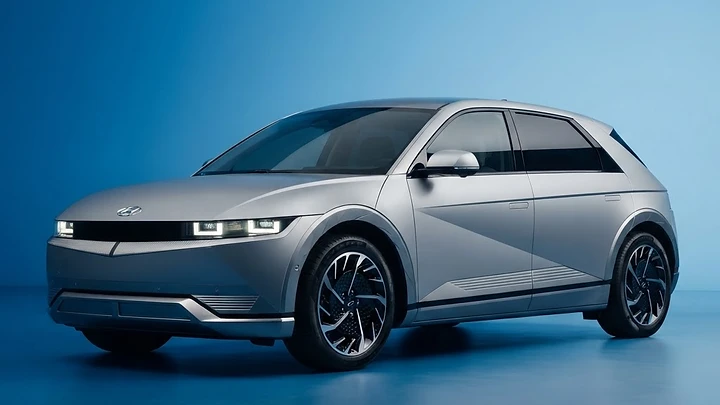
Imagine pulling into your garage after a long day, the silence of your electric vehicle reflecting the quiet satisfaction of a drive well-spent. You simply plug in, walk inside, and let the car replenish its energy while you rest. This is the promise of modern electric mobility: a seamless, almost magical connection between your home and the open road. However, for many American car buyers, the transition to electric is clouded by one persistent question: What does it actually cost to keep the battery full? Understanding the economics of EV charging is the key to unlocking the true value of your vehicle, whether you are eyeing a 2026 Hyundai Ioniq 5 or a 2026 Ford F-150 Lightning.
The Real Math: Home Charging vs.
Public Stations In 2026, the disparity between home and public charging costs remains the most significant factor in your total cost of ownership. On average, residential electricity in the U.S. sits at approximately $0.16 to $0.18 per kWh. When you charge at home, you are essentially paying the wholesale rate for your fuel. Conversely, public DC fast charging stations—the ones you rely on for road trips—average between $0.42 and $0.55 per kWh. This means that relying exclusively on public infrastructure can cost you two to three times more than charging in your own driveway. For a driver covering the national average of 13,489 miles per year, the difference can amount to over $1,000 in annual savings by prioritizing home charging. 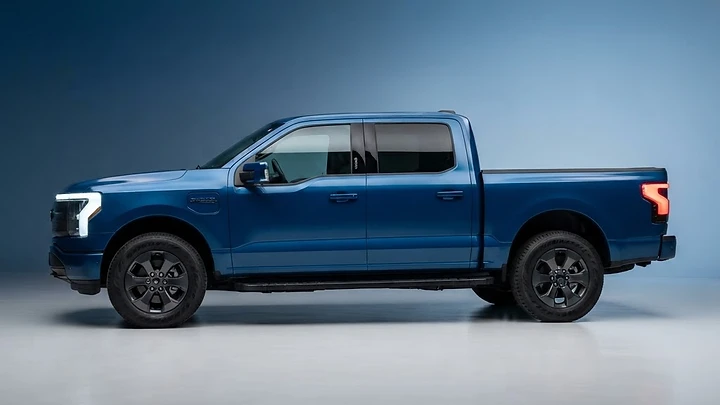
Why Level 2 Home Charging is the Gold Standard While Level 1 charging (using a standard 120V wall outlet) is free, it is often too slow for daily needs, adding only 3–5 miles of range per hour.
Most 2026 EV owners find that a Level 2 charger is essential. These units, which require a 240V outlet, can add 25–40 miles of range per hour, easily refilling your battery overnight. While the average installation cost is roughly $1,700, federal tax credits can cover up to 30% of this expense, significantly lowering your barrier to entry. Think of this as a one-time investment in your home’s infrastructure that pays dividends every single morning. 

Navigating Public Charging Networks and Costs Public charging is a necessary tool for the modern traveler, but it should be viewed as a supplement rather than a primary fuel source.
Networks like Electrify America and Tesla Superchargers offer incredible convenience, but their pricing models are designed for speed and availability. When you use a DC fast charger, you are paying for the high-voltage hardware and the convenience of adding 150+ miles of range in under 30 minutes. To keep your budget transparent, use apps to track your charging sessions and look for utility-sponsored off-peak charging programs, which can further reduce your costs by incentivizing charging during late-night hours. 

The Hidden Factors: Efficiency and Weather It is important to remember that not all miles are created equal.
Cold weather can reduce battery efficiency, and charging losses—the energy lost as heat during the conversion process—are a reality of physics. However, even with these variables, EVs remain significantly cheaper to operate than their gasoline counterparts. A gas-powered vehicle averaging 25 MPG at $3.99 per gallon costs roughly $2,154 annually to fuel. An EV charged at home, even accounting for minor inefficiencies, typically costs less than $700 for the same distance. This is the kind of long-term ownership value that makes the switch to electric so compelling for families. 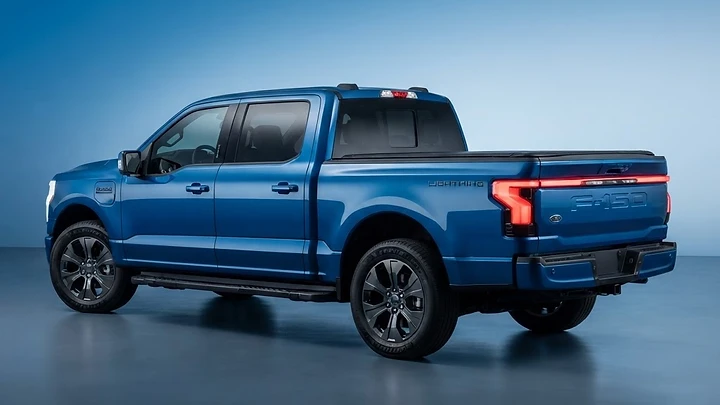

Frequently Asked Questions
Is it cheaper to charge an EV at home or at a public station?
Home charging is significantly cheaper, typically costing 60–80% less than public DC fast charging. Most homeowners pay the standard residential electricity rate, while public stations charge a premium for the speed and infrastructure. #
How much does it cost to install a home EV charger?
On average, a Level 2 home charger installation costs about $1,700. This includes the hardware, labor, and permitting. Many homeowners can offset this cost using federal tax credits and local utility rebates. #
Can I use a regular wall outlet to charge my EV?
Yes, this is called Level 1 charging. It works for short commutes, but it is very slow. Most EV owners eventually upgrade to a Level 2 charger for the convenience of overnight full-range recovery. #
Does the time of day I charge affect my bill?
Yes, if your utility provider offers Time-of-Use (TOU) rates. Charging during off-peak hours—usually late at night—can be significantly cheaper than charging during the day when demand on the grid is high.
The Bottom Line The transition to an electric vehicle is an investment in both technology and your personal budget.
To maximize your savings, prioritize a Level 2 home charging setup as part of your purchase plan. By treating public charging as a road-trip convenience rather than a daily necessity, you can enjoy the awe-inspiring performance and efficiency of a 2026 EV while keeping your monthly operating costs at a fraction of what you would pay for gasoline.
The cars in this story
The real price and honest verdict on each one
- 2026 Dodge ChargerSports Car · from $49,995
- 2026 Ford F-150Full-Size Pickup · from $39,330
- 2026 Toyota RAV4Compact SUV · from $31,900
More car news


Hybrid vs Plug-in Hybrid: The 2026 Honest Buyer’s Guide
Confused by hybrid options? We break down the real-world costs, reliability, and driving habits to help you choose the right 2026 hybrid for your lifestyle.

Hybrid vs Gas: The 2026 Honest Buyer’s Guide to Savings
Is a hybrid worth the extra cost in 2026? We break down the real-world fuel savings, depreciation, and ownership costs to help you make the right choice.

Solar-Powered Cars: The 2026 Honest Buyer’s Reality Check
Are solar-powered cars worth the hype in 2026? We break down the reality of solar roofs, charging efficiency, and whether they actually save you money.