EV Charging in 2026: A Practical Guide for New Owners
Confused by EV charging? Discover the 2026 reality of home vs. public charging, infrastructure growth, and how to power your electric vehicle with confidence.
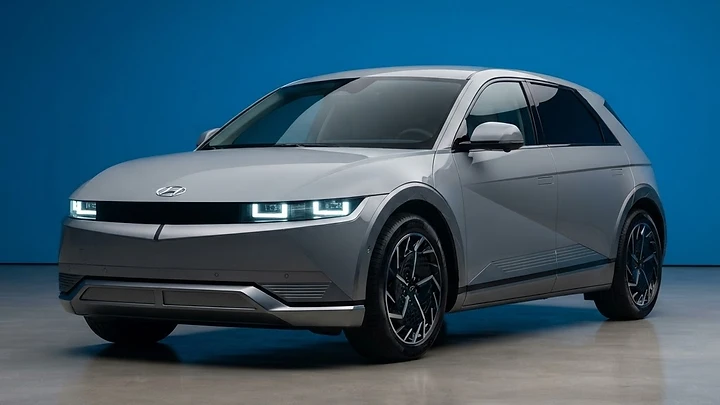
There is a quiet, electric revolution happening on the American road. Imagine pulling into your driveway after a long day, plugging in your vehicle with a simple click, and waking up to a full 'tank' of energy, ready to conquer the morning commute without ever visiting a gas station. As we move through 2026, the anxiety surrounding electric vehicle (EV) charging is rapidly giving way to a new era of convenience and reliability. Whether you are eyeing a sleek Hyundai Ioniq 5 or a rugged Ford F-150 Lightning, understanding how to power your ride is the final piece of the puzzle in making the switch to electric.
The Reality of Home Charging: Your Personal Power Station For most American drivers, the home is the primary hub for energy.
Data from 2026 confirms that nearly 75% of EV charging happens at home or the workplace, offering the most cost-effective and convenient way to maintain your battery. Installing a Level 2 charger in your garage or driveway transforms your home into a private fueling station. While the initial installation cost can vary, the long-term savings compared to gasoline are significant. If you live in a multi-unit dwelling, the landscape is shifting too, with more apartment complexes and condos integrating charging infrastructure to meet the growing demand. 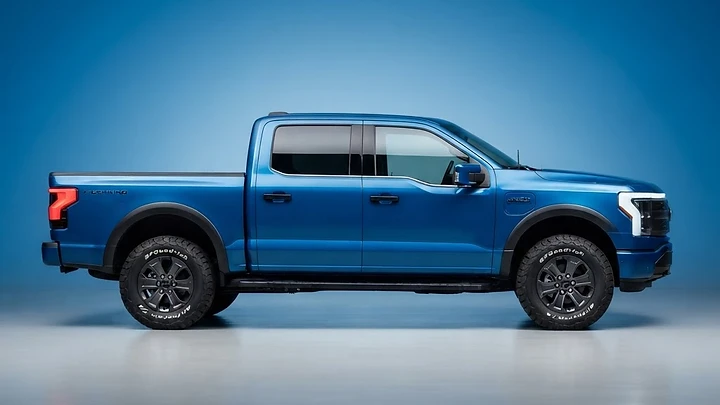
Navigating Public Charging Networks in 2026 The public charging network has seen a massive expansion, with over 74,000 DC fast-charging ports now available across the United States.
The days of 'range anxiety' are being replaced by 'smart planning.' Modern vehicles now feature sophisticated navigation systems that automatically route you to the most efficient chargers, pre-conditioning your battery for faster intake. Whether you are stopping at a retail center or a dedicated highway hub, the experience is becoming more seamless, with plug-and-charge technology eliminating the need for multiple apps or credit card swipes. 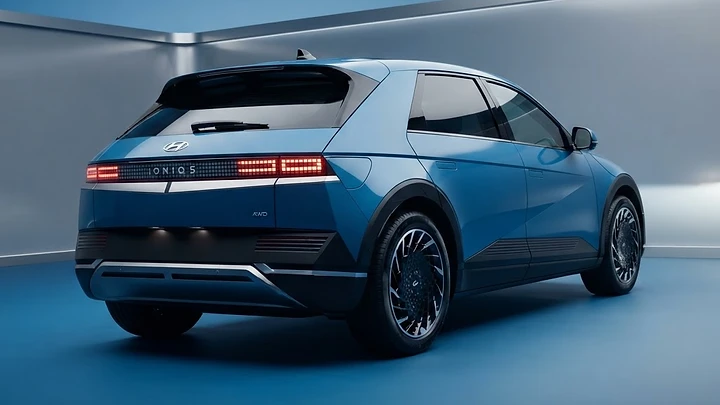

Understanding Charging Speeds: Level 1, 2, and DC Fast Not all chargers are created equal, and knowing the difference is key to a stress-free ownership experience.
Level 1 charging uses a standard 120V outlet—perfect for overnight top-ups if you drive short distances. Level 2 is the gold standard for home use, providing a full charge in a few hours. For long-distance road trips, DC fast chargers (often called Level 3) are your best friend, capable of adding hundreds of miles of range in the time it takes to grab a coffee and stretch your legs. 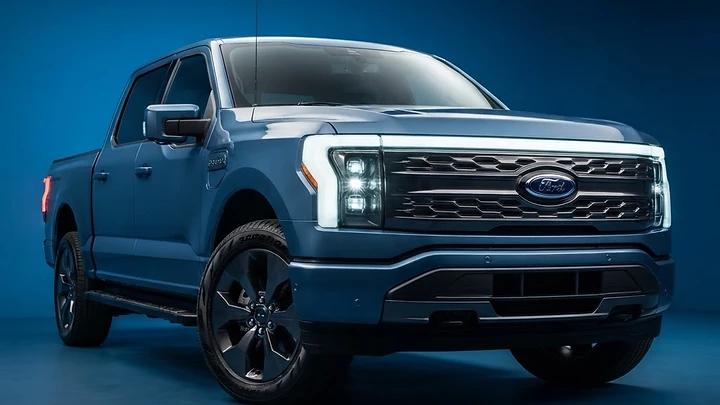

The Future of Energy: V2G and V2H Technology Your car is evolving from a simple mode of transport into a mobile energy asset.
With Vehicle-to-Grid (V2G) and Vehicle-to-Home (V2H) capabilities, your EV can act as a backup power source for your house during an outage or even feed energy back into the grid during peak demand. This bidirectional technology is no longer a futuristic concept; it is a feature appearing in many 2026 models, adding a layer of resilience and value to your investment that a traditional gas car simply cannot match. 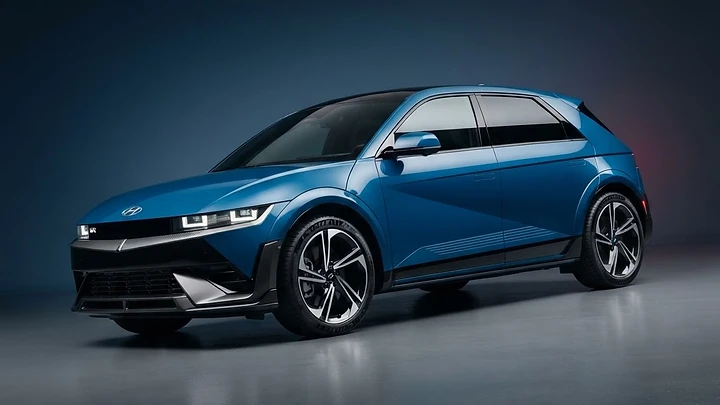

Frequently Asked Questions
Is it expensive to install a home charger?
While installation costs vary based on your home's electrical panel capacity, many utility companies offer rebates that significantly offset the price. It is a one-time investment that pays dividends in fuel savings. #
Do I need to charge my EV to 100% every day?
Not necessarily. Most manufacturers recommend charging to 80% for daily use to preserve long-term battery health, reserving 100% charges for long road trips. #
Are public chargers reliable?
Reliability has improved drastically in 2026. New federal and private standards are mandating higher uptime for charging networks, and real-time data in your car's navigation helps you avoid broken stations. #
Can I charge my EV in the rain?
Yes, EV charging systems are designed with multiple safety layers, making them perfectly safe to use in rain, snow, or extreme weather conditions.
The Bottom Line The 2026 EV landscape is more accessible than ever.
If you have the ability to charge at home, the transition is almost certainly a net positive for your wallet and your peace of mind. For those who rely on public infrastructure, the network is growing and becoming more reliable by the month. Focus on your daily driving habits, look for a vehicle with a range that exceeds your typical needs, and embrace the quiet, powerful performance that only an electric drivetrain can provide.
The cars in this story
The real price and honest verdict on each one
Every model, side by sideMore car news

EV Tires: The 2026 Honest Buyer’s Guide to Replacement
Confused about EV tires? Learn why electric vehicles wear tires differently and how to choose the right replacements to maintain range, safety, and comfort.

Hybrid vs Gas: The 2026 Honest Buyer’s Guide to Savings
Is a hybrid worth the extra cost in 2026? We break down the real-world math, maintenance, and ownership costs to help you make the right choice.


Buying a Hybrid in 2026: The Honest Buyer’s Reality Check
Thinking about a hybrid? With gas prices fluctuating and tax credits gone, here is the honest truth about buying a hybrid car in 2026 to save you money.