EV Home Charging: The 2026 Smart Buyer’s Guide
Thinking of buying an EV? Discover the real costs, installation secrets, and savings of home charging in 2026 to make your next vehicle purchase a smart one.
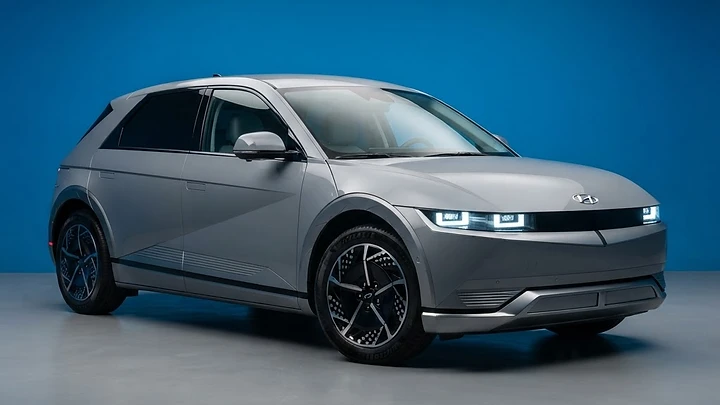
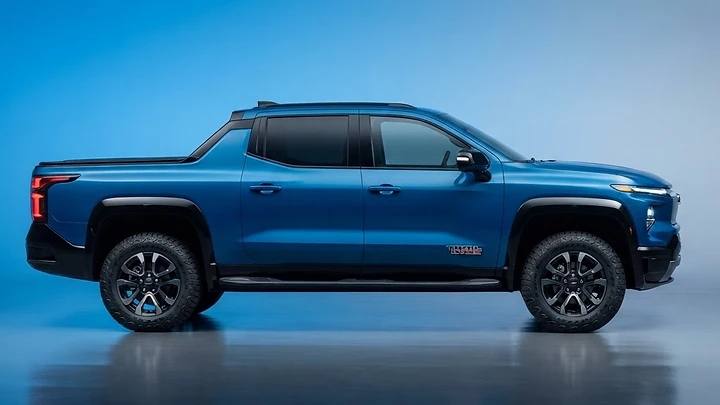
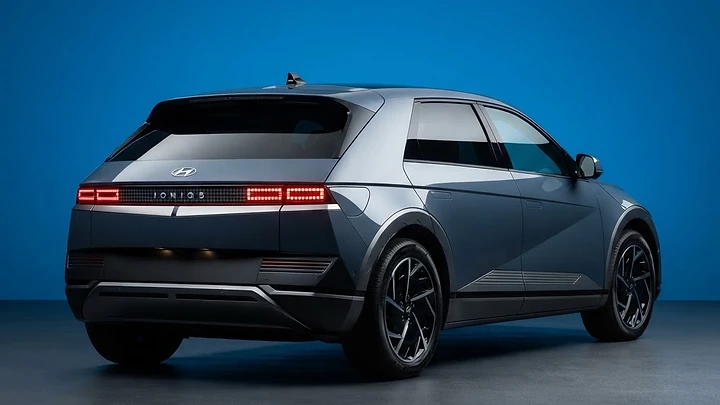
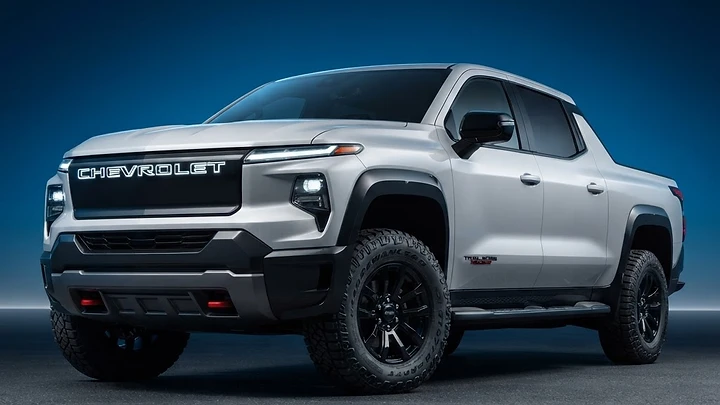
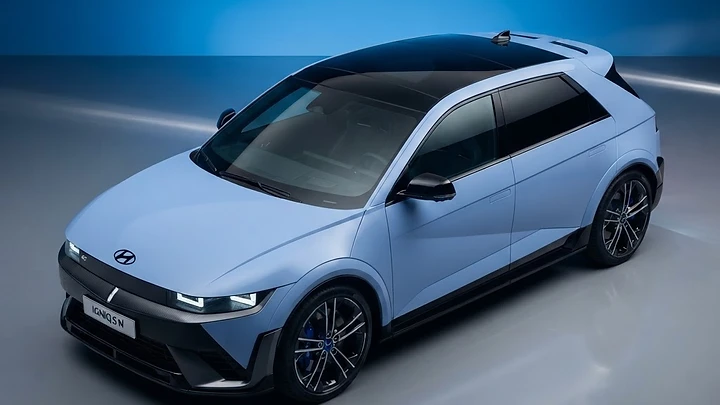
There is a quiet, transformative magic in waking up to a full tank every single morning. Imagine pulling into your garage after a long day, plugging in your vehicle with a simple, fluid motion, and knowing that while you sleep, your car is quietly gathering the energy for tomorrow’s adventures. For the modern American driver, the transition to an electric vehicle (EV) is about more than just cutting ties with the gas pump; it is about reclaiming your time and embracing a new standard of convenience. In 2026, the infrastructure for home charging has matured into a seamless, reliable ecosystem that makes the electric lifestyle not just possible, but profoundly rewarding. Whether you are eyeing the efficiency of a 2026 Hyundai Ioniq 5 or the rugged utility of a 2026 Chevrolet Silverado EV, understanding how to power your ride at home is the single most important step in your ownership journey.
The Economics of Home Charging: Why It Wins
When you look at the math, the case for home charging is compelling. On average, charging an EV at home costs roughly $0.05 to $0.07 per mile, which is significantly cheaper than the fluctuating costs of gasoline. While public DC fast charging is essential for long-distance road trips, it is often two to three times more expensive than charging in your own garage. By utilizing off-peak electricity rates—often available through your local utility provider—you can turn your vehicle into a high-efficiency appliance that costs pennies to operate. For a typical 60 kWh battery, a full charge at home averages around $11.00, a stark contrast to the $40 or $50 you might spend at a gas station for a comparable range.
Level 1 vs. Level 2: Choosing Your Speed
Most new EVs come with a basic Level 1 charging cord that plugs into a standard 120V household outlet. While this is convenient, it is slow, often adding only 3 to 5 miles of range per hour. For most owners, a Level 2 charger is the gold standard. These units operate on 240V—the same voltage as your clothes dryer—and can add 25 to 30 miles of range per hour, ensuring your vehicle is fully charged overnight. In 2026, the industry has largely standardized on the North American Charging Standard (NACS) connector, making it easier than ever to find compatible hardware that will serve you for years to come.
Navigating Installation Costs and Permits
Installing a Level 2 charger is an investment in your home’s value and your vehicle’s utility. On average, you can expect to pay between $500 and $3,000 for equipment and professional installation. This price varies based on your home’s existing electrical capacity. If your panel is already maxed out, you might need an upgrade, which can add $1,000 to $2,500 to the total. Always consult with a licensed electrician to assess your panel, wiring distance, and local permit requirements. While the federal 30C tax credit for charger installation expired in mid-2026, many local utility companies still offer generous rebates ranging from $250 to $500 to encourage adoption.

Smart Features for the Modern Garage
Modern EV chargers are no longer just "dumb" power cords; they are smart devices. Many 2026-ready chargers feature Wi-Fi connectivity, allowing you to monitor your energy usage, schedule charging sessions during off-peak hours, and even integrate with your home’s energy management system. Some advanced setups, like those offered by GM Energy, even support vehicle-to-home (V2H) capabilities, allowing your EV to act as a backup power source for your house during an outage. This level of integration turns your car into a vital component of your home’s energy resilience.

Frequently Asked Questions
Do I need to upgrade my electrical panel to charge an EV? Not necessarily. A professional electrician can perform a load calculation to see if your current panel can handle the additional draw. Many homes with 200-amp service can accommodate a Level 2 charger without major modifications.
Can I use a public charger if I don't have a garage? Yes, though it requires more planning. Many urban dwellers rely on public Level 2 chargers at work or grocery stores. Check apps like PlugShare to see the density of chargers in your neighborhood before committing to an EV.
What is the difference between hardwired and plug-in chargers? Hardwired chargers are permanently connected to your home’s electrical system, which is often safer for high-amperage outdoor installations. Plug-in units offer more flexibility if you move or want to take your charger with you, but they require a high-quality NEMA outlet.
Are all chargers compatible with every EV? In 2026, most new vehicles use the NACS connector. If you own an older vehicle with a CCS1 port, you can easily use a high-quality adapter to bridge the gap.

The Bottom Line
Home charging is the cornerstone of a stress-free electric vehicle experience. By investing in a quality Level 2 charger and understanding your local utility rates, you can maximize your savings and enjoy the unparalleled convenience of a "full tank" every morning. Don't let the installation process intimidate you; treat it as a one-time upgrade that pays dividends in both time and money for the entire life of your vehicle. For most American families, the transition to home charging is the moment the "EV experiment" becomes a permanent, superior way of life.
The cars in this story
The real price and honest verdict on each one
Every model, side by sideMore car news

EV Tires: The 2026 Honest Buyer’s Guide to Replacement
Confused about EV tires? Learn why electric vehicles wear tires differently and how to choose the right replacements to maintain range, safety, and comfort.

Hybrid vs Gas: The 2026 Honest Buyer’s Guide to Savings
Is a hybrid worth the extra cost in 2026? We break down the real-world math, maintenance, and ownership costs to help you make the right choice.


Buying a Hybrid in 2026: The Honest Buyer’s Reality Check
Thinking about a hybrid? With gas prices fluctuating and tax credits gone, here is the honest truth about buying a hybrid car in 2026 to save you money.