EV Maintenance Costs: The 2026 Honest Buyer’s Guide
Thinking of switching to electric? Discover the real-world maintenance costs of EVs vs. gas cars in 2026 and what you actually need to budget for.
There is a quiet revolution happening on the American road. As you glide silently past the gas station, the only sound is the hum of the electric motor and the wind against the glass. For many, the transition to an electric vehicle (EV) is about more than just saving money; it is about embracing a future where the complexity of a thousand moving engine parts is replaced by the elegant simplicity of a battery and a motor. But as a savvy buyer, you are likely asking the most important question: what does this mean for my wallet in the long run? Understanding EV maintenance costs in 2026 is the key to making a decision that feels as good in five years as it does on the day you drive off the lot.
The Reality of EV Maintenance vs.
Gas Cars When you compare maintenance on electric cars vs. gas cars, the difference is stark. A traditional internal combustion engine is a marvel of mechanical engineering, but it is also a high-maintenance machine. You are constantly managing oil changes, spark plugs, timing belts, fuel filters, and exhaust systems. In contrast, an EV powertrain is remarkably streamlined. Because there is no combustion, there is no engine oil to change, no transmission fluid to flush, and no exhaust system to rust out. According to recent industry data, EV owners can expect to save significantly on routine powertrain maintenance, with some estimates suggesting lifetime savings of 40% to 50% compared to a comparable gas-powered vehicle. 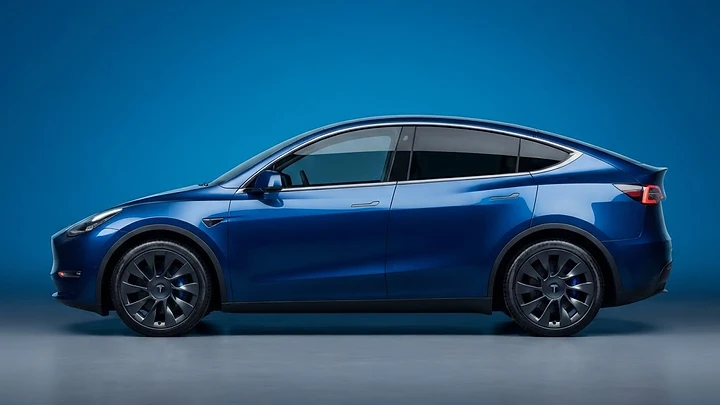
Why Tires and Brakes Still Matter While you are saying goodbye to the oil change, you are not saying goodbye to the mechanic entirely.
EVs are heavier than their gas counterparts due to the battery pack, and they deliver instant torque. This combination can lead to faster tire wear if you have a heavy foot. Furthermore, while regenerative braking significantly extends the life of your brake pads by using the motor to slow the vehicle, you still need to monitor your brake fluid and ensure the mechanical components remain lubricated and free of corrosion. Think of it as a shift in focus: you are spending less time under the hood and more time ensuring your contact points with the road are in peak condition. 

The Role of Software and Battery Health In 2026, your car is as much a computer as it is a vehicle.
Modern EVs rely heavily on software to manage battery thermal regulation and power delivery. Many manufacturers now offer over-the-air (OTA) updates that can improve efficiency or range without you ever visiting a dealership. However, this makes regular diagnostic checks essential. A professional service visit for an EV often involves a high-voltage system inspection and a software health check to ensure your battery management system is operating at peak efficiency. Protecting your battery—the heart of your vehicle—is the single most important step in maintaining your car's long-term value. 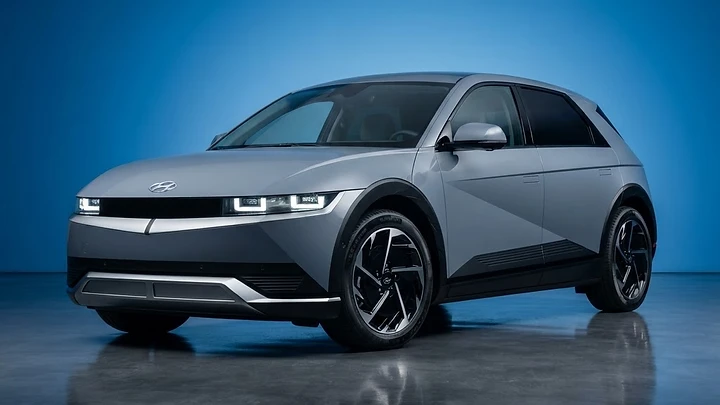

Factoring in Depreciation and Insurance While maintenance and fuel costs are clear wins for the EV, the total cost of ownership is a more nuanced picture.
In 2026, depreciation remains a significant factor for many electric models. Because the technology is evolving so rapidly, older EVs can sometimes see faster depreciation than their gas-powered peers. Additionally, insurance premiums for EVs can be higher due to the specialized nature of repairs and the cost of battery components. When you are budgeting, it is vital to look at the "big picture"—fuel savings and lower maintenance costs are powerful, but they must be weighed against your specific insurance rates and the expected resale value of the model you choose. 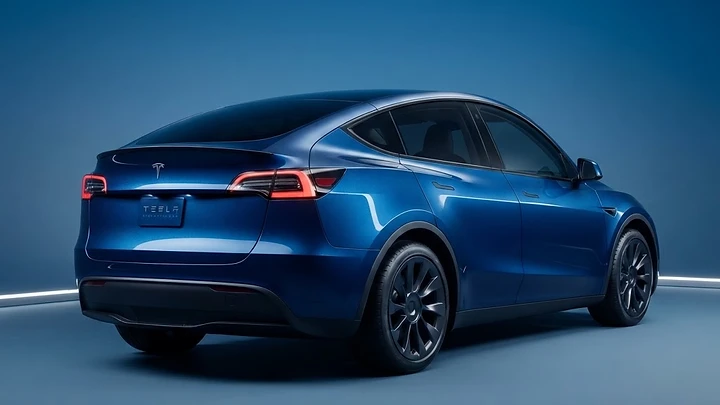

Frequently Asked Questions
Do electric cars really never need an oil change?
That is correct. Because there is no internal combustion engine, there are no pistons, valves, or oil-lubricated components that require periodic oil changes. #
How often should I service my EV?
Most manufacturers recommend a check-up every 12,000 to 15,000 miles. This typically includes tire rotations, cabin air filter replacements, and a comprehensive inspection of the battery cooling system and brake fluid. #
Are EV tires more expensive?
They can be. Many EVs use specialized low-rolling-resistance tires designed to handle the extra weight and torque of the vehicle. While they may cost slightly more, they are essential for maintaining the efficiency and range you expect. #
What happens if the battery fails?
While rare, battery failure is a concern for many. Most manufacturers provide an 8-year/100,000-mile warranty on the battery pack, which covers you against premature failure. Always check the specific warranty terms of the model you are considering.
The Bottom Line If you are looking for a vehicle that offers a predictable, lower-cost maintenance experience, the 2026 EV market is a compelling place to be.
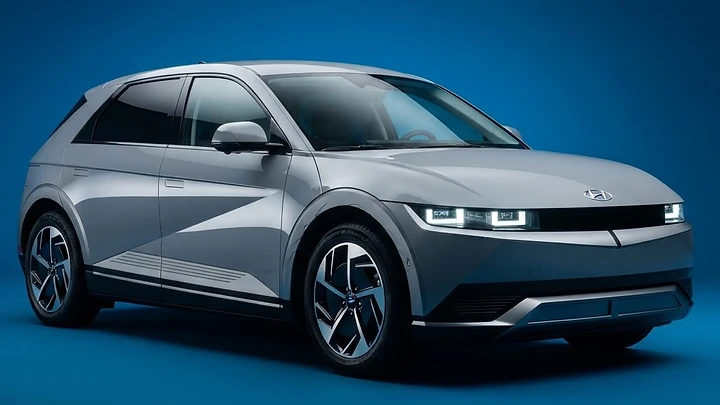
By choosing a model like the Hyundai Ioniq 5 or the Tesla Model Y, you are opting for a driving experience that minimizes the "surprise" repair bills associated with traditional engines. However, be honest about your driving habits: if you do a lot of highway miles, prioritize a model with a robust thermal management system to protect your battery, and always factor in the cost of insurance and potential depreciation. The open road is waiting, and with the right EV, you can enjoy it with more peace of mind and less time spent in the service bay.
The cars in this story
The real price and honest verdict on each one
- 2026 Tesla Model YSUV · from $44,990
- 2026 Lucid AirLuxury Electric Sedan · from $70,900
- 2026 Toyota RAV4Compact SUV · from $31,900
More car news

Hybrid vs Plug-in Hybrid: The 2026 Honest Buyer’s Guide
Confused by hybrid options? We break down the real-world costs, reliability, and driving habits to help you choose the right 2026 hybrid for your lifestyle.

Hybrid vs Gas: The 2026 Honest Buyer’s Guide to Savings
Is a hybrid worth the extra cost in 2026? We break down the real-world fuel savings, depreciation, and ownership costs to help you make the right choice.

Solar-Powered Cars: The 2026 Honest Buyer’s Reality Check
Are solar-powered cars worth the hype in 2026? We break down the reality of solar roofs, charging efficiency, and whether they actually save you money.