EV Ownership Costs: The Honest 2026 Truth About Savings
Thinking about an EV? We break down the real 2026 ownership costs, from maintenance savings to the truth about battery life, so you can buy with confidence.
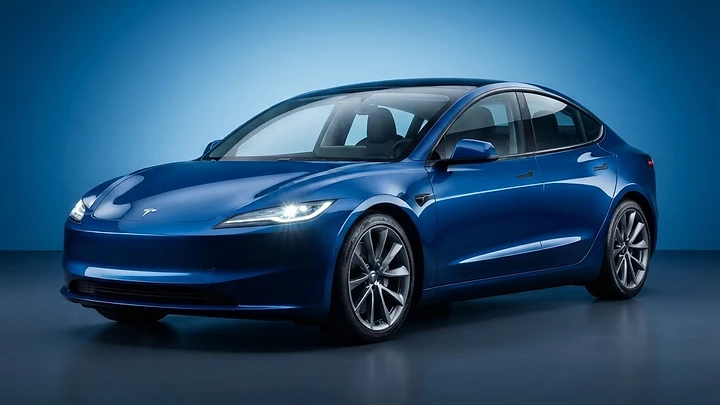
There is a quiet revolution happening on American roads. It is not just the silent, instant surge of torque when you press the pedal or the way a modern electric vehicle glides over asphalt with the grace of a high-speed train; it is the realization that the old rules of car ownership are shifting beneath our feet. For the American buyer, the transition to electric is often clouded by myths of astronomical repair bills and fleeting battery life. But as we move through 2026, the data tells a more nuanced, and frankly, more optimistic story. Whether you are eyeing a sleek Tesla Model 3, a rugged Rivian R1T, or a practical Hyundai Ioniq 5, understanding the true cost of ownership is your best defense against dealership pressure and uncertainty.
The Real Cost of EV Maintenance When you strip away the internal combustion engine, you remove hundreds of moving parts—pistons, spark plugs, timing belts, and complex transmissions—that are destined to fail eventually.
Research from Consumer Reports and recent 2026 industry data confirm that EVs cost significantly less to maintain than their gas-powered counterparts. On average, EV owners spend about 6.1 cents per mile on maintenance, compared to 10.1 cents for gas vehicles. Because of regenerative braking, which uses the electric motor to slow the car, your brake pads can last twice as long as they would on a traditional sedan or SUV. The primary maintenance items for an EV are tires, cabin air filters, and coolant loops. While it is true that the instant torque of an electric motor can wear tires 10–20% faster, the total annual savings on oil changes and engine-related repairs far outweigh the cost of an extra set of tires over the life of the vehicle. 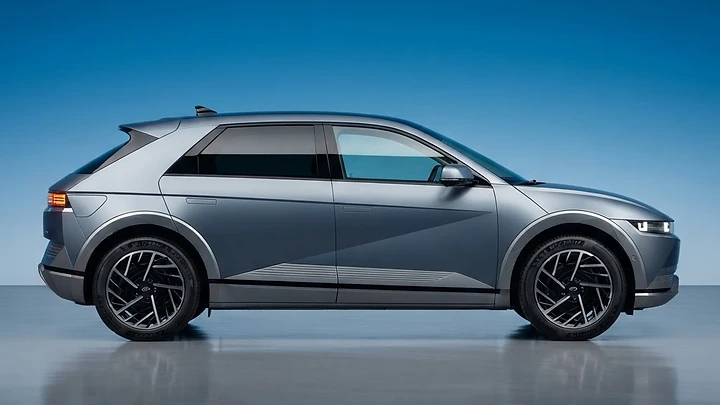
Debunking the EV Battery Replacement Myth The most persistent fear for prospective buyers is the dreaded battery replacement bill.
It is a common talking point in showrooms, but it rarely reflects the reality of modern ownership. According to data from Recurrent, only about 2.5% of EVs ever require a battery replacement. Most batteries are engineered to last 15 to 20 years—often outliving the vehicle itself. Furthermore, federal mandates require an 8-year/100,000-mile warranty on EV batteries, and some manufacturers are now offering even longer coverage. If you are buying a 2026 model, you are protected by some of the most robust battery health technology ever produced, including advanced thermal management systems that prevent the degradation seen in older, first-generation electric cars. 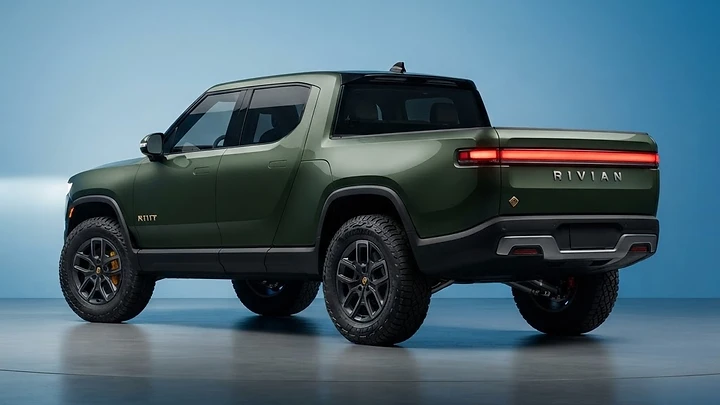

Charging Strategy: The Hidden Variable in Your Budget The financial advantage of an EV is heavily dependent on your charging habits.
If you have access to home charging, you are essentially fueling your car at a fraction of the cost of gasoline. A 2026 analysis shows that a mid-size EV owner charging 80% at home can save over $8,000 in total ownership costs over five years compared to a gas-powered SUV. However, relying exclusively on public DC fast charging can narrow that gap significantly. Public charging rates can sometimes rival the cost of gas, making it essential to calculate your local electricity rates before making the switch. For the average American family, the convenience of waking up to a "full tank" every morning is a luxury that also happens to be the most cost-effective way to drive. 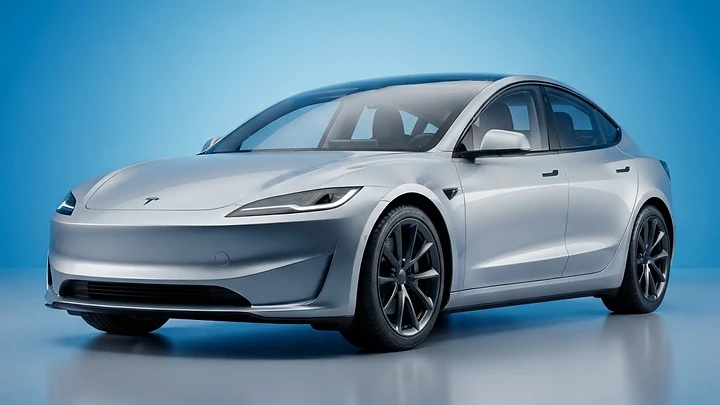

Depreciation and Long-Term Value While EVs have historically faced steeper initial depreciation, the market is stabilizing as battery technology matures and demand for used EVs grows.
When evaluating a purchase, look for models with strong software support and proven battery longevity. Buying an EV today is not just about the sticker price; it is about the total cost of ownership over five or ten years. By factoring in lower maintenance, fuel savings, and the peace of mind provided by long-term warranties, many buyers find that the "premium" price of an EV is an investment that pays dividends in both performance and reliability. 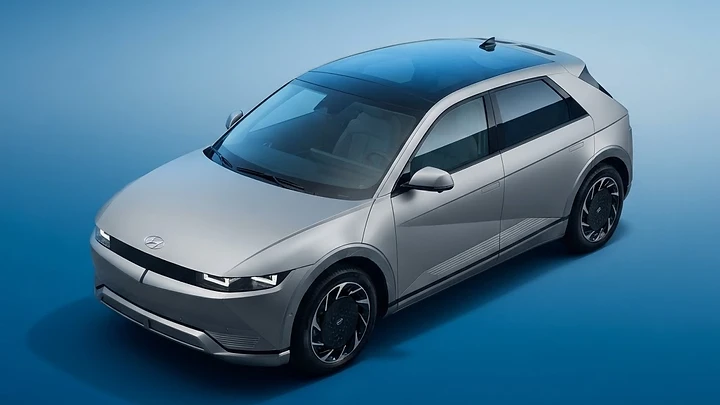

Frequently Asked Questions
How often do I really need to replace an EV battery?
It is extremely rare. Most EV batteries are designed to last the life of the vehicle, typically 15 to 20 years. Only about 2.5% of EVs ever require a replacement, and most are covered under the manufacturer's 8-year/100,000-mile warranty. #
Are tires really more expensive for EVs?
EVs are heavier and have more torque, which can wear tires about 10–20% faster than a gas car. However, this is a minor expense compared to the thousands of dollars saved on engine maintenance and fuel over the same period. #
Does extreme weather ruin EV batteries?
Extreme heat or cold can temporarily impact range, but modern EVs use sophisticated thermal management systems to protect the battery. As long as you follow the manufacturer's guidelines for storage and charging, your battery health will remain stable. #
Is it cheaper to charge at home or at public stations?
Charging at home is almost always significantly cheaper than using public DC fast chargers. Most owners save thousands over five years by utilizing off-peak home electricity rates.
The Bottom Line If you have access to home charging, the math for 2026 strongly favors the electric vehicle.
While the upfront cost may be higher, the combination of lower maintenance requirements, fuel savings, and long-term battery reliability makes the EV a smart financial choice for most American families. Focus on models with proven track records, ensure you have a home charging plan, and enjoy the quiet, powerful performance that only an electric drivetrain can provide.
The cars in this story
The real price and honest verdict on each one
- 2026 Rivian R1TFull-Size Pickup · from $70,990
- 2026 Tesla Model 3Sedan · from $38,990
- 2026 Lucid AirLuxury Electric Sedan · from $70,900
More car news

Hybrid vs Plug-in Hybrid: The 2026 Honest Buyer’s Guide
Confused by hybrid options? We break down the real-world costs, reliability, and driving habits to help you choose the right 2026 hybrid for your lifestyle.

Hybrid vs Gas: The 2026 Honest Buyer’s Guide to Savings
Is a hybrid worth the extra cost in 2026? We break down the real-world fuel savings, depreciation, and ownership costs to help you make the right choice.

Solar-Powered Cars: The 2026 Honest Buyer’s Reality Check
Are solar-powered cars worth the hype in 2026? We break down the reality of solar roofs, charging efficiency, and whether they actually save you money.