Home EV Charging: The 2026 Honest Buyer’s Guide
Considering an electric vehicle? Learn the real costs, installation steps, and savings of home EV charging in 2026 to make an informed, pressure-free decision.

Imagine pulling into your driveway after a long day, the silence of your electric vehicle humming as you step out under a starlit sky. You don't need to hunt for a gas station or worry about fluctuating fuel prices. Instead, you simply plug in your car, much like you would your smartphone, and wake up to a full battery ready for the morning commute. This is the promise of home EV charging—a seamless, efficient, and liberating way to power your life. As we navigate the 2026 automotive landscape, understanding how to charge at home is the single most important step in transitioning to an electric vehicle with confidence.
Understanding Your Charging Options: Level 1 vs.
Level 2 When you bring home a 2026 EV, such as the efficient Hyundai Ioniq 5 or the spacious Kia EV9, you are essentially choosing between two primary ways to charge. Level 1 charging uses a standard 120V household outlet. While it requires no extra equipment, it is slow, typically adding only 3 to 5 miles of range per hour. For most, this is a temporary solution. Level 2 charging is the gold standard for American car buyers. By utilizing a 240V circuit—the same type used for a clothes dryer—you can add 10 to 20 miles of range per hour. This allows you to replenish a significant portion of your battery overnight, ensuring you are always ready for the road ahead. 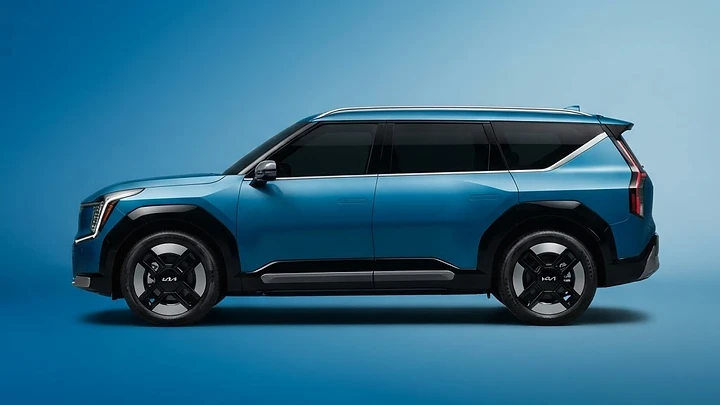
The Real Cost of Home Charger Installation Installing a Level 2 charger is an investment in your long-term convenience.
On average, you can expect to spend between $400 and $1,500 for the charging hardware itself, with professional installation costs ranging from $400 to $4,500 depending on your home's electrical capacity. If your home requires a panel upgrade or extensive wiring, costs can climb, but many homeowners find that the reduction in public charging fees pays for the installation over time. Always consult with a licensed electrician who understands the National Electrical Code to ensure your setup is safe, compliant, and efficient. 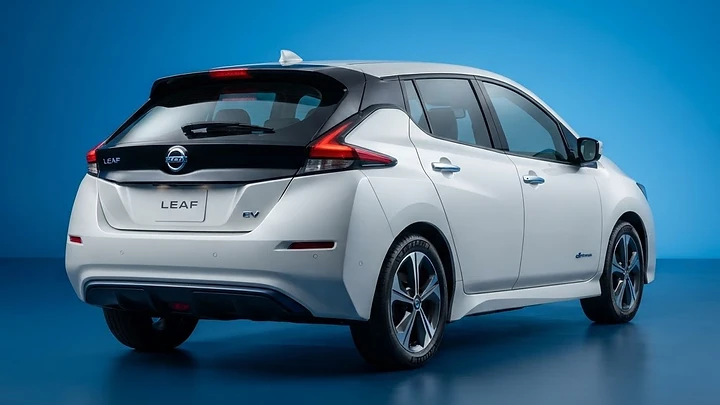

Navigating Charging for Renters and Apartments If you don't own a home with a dedicated garage, you might feel like the EV revolution is passing you by.
However, the landscape is shifting. Many apartment complexes and multi-unit dwellings are now installing communal charging stations to attract residents. If your building lacks infrastructure, check with your local utility provider, as many are developing programs to help renters and property managers bridge the gap. Before signing a lease or buying an EV, always verify the availability of charging at your residence or within a short walking distance to ensure your ownership experience remains stress-free. 

Maximizing Savings with Utility Plans One of the best-kept secrets of EV ownership is the potential for lower electricity rates.
Many utility companies offer specialized EV charging plans that provide discounted rates during off-peak hours—usually late at night. By scheduling your 2026 Nissan Leaf or other EV to charge during these windows, you can significantly lower your cost per mile compared to gasoline. Check your local utility’s website to see if you qualify for time-of-use rates, which can turn your nightly charging routine into a major financial win. 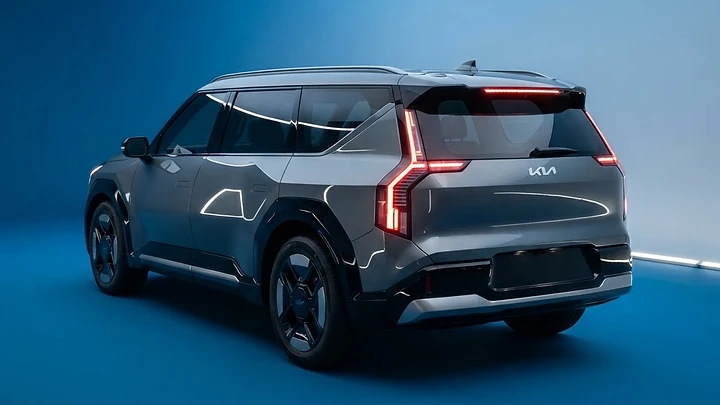

Frequently Asked Questions
Is it mandatory to install a Level 2 charger at home?
No, but it is highly recommended. While Level 1 charging works for low-mileage drivers, Level 2 provides the speed and reliability necessary for daily commuting and peace of mind. #
Can I install an EV charger myself?
While some Level 2 chargers are plug-in models, the electrical work required to install a 240V outlet should always be performed by a licensed professional to ensure safety and code compliance. #
How much does it cost to charge an EV at home compared to gas?
Charging at home is significantly cheaper than fueling a gas vehicle. Depending on your local electricity rates, you can often save hundreds of dollars annually on fuel costs alone. #
What if I move to a new home?
Most Level 2 wallbox chargers can be uninstalled by an electrician and moved to your new property, making them a portable asset rather than a permanent loss.
The Bottom Line Home charging is the cornerstone of a successful EV ownership experience.
By investing in a Level 2 setup, you unlock the true potential of your electric vehicle, saving time and money while enjoying the convenience of a 'full tank' every morning. Before you buy, assess your home's electrical capacity, research local utility incentives, and choose a vehicle that fits your lifestyle. With the right preparation, your transition to electric will be as smooth as the drive itself.
The cars in this story
The real price and honest verdict on each one
Every model, side by sideMore car news


Hybrid vs Plug-in Hybrid: The 2026 Honest Buyer’s Guide
Confused by hybrid options? We break down the real-world costs, reliability, and driving habits to help you choose the right 2026 hybrid for your lifestyle.


Hybrid vs Gas: The 2026 Honest Buyer’s Guide to Savings
Is a hybrid worth the extra cost in 2026? We break down the real-world fuel savings, depreciation, and ownership costs to help you make the right choice.


Solar-Powered Cars: The 2026 Honest Buyer’s Reality Check
Are solar-powered cars worth the hype in 2026? We break down the reality of solar roofs, charging efficiency, and whether they actually save you money.