Home EV Charging: The 2026 Honest Buyer’s Installation Guide
Considering an electric vehicle? Learn the real costs, installation steps, and hardware choices for home EV charging in 2026 to save time and money.
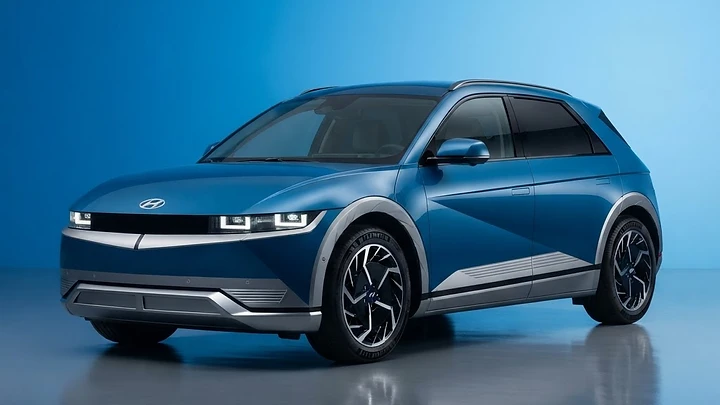
There is a quiet, electric revolution happening in driveways across America. Imagine pulling into your garage after a long day, the silence of your electric vehicle humming as you simply plug it in, knowing that by morning, you will have a full tank of energy ready for the road ahead. It is a level of convenience that transforms the ownership experience, turning the chore of gas station stops into a seamless part of your home routine. As we navigate the 2026 market, understanding how to power your vehicle at home is the single most important step in ensuring your transition to electric is as smooth and rewarding as possible.
Understanding Your Charging Levels: Level 1 vs.
Level 2 When you bring home a new EV, such as the 2026 Hyundai Ioniq 5 or the 2026 Kia EV9, you will likely receive a basic charging cord. This is Level 1 charging, which plugs into a standard 120-volt household outlet. While it works, it is essentially 'trickle charging'—it can take days to fully replenish a large battery. For most owners, Level 2 charging is the gold standard. By utilizing a 240-volt circuit—the same type used for a clothes dryer—you can charge your vehicle significantly faster, often overnight. In 2026, most EV owners find that a 40- or 50-amp circuit provides the perfect balance of speed and installation affordability. 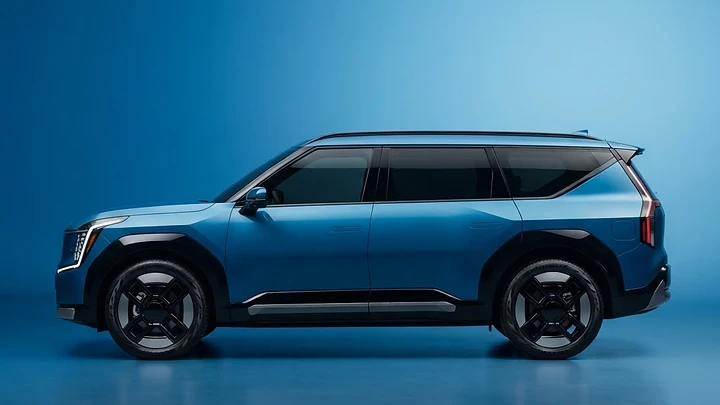
The Real Cost of Home Charger Installation Installing a dedicated Level 2 wallbox is a one-time investment that pays dividends in long-term savings.
On average, you can expect to spend between $1,400 and $2,500 for the equipment and professional installation. This price varies based on your home's electrical panel capacity and the distance from your breaker box to your parking spot. While the federal 30C tax credit for charger installation expired in mid-2026, many local utility companies still offer generous rebates. Always check with your local provider before hiring an electrician; these incentives can often offset a significant portion of your upfront costs. 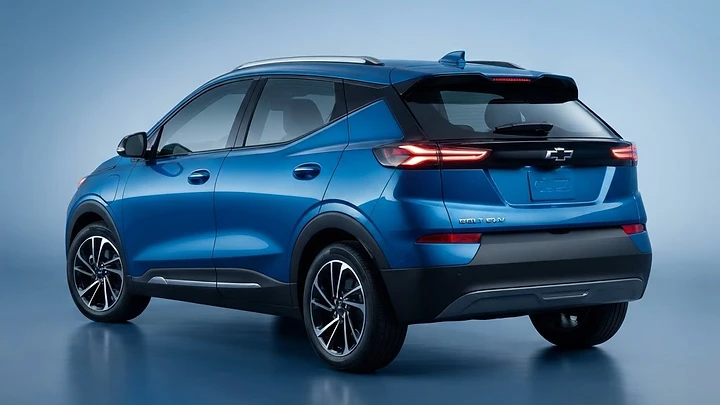

Choosing the Right Hardware for Your Lifestyle Not all chargers are created equal.
When shopping for a wall-mounted unit, look for 'smart' features that allow you to schedule charging during off-peak hours when electricity rates are lowest. If you are a renter or live in a multi-family building, portable Level 2 chargers are an excellent alternative. These units offer the flexibility of a wallbox without the need for permanent hardwiring, though they still require access to a 240-volt outlet. For those with two EVs, you may not even need two chargers; many modern systems can intelligently split power between two vehicles, ensuring both are ready for the morning commute. 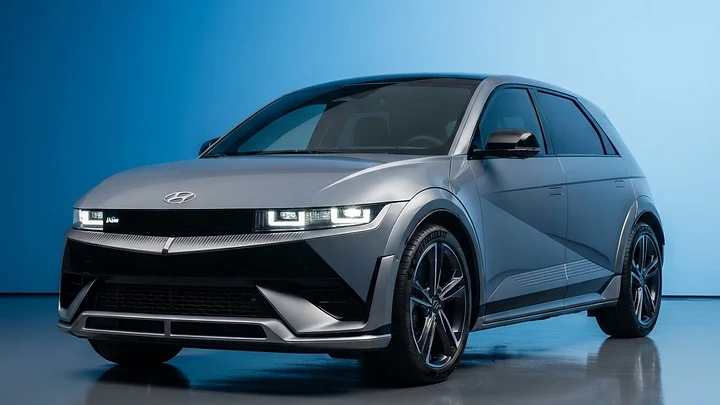

Preparing Your Home Electrical System Before you purchase your charger, have a licensed electrician perform a load calculation on your home’s electrical panel.
Some older homes may require a service upgrade to handle the additional load of an EV charger. This is a critical safety step that should never be skipped. By ensuring your home is properly equipped, you protect your investment and ensure that your charging experience remains reliable for years to come. Remember, the goal is to make your car an extension of your home’s energy ecosystem, not a burden on your infrastructure. 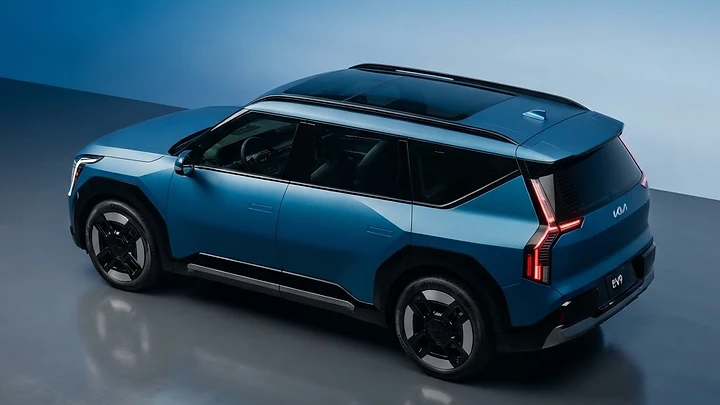

Frequently Asked Questions
Do I really need a professional to install my EV charger?
Yes. While some portable chargers plug into existing outlets, a dedicated Level 2 wallbox requires a 240-volt circuit and must be installed by a licensed electrician to meet local building codes and ensure safety. #
How much does it cost to charge an EV at home?
On average, charging at home is about three times cheaper than using public DC fast chargers. With the U.S. average residential electricity rate, a full charge for a standard EV battery typically costs between $5 and $12, depending on your local utility rates. #
Can I charge my EV if I live in an apartment?
It is becoming more common for apartment complexes to offer charging as an amenity. If your building does not have chargers, speak with your property manager about the growing demand for EV infrastructure, or look for nearby public Level 2 stations where you can charge while running errands. #
What is the difference between a hardwired and plug-in charger?
A hardwired charger is permanently connected to your home's electrical system, which is often more durable for outdoor installations. A plug-in charger uses a NEMA outlet, offering more flexibility if you ever decide to move and want to take your charging equipment with you.
The Bottom Line Transitioning to an electric vehicle is an exciting milestone, and home charging is the key to unlocking its full potential.
For the vast majority of American drivers, installing a Level 2 charger is the most honest, cost-effective, and convenient way to manage your vehicle's energy. Focus on getting a professional electrical assessment first, look for local utility rebates to lower your costs, and choose a smart charger that fits your daily driving habits. By setting up your home correctly today, you ensure that every mile you drive tomorrow is powered by efficiency and peace of mind.
The cars in this story
The real price and honest verdict on each one
Every model, side by sideMore car news

Hybrid vs Gas: The 2026 Honest Buyer’s Guide to Savings
Is a hybrid worth the extra cost in 2026? We break down the real-world math, maintenance, and ownership costs to help you make the right choice.

EV Tires: The 2026 Honest Buyer’s Guide to Replacement
Confused about EV tires? Learn why electric vehicles wear tires differently and how to choose the right replacements to maintain range, safety, and comfort.


Buying a Hybrid in 2026: The Honest Buyer’s Reality Check
Thinking about a hybrid? With gas prices fluctuating and tax credits gone, here is the honest truth about buying a hybrid car in 2026 to save you money.