Hybrid Reliability 2026: The Honest Truth for Buyers
Are hybrids actually reliable? We break down the 2026 data on hybrid longevity, maintenance costs, and which brands you can trust for the long haul.
There is a quiet magic in the way a modern hybrid glides away from a stoplight, the electric motor humming with silent, instant torque before the engine seamlessly joins the dance. For many American families, this isn't just about fuel economy; it is about the promise of a more efficient, stress-free future on the open road. Yet, as you stand on the precipice of your next vehicle purchase, a nagging question often surfaces: Is this complex marriage of battery and combustion engine going to hold up, or will it leave me stranded? In 2026, the automotive landscape has shifted significantly. With hybrid sales surging as drivers seek a middle ground between gas and full electric, understanding the true nature of hybrid reliability is no longer optional—it is essential for smart ownership. The good news is that the data is in, and it is overwhelmingly positive for those who choose wisely. Unlike the early days of electrification, today’s hybrid systems are battle-tested, with brands like Toyota, Honda, and Hyundai leading the charge in long-term dependability.
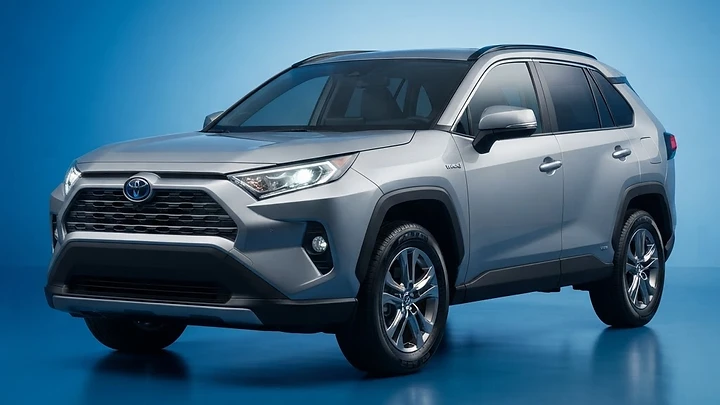
The Reality of Hybrid Longevity and Maintenance When you look under the hood of a 2026 Toyota RAV4 Hybrid or a Honda CR-V Hybrid, you are looking at engineering that has been refined over decades.
Contrary to the myth that more parts mean more problems, hybrids are often mechanically simpler in key areas. They lack traditional starter motors, alternators, and complex multi-speed transmissions that frequently fail in gas-only vehicles. Instead, they utilize robust electric motor-generators and e-CVT systems that are remarkably durable. 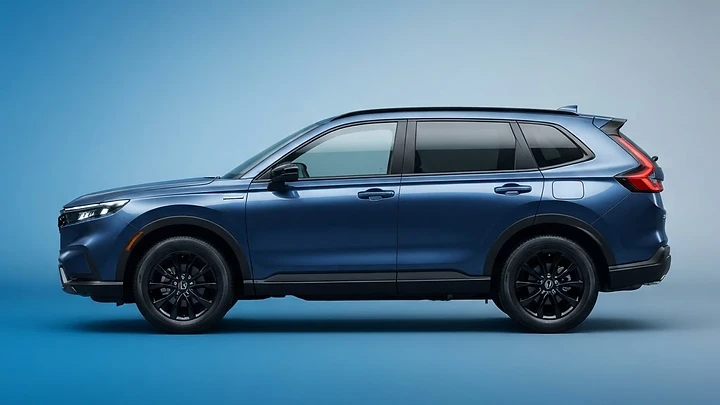 Maintenance is also surprisingly manageable. Because the electric motor handles the heavy lifting during stop-and-go traffic, your brake pads often last twice as long as they would on a conventional car due to regenerative braking. While you still need to perform standard oil changes and fluid checks, the overall stress on the internal combustion engine is significantly reduced. For the average owner, a hybrid battery is designed to last the life of the vehicle, with many manufacturers offering 8-year/100,000-mile warranties as standard.
Why Brand Reputation Still Matters in 2026 While the technology is sound, not all hybrids are created equal.
Reliability rankings in 2026 continue to show a clear divide between manufacturers who have mastered the hybrid ecosystem and those still catching up. Japanese and Korean automakers remain the gold standard here. Toyota’s hybrid architecture, found in models like the Camry Hybrid, is legendary for its ability to surpass 200,000 miles with nothing more than routine maintenance. 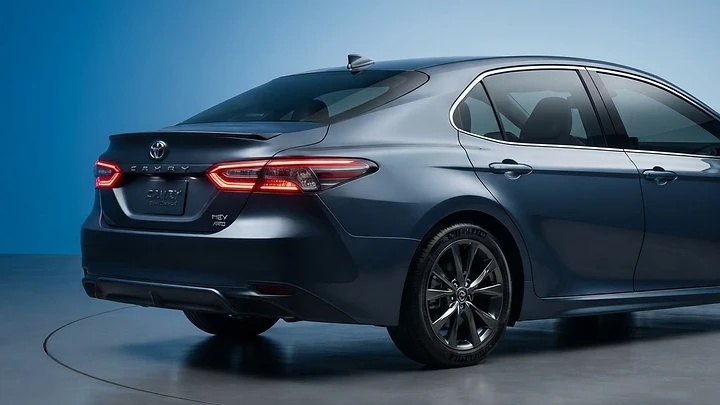 Conversely, some luxury brands and domestic manufacturers are still ironing out the kinks in their newer, more complex plug-in hybrid (PHEV) systems. If you are prioritizing long-term reliability, look for platforms that have been on the market for at least two or three years. Avoid the temptation of the "first model year" of a brand-new hybrid platform, as these often suffer from software glitches and teething issues that are only resolved in subsequent production runs.

Calculating the True Cost of Ownership Beyond the initial sticker price—which is often $1,500 to $3,000 higher than a gas equivalent—you must consider the total cost of ownership.
In 2026, with fuel prices remaining volatile, the break-even point for a hybrid is shorter than ever. If you drive 15,000 miles a year, a vehicle like the 2026 Hyundai Tucson Hybrid can save you hundreds annually at the pump. 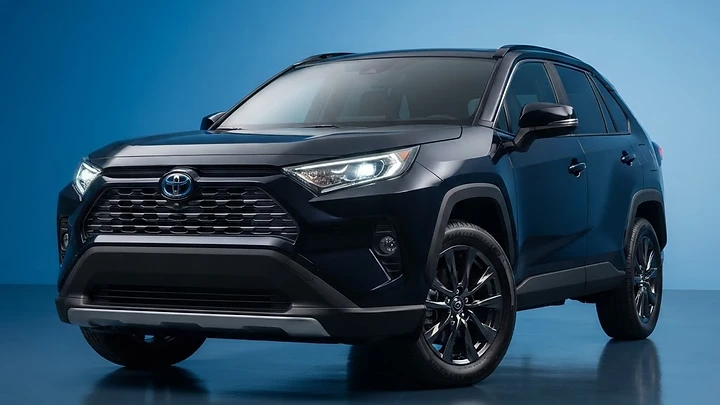 When you factor in the higher resale value of proven hybrid models, the financial argument becomes even more compelling. Used hybrid prices have hit record highs recently, proving that the market recognizes the value of these powertrains. When buying, always pull the service history. A well-maintained hybrid with 80,000 miles is almost always a better investment than a neglected gas car with 40,000 miles.

Frequently Asked Questions
Are hybrid batteries expensive to replace?
While the cost of a replacement battery can be high, it is extremely rare to need one before 150,000 miles on reliable brands like Toyota or Honda. Most manufacturers provide long-term warranties that cover you well into your ownership period. #
Do hybrids require special maintenance?
Not really. They require the same oil changes and tire rotations as gas cars. The only difference is the need to keep the hybrid battery cooling vents clean and ensuring the inverter coolant is serviced according to the manual. #
Is a plug-in hybrid (PHEV) less reliable than a standard hybrid?
Generally, yes. PHEVs are more complex because they include larger battery packs and charging hardware. If you want the absolute highest reliability, a traditional "self-charging" hybrid is the safest bet. 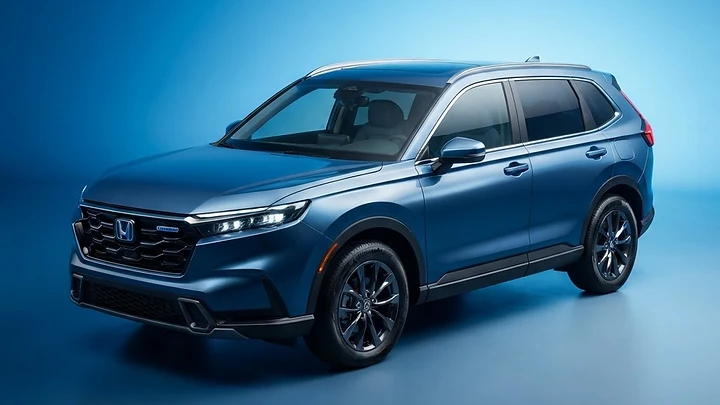

The Bottom Line If you are looking for a vehicle that balances modern efficiency with the peace of mind of long-term reliability, the 2026 hybrid market is your best friend.
Stick to proven platforms from manufacturers with a track record of hybrid success, prioritize a clean service history, and don't be afraid of the mileage. A well-cared-for hybrid is not just a car; it is a reliable partner for your family’s next chapter, offering a blend of engineering brilliance and real-world savings that gas-only vehicles simply cannot match.
The cars in this story
The real price and honest verdict on each one
- 2026 Honda CR-VCompact SUV · from $30,920
- 2026 Toyota CamryMid-Size Sedan · from $28,850
- 2026 Toyota RAV4Compact SUV · from $31,900
- 2026 Hyundai TucsonCompact SUV · from $29,450
More car news

Why Hybrids Are Winning the 2026 Car Market: An Honest Guide
Confused by the shift in the 2026 car market? Discover why hybrids are currently the smartest, most budget-friendly choice for American drivers today.

Hybrid vs Gas: The 2026 Honest Buyer’s Guide to Savings
Is a hybrid worth the extra cost in 2026? We break down the real-world fuel savings, depreciation, and ownership costs to help you make the right choice.

Hybrid vs Plug-in Hybrid: The 2026 Honest Buyer’s Guide
Confused by hybrid options? We break down the real-world costs, reliability, and driving habits to help you choose the right 2026 hybrid for your lifestyle.