Hybrid vs Electric: Which Car Should You Buy in 2026?
Confused by the shift to electrification? We break down the real-world differences between hybrids and EVs to help you choose the right ride for your lifestyle.
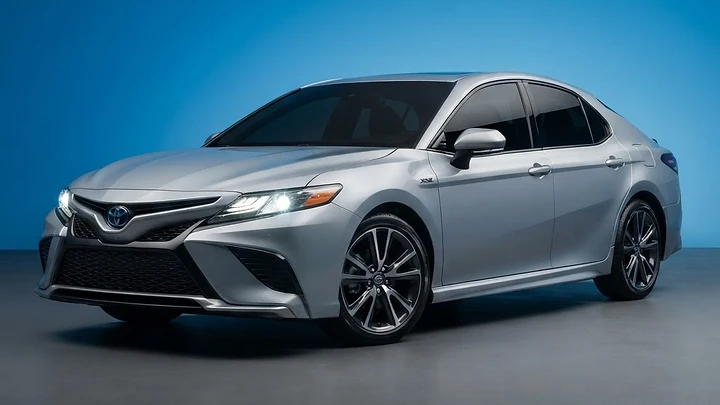
There is a quiet revolution happening on the American road. As you pull away from a stoplight in a 2026 Toyota Camry Hybrid, the seamless transition from electric motor to gasoline engine feels less like a mechanical process and more like a whisper of progress. For many, the dream of owning a vehicle that respects both the environment and the family budget is no longer a distant vision—it is a tangible reality sitting on dealership lots today. Yet, as you stand at the crossroads of the automotive transition, the choice between a traditional hybrid, a plug-in hybrid (PHEV), and a full battery-electric vehicle (BEV) can feel overwhelming. At Carummah, we believe in transparency, not pressure. Let’s cut through the noise and find the powertrain that actually fits your life.
Understanding the Hybrid Spectrum: What Are You Actually Buying?
The term 'electrified' is often used as a catch-all, but the engineering differences are profound. A standard hybrid, like the 2026 Honda CR-V Hybrid, uses a small battery that charges itself through regenerative braking. You never plug it in; you simply drive it like a gas car, but with significantly better fuel economy—often reaching 40 MPG combined. Then there are Plug-in Hybrids (PHEVs), such as the 2026 Mitsubishi Outlander PHEV. These offer a 'best of both worlds' scenario, providing 30 to 50 miles of pure electric range for your daily commute, with a gas engine ready to take over for long road trips. Finally, full EVs, like the Hyundai Ioniq 5, rely entirely on a large battery pack. They offer the lowest long-term maintenance costs but require a shift in how you think about 'refueling.' 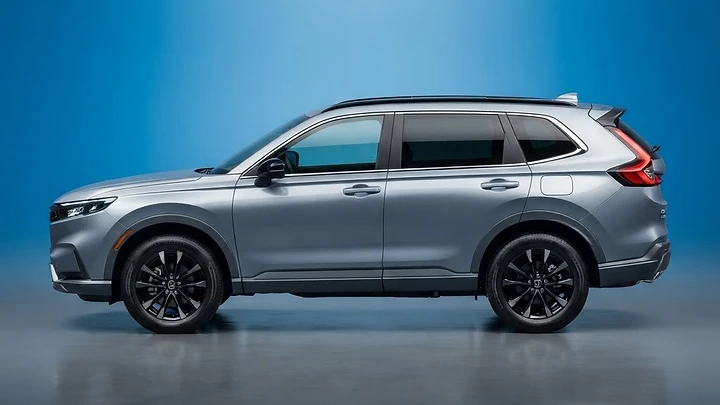
The Real-World Cost of Ownership: Beyond the Sticker Price When you look at the price tag, a gas-only vehicle might seem cheaper upfront.
However, the 2026 market tells a different story when you factor in total cost of ownership. Hybrids often command a premium of $1,500 to $3,000 over their gas counterparts, but that gap is frequently recouped within three to four years through fuel savings alone. EVs have a higher entry price, but they eliminate oil changes, transmission fluid flushes, and spark plug replacements. If you have the ability to install a Level 2 charger at home, the cost per mile for an EV is consistently lower than any combustion-based vehicle. We recommend calculating your annual mileage; if you drive more than 15,000 miles a year, the math heavily favors the efficiency of a hybrid or the low running costs of an EV. 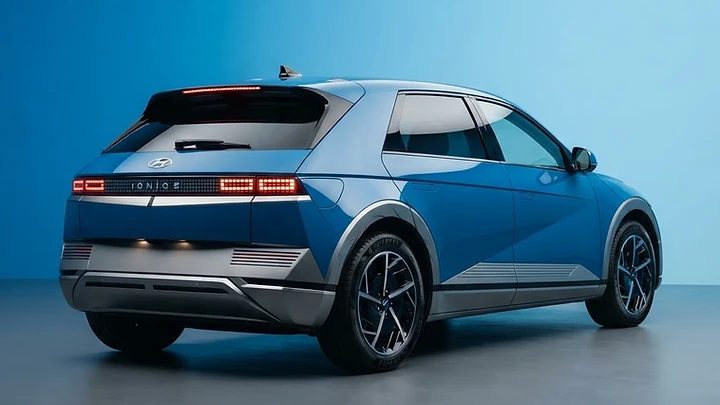

Charging Anxiety vs.
Charging Reality: Is Your Home Ready? The biggest barrier for most buyers isn't the car—it's the infrastructure. If you live in a single-family home with a garage, owning an EV is a dream. You wake up to a 'full tank' every morning. However, if you live in an apartment or rely on street parking, the current public charging network can be a source of frustration. This is where the PHEV shines. It gives you the ability to drive electric when you can charge, and the freedom of a gas station when you can't. Before you commit to a full EV, map out your daily routine. If your commute is under 40 miles and you have a dedicated parking spot, the transition is seamless. If not, a high-efficiency hybrid remains the most stress-free choice for 2026. 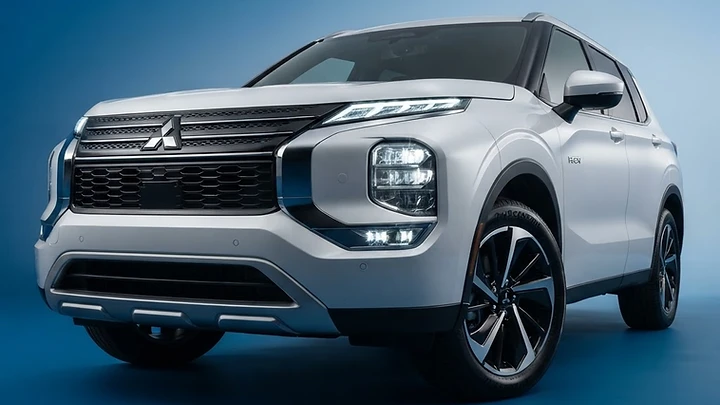

Battery Health and Long-Term Value One of the most common questions we hear is, 'What happens to the battery in five years?' Modern battery management systems are incredibly sophisticated. Most manufacturers now offer 8-year/100,000-mile warranties on hybrid and EV batteries, providing a safety net that protects your investment. Data from 2026 shows that used EVs are holding their value better than early models, thanks to improved chemistry and better thermal management. When buying used, always ask for a battery health report—a simple diagnostic that tells you the current capacity of the pack. It’s a small step that provides massive peace of mind. 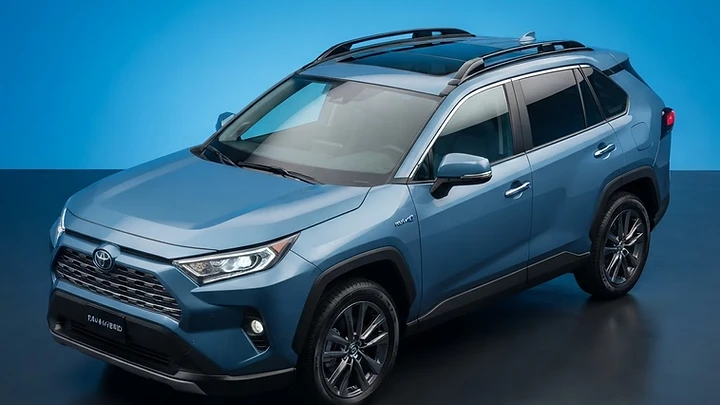

Frequently Asked Questions
Do I need a special charger for a plug-in hybrid?
No. While a Level 2 charger is faster, most PHEVs can charge overnight using a standard 120-volt household outlet. #
Are hybrids really more reliable than gas cars?
Yes, in many cases. Because the electric motor handles the heavy lifting during acceleration, there is less stress on the gasoline engine, and regenerative braking means your brake pads can last twice as long as those on a traditional car. #
Is it worth waiting for better EV technology?
Technology is always evolving, but if you need a car today, the 2026 models are the most capable and reliable we have ever seen. Waiting for the 'perfect' car means missing out on years of fuel savings. #
Can I take a hybrid on a long road trip?
Absolutely. Hybrids and PHEVs are actually the best road-trip vehicles because they offer the efficiency of electric power in the city and the convenience of gas stations on the highway.
The Bottom Line The right choice depends entirely on your 'charging reality.' If you can charge at home, a full EV offers the most rewarding, low-maintenance ownership experience. If you want the benefits of electrification without changing your refueling habits, a traditional hybrid is the gold standard for value. For those who want to dip their toes into electric driving while keeping a safety net, the PHEV is the smartest compromise. Don't let the jargon intimidate you—focus on how you actually use your car, and the right path will become clear.
The cars in this story
The real price and honest verdict on each one
- 2026 Mitsubishi OutlanderCompact SUV · from $29,995
- 2026 Honda CR-VCompact SUV · from $30,920
- 2026 Dodge ChargerSports Car · from $49,995
- 2026 Toyota RAV4Compact SUV · from $31,900
More car news

Hybrid vs Plug-in Hybrid: The 2026 Honest Buyer’s Guide
Confused by hybrid options? We break down the real-world costs, reliability, and driving habits to help you choose the right 2026 hybrid for your lifestyle.

Hybrid vs Gas: The 2026 Honest Buyer’s Guide to Savings
Is a hybrid worth the extra cost in 2026? We break down the real-world fuel savings, depreciation, and ownership costs to help you make the right choice.

Solar-Powered Cars: The 2026 Honest Buyer’s Reality Check
Are solar-powered cars worth the hype in 2026? We break down the reality of solar roofs, charging efficiency, and whether they actually save you money.